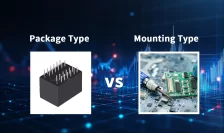
Scopri le principali differenze tra tipo di involucro e tipo di montaggio nei trasformatori LAN. Impara come influiscono sulla progettazione, sulle prestazioni e sulla produzione.
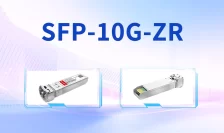
SFP-10G-ZR è un transceiver da 10 Gbps per fibra monomodale, che supporta una portata fino a 80 km a 1550 nm, ideale per connessioni Ethernet 10G a lunga distanza.
Learn how to diagnose and resolve common SFP+ link issues—covering module compatibility, cabling, configuration, diagnostics, and environmental factors.
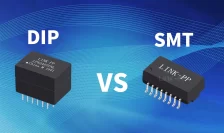
Compare DIP and SMT LAN transformers. Learn how package, mounting, performance, and reliability vary for use in Ethernet, PoE, and industrial applications.
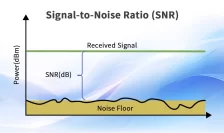
L’SNR, ovvero il rapporto segnale-rumore, misura l’intensità del segnale rispetto al rumore. Un valore elevato di SNR significa audio, immagini e dati più chiari, con una qualità complessiva del segnale migliore.
I transceiver SFP forniscono connessioni di rete flessibili. Scopri i tipi, la compatibilità e i consigli per la scelta che ogni ingegnere di rete deve conoscere.
Scopri i vantaggi dei trasformatori LAN in involucro DIP nei sistemi Ethernet, caratterizzati da elevata immunità alle interferenze elettromagnetiche (EMI), robustezza e design affidabile con montaggio a foro passante.
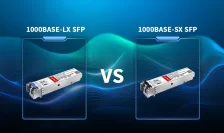
Il trascevitore SFP 1000BASE-LX supporta fino a 10 km su fibra monomodale, mentre il 1000BASE-SX è ideale per collegamenti a corto raggio. Confronta le specifiche, i tipi di fibra e gli scenari di utilizzo.
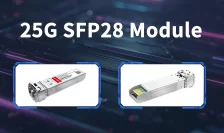
SFP28 è un modulo trasceiver 25G per il trasferimento rapido ed efficiente dei dati nelle reti moderne, offrendo elevata velocità, compatibilità e risparmio energetico.
Esplora i tipi di laser utilizzati nei moduli ottici, confronto tra laser DFB, FP, VCSEL ed EML. Scopri le applicazioni e come scegliere il tipo giusto.
QSFP-DD Optical Transceivers deliver up to 800Gbps speeds, offering high bandwidth, energy efficiency, and compatibility for modern networks and data centers.
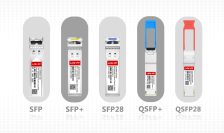
Compare SFP, SFP+, SFP28, QSFP+, and QSFP28 optical transceivers. Learn how form factors affect speed, compatibility, and performance in modern networks.
Informazioni su LINK-PP: Leader globale nei componenti magnetici, offre Connettori RJ45 di alta qualità, Trasformatori LAN e Trasmettitori Ottici per reti affidabili.
In questo blog esploreremo la struttura fondamentale di un trasmettitore/ricevitore ottico, spiegando la funzione di ciascuna parte e come queste collaborano tra loro.
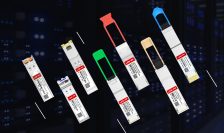
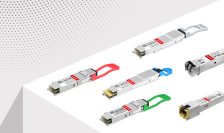
Questo articolo fornisce una guida professionale sui codici colore delle linguette di estrazione dei trasmettitori/ricevitori, suddivisi per lunghezza d’onda — che coprono moduli SFP, SFP+, CWDM e BiDi — e introduce come LINK-
I trasmettitori/ricevitori ottici convertono segnali elettrici in luce, trasmettendo dati attraverso cavi in fibra ottica ad alta velocità, con elevata affidabilità e perdita minima.
Un trasmettitore/ricevitore BiDi utilizza la tecnologia WDM per inviare e ricevere dati su un’unica fibra, riducendo i costi, semplificando le reti e migliorando l’efficienza.
What Frame Check Sequence (FCS) means, how CRC-32 detects corrupted Ethernet frames, and why FCS errors are commonly associated with cable faults, fiber issues, or optical transceiver problems.
Discover how optical cross‑connect (OXC) enables all‑optical switching in DWDM/OTN networks, with LINK‑PP SFP modules ensuring seamless integration and superior performance.
Learn what Dispersion Compensation Fiber (DCF) is, how it reduces chromatic dispersion, where it is used, and why it matters in modern optical networks.
Learn what OEO means in optical communication, how optical-electrical-optical regeneration works, and when it is used in DWDM networks and optical links. Keywords:
Discover the LQ‑SW40‑SR4C 40GBASE‑SR module: high-speed, low-power, QSFP+ optics for multimode fibre networks. Perfect for data centres and network upgrades.
Learn what hyperconverged infrastructure HCI is, how it compares with virtualization and dHCI, and when Nutanix, Sangfor, or SFP-based designs fit best.
Understand SFP+ 40km (10GBASE-ER) modules, including specs, SMF compatibility, and how to choose the right extended-reach optical transceiver for your network.