Differenze tra DAC e AOC: le DAC sono adatte a collegamenti brevi e a basso costo; le AOC eccellono nelle reti a lunga distanza e sensibili alle interferenze elettromagnetiche (EMI). Scegli il cavo giusto per le tue esigenze.
L’RFI (Interferenza da radiofrequenza) è costituita da segnali radio indesiderati che disturbano i dispositivi elettronici, causando problemi di prestazione e di comunicazione.
Il rapporto spire nei trasformatori LAN definisce la relazione tra gli avvolgimenti, generalmente 1:1, garantendo l’integrità del segnale, la stabilità della tensione e la conformità agli standard Ethernet.
SFP vs GBIC: confronta dimensioni, velocità, compatibilità e costo per scegliere il modulo più adatto alla tua rete del 2025. Scopri perché l’SFP è preferito per le nuove installazioni.
Che cosa significa la certificazione RoHS, quali sostanze sono soggette a restrizione e perché la conformità è fondamentale per i produttori e gli importatori di apparecchiature elettroniche.
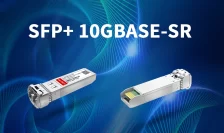
Esplora il transceiver ottico SFP+ LINK-PP LS-MM8510-S3C a 850 nm 10GBASE-SR. Portata fino a 300 m su fibra multimodale (MMF) con basso consumo energetico e piena compatibilità.
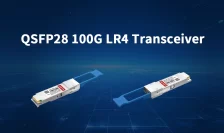
Un transceiver 100G LR4 consente il trasferimento dati a 100 Gbps fino a 10 km utilizzando fibra monomodale, ideale per connessioni di rete ad alta velocità e lunga distanza.
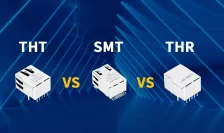
Confronta i metodi di montaggio dei connettori RJ45 THT, SMT e THR per resistenza, velocità, costo e migliore utilizzo nelle applicazioni di rete ed Ethernet.
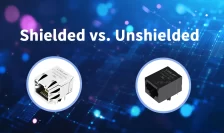
Connettori RJ45 schermati vs. non schermati: confronta protezione, costo e migliori utilizzi per scegliere i connettori RJ45 più adatti al tuo ambiente di rete.
Scopri come Big Data e intelligenza artificiale si integrano a vicenda, guidando analisi più intelligenti, automazione e innovazione nei settori industriali moderni.
La perdita nel bilancio di collegamento misura la riduzione della potenza del segnale nelle reti in fibra ottica, aiutandoti a identificare, gestire e ridurre le perdite per prestazioni di comunicazione affidabili.
Scopri lo standard IEEE 802.3at (PoE+), la sua erogazione di potenza fino a 30 W, le principali applicazioni e i vantaggi. Scopri come i componenti LINK-PP PoE+ RJ45 Magnetics supportano le reti moderne.
NG-PON2 offre Internet in fibra ottica più veloce e affidabile, con maggiore capacità, supportando fino a 256 utenti e velocità fino a 40 Gbit/s per abitazioni e aziende.
10G-EPON fornisce Internet fino a 10 Gbps, larghezza di banda superiore e prestazioni affidabili per abitazioni e aziende che necessitano di connettività in fibra rapida ed efficiente.
XG-PON fornisce Internet in fibra ottica fino a 10 Gbps, supportando un numero maggiore di utenti e velocità più elevate per abitazioni e aziende con connettività broadband affidabile e ad alta capacità.
Scopri cos’è IEEE 802.3an (10GBASE-T), come fornisce 10 GbE su cavi a coppie ritorte, le specifiche principali, i vantaggi e il suo ruolo nelle reti moderne.
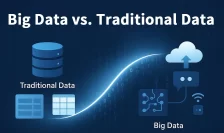
Scopri le differenze tra Big Data e Dati Tradizionali, inclusi scala, velocità, complessità e requisiti infrastrutturali. Scopri come i moduli ottici abilitano i moderni carichi di lavoro Big Data.
XGS-PON fornisce velocità simmetriche su fibra ottica fino a 10 Gbps, consentendo connessioni Internet veloci e affidabili per case e aziende, con aggiornamenti semplici e basso consumo energetico.
What Frame Check Sequence (FCS) means, how CRC-32 detects corrupted Ethernet frames, and why FCS errors are commonly associated with cable faults, fiber issues, or optical transceiver problems.
Discover how optical cross‑connect (OXC) enables all‑optical switching in DWDM/OTN networks, with LINK‑PP SFP modules ensuring seamless integration and superior performance.
Learn what Dispersion Compensation Fiber (DCF) is, how it reduces chromatic dispersion, where it is used, and why it matters in modern optical networks.
Learn what OEO means in optical communication, how optical-electrical-optical regeneration works, and when it is used in DWDM networks and optical links. Keywords:
Discover the LQ‑SW40‑SR4C 40GBASE‑SR module: high-speed, low-power, QSFP+ optics for multimode fibre networks. Perfect for data centres and network upgrades.
Learn what hyperconverged infrastructure HCI is, how it compares with virtualization and dHCI, and when Nutanix, Sangfor, or SFP-based designs fit best.
Understand SFP+ 40km (10GBASE-ER) modules, including specs, SMF compatibility, and how to choose the right extended-reach optical transceiver for your network.