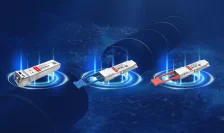
Un processore digitale del segnale (DSP) nei transceiver ottici consente velocità di trasferimento dati elevate, modulazione avanzata e correzione del segnale in tempo reale per collegamenti ad alta velocità affidabili.
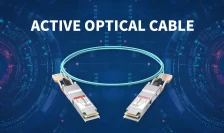
Un cavo ottico attivo utilizza trasceivers integrati per convertire i segnali elettrici in luce, consentendo la trasmissione di dati ad alta velocità e su lunghe distanze con perdite minime.
Il recupero del clock e dei dati sincronizza temporizzazione e dati nelle comunicazioni ad alta velocità, garantendo un trasferimento dati accurato e privo di errori senza un segnale di clock separato.
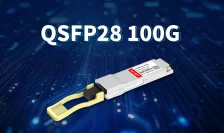
Scopri il transceiver QSFP28 100G SR4 LINK-PP LQ-M85100-SR4C, ideale per collegamenti Ethernet 100G a breve distanza su fibra multimodale (MMF). Compatibile con Cisco, Arista, FS, Dell e altri.
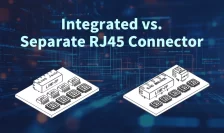
Scopri le differenze tra connettori RJ45 integrati e separati offerti da LINK-PP. Impara come scegliere la soluzione più adatta per le tue applicazioni Ethernet.
CPO contro LPO: confronta le principali differenze, i vantaggi, i risparmi energetici e i casi d’uso più indicati per i data center, per scegliere la tecnologia ottica più adatta alle tue esigenze.
Una rete locale (LAN) collega dispositivi in un’area ristretta, consentendo una condivisione rapida e sicura dei dati e una comunicazione nelle abitazioni, negli uffici e nelle scuole.
I trascevitori ottici consentono il trasferimento dati ad alta velocità e affidabile nei cavi sottomarini, garantendo la connettività globale e soddisfacendo la crescente domanda di larghezza di banda sott’acqua.
I trascevitori LPO riducono il consumo di energia, abbassano la latenza e migliorano l'affidabilità nei data center, rendendoli ideali per collegamenti ottici ad alta velocità ed elevata efficienza energetica.
Un modulo ottico CPO integra componenti ottici ed elettronici per aumentare velocità, efficienza e larghezza di banda del data center, riducendo nel contempo il consumo di energia.
GPON contro EPON: confronta velocità, capacità utente, costo e compatibilità Ethernet per scegliere la migliore rete in fibra per le tue esigenze domestiche o aziendali.
Il GPON fornisce internet ad alta velocità, telefonia e TV tramite cavi in fibra ottica, offrendo una connettività broadband affidabile ed economica per case e aziende.
EPON fornisce internet veloce e affidabile utilizzando cavi in fibra ottica con una progettazione semplice ed economica, rendendolo ideale per le abitazioni e le aziende che cercano un accesso ad alta velocità.
La guida completa sui database tratta concetti fondamentali, tipologie, progettazione e best practice per scegliere, gestire e ottimizzare i moderni sistemi di database.
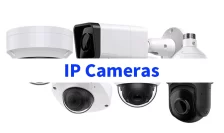
Esplora le telecamere IP, inclusi funzionalità, specifiche tecniche, consigli per l’installazione e integrazione PoE. Impara a scegliere la telecamera IP più adatta e a ottimizzarne le prestazioni con il modello LP5009NL.
Scopri come i trasformatori LAN e le componenti magnetiche integrate sopprimono le interferenze elettromagnetiche (EMI) nei sistemi Ethernet. Consigli pratici per la progettazione, ruolo dei filtri contro le correnti di modo comune e note sui prodotti LINK-PP.
L’applicazione del LPJG0926HENL migliora le reti domestiche, aziendali e per dispositivi intelligenti grazie a connessioni veloci e affidabili e al supporto PoE per l’uso quotidiano.
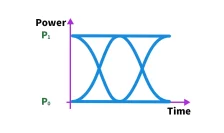
Scopri perché il rapporto di estinzione (ER) è fondamentale nei trascevitori ottici. Comprendi come l’ER influisce sulla sensibilità del ricevitore, sul BER e sulle prestazioni del modulo.
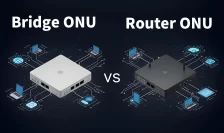
L’ONU in modalità bridge offre un controllo avanzato della rete con il tuo router personale, mentre l’ONU con router integrato garantisce una configurazione semplice della rete in fibra e una gestione integrata per uso domestico.
Scopri come i trasformatori LAN PoE consentono alle telecamere IP di trasmettere dati e ricevere alimentazione tramite Ethernet, garantendo prestazioni stabili, soppressione delle interferenze elettromagnetiche (EMI) e protezione dei dispositivi.
What Frame Check Sequence (FCS) means, how CRC-32 detects corrupted Ethernet frames, and why FCS errors are commonly associated with cable faults, fiber issues, or optical transceiver problems.
Discover how optical cross‑connect (OXC) enables all‑optical switching in DWDM/OTN networks, with LINK‑PP SFP modules ensuring seamless integration and superior performance.
Learn what Dispersion Compensation Fiber (DCF) is, how it reduces chromatic dispersion, where it is used, and why it matters in modern optical networks.
Learn what OEO means in optical communication, how optical-electrical-optical regeneration works, and when it is used in DWDM networks and optical links. Keywords:
Discover the LQ‑SW40‑SR4C 40GBASE‑SR module: high-speed, low-power, QSFP+ optics for multimode fibre networks. Perfect for data centres and network upgrades.
Learn what hyperconverged infrastructure HCI is, how it compares with virtualization and dHCI, and when Nutanix, Sangfor, or SFP-based designs fit best.