La collaborazione tra LINK-PP e Vietnam Telecom nel 2025 potenzia le telecomunicazioni vietnamite con moduli ottici avanzati, migliorando velocità, affidabilità e scalabilità.
CWDM vs DWDM: ottica metropolitana a 8 canali economica vs sistemi a lunga distanza ad alta densità con 96+ canali. Scegli i transceiver ottici LINK-PP per entrambe le soluzioni WDM.
Uno switch è un dispositivo di rete che collega dispositivi in una LAN, inviando i dati solo al dispositivo destinatario per una comunicazione efficiente, sicura e veloce.
Confronta i connettori in fibra PC, UPC e APC per scegliere il tipo più adatto alla tua rete. Comprendi le differenze in termini di perdita di ritorno, perdita di inserzione e applicazioni.
I moduli ottici tunabili DWDM offrono flessibilità, risparmi sui costi e scalabilità regolando dinamicamente le lunghezze d’onda per le moderne reti ottiche.
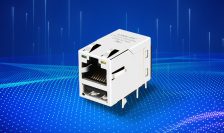
Il connettore Combo RJ45 USB di LINK-PP, LPJU3102ABNL, unisce Ethernet e USB, offrendo robustezza, schermatura EMI e indicatori LED per reti 10/100 Base-T.
CPRI (Common Public Radio Interface) collega le unità di baseband alle unità radio remote, abilitando comunicazioni ad alta velocità e bassa latenza nelle reti wireless.
Un amplificatore ottico a fibra drogata con erbio (EDFA) potenzia i segnali ottici nelle reti in fibra, consentendo comunicazioni su lunghe distanze con perdite minime e alta efficienza.
Comprendi i parametri chiave dei moduli ottici, inclusi la velocità di trasmissione, la distanza, la lunghezza d’onda e la compatibilità con la fibra, per prestazioni di rete migliori.
EMC (Compatibilità elettromagnetica) garantisce che i dispositivi funzionino in modo sicuro e affidabile in ambienti condivisi, riducendo al minimo le interferenze e rispettando gli standard di conformità.
What are SFP ports on a switch? Learn how SFP ports support fiber and Ethernet connections, how they compare with RJ45 and SFP+, and which module you need.
An SGMII SFP transceiver enables fast Ethernet connections over copper or fiber, supporting flexible speeds and device compatibility in modern networks.
Learn what a Fiber Optical Light Source is, how it works, its types, and how to choose the right one for accurate fiber testing and network performance.
Understand what a Digital Communication Analyzer (DCA) is, how it works, and why it is essential for optical module testing, eye diagrams, and signal integrity.
Discover the benefits of copper-based interconnects for data centers. Learn how they reduce costs, improve connectivity, and support network efficiency.
Comprendi le differenze tra SFP 850 nm e 1310 nm in termini di tipo di fibra, distanza, costo e casi d’uso. Scopri quale modulo SFP è adatto alla tua rete.
Guida completa al modulo SFP GLC-SX-MMD 1000BASE-SX: specifiche tecniche, confronto tra MMF e SMF, funzionalità DOM, compatibilità e migliori alternative per un’implementazione conveniente.
Scopri cos’è un modulo SFP da 2,5 Gbps, come funziona e la sua compatibilità con le porte SFP+. Esplora informazioni sulle prestazioni, gli standard e i consigli per l’acquisto.
Scopri lo SFP in rame da 2,5 G (2,5GBASE-T), la compatibilità, il supporto per cavi Cat5e/Cat6, la portata di 100 m e perché rappresenta un ponte tra gli aggiornamenti Ethernet da 1 G e da 10 G.
Scopri come funzionano i transceiver compatibili e come garantire la compatibilità con lo switch. Evita errori SFP, blocchi del fornitore e scegli il modulo giusto con sicurezza.
Scopri cos’è un modulo SFP per fibra multimodale (MMF), come si differenzia dai moduli per fibra monomodale (SMF), come identificarlo e come evitare errori di compatibilità nelle implementazioni reali.
Scopri cos’è lo Small Form-factor Pluggable Plus (SFP+), come funziona, le regole di compatibilità, gli utilizzi più comuni e come scegliere il modulo più adatto.
Scopri come funziona un modulo transceiver SFP 1000BASE-T con cavo in rame di categoria 5, inclusi i limiti di compatibilità, i problemi termici e suggerimenti pratici per il deployment.
Impara lo standard SFP28, comprese le sue capacità 25G, le differenze tra SFP28 e SFP+, le opzioni in fibra e rame, e come scegliere la soluzione 25G più adatta.
Subscribe to LINK-PP
newsletter
Don’t miss anything. Get all the latest posts delivered straight to your inbox.