SFP+ transceiver modules enable high-speed data transfer, seamless communication, and flexible connectivity in data centers, supporting efficient networks.
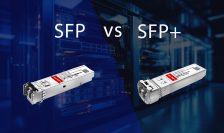
I transceiver SFP e SFP+ differiscono per velocità, compatibilità e utilizzo. SFP supporta fino a 1 Gbps, mentre SFP+ gestisce fino a 10 Gbps per reti più veloci.
I transceiver 100G SFP-DD potenziano le reti ad alta densità con velocità elevate fino a 100 Gbps, design compatto, efficienza energetica e trasmissione dati a lunga distanza fino a 40 km.
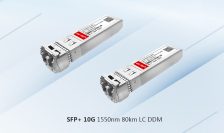
I transceiver SFP+ 10G garantiscono trasferimento dati ad alta velocità, bassa latenza, efficienza energetica e compatibilità con vari dispositivi per configurazioni di rete moderne.
Un modulo ottico converte segnali elettrici in luce per un trasferimento dati rapido e affidabile nelle reti, essenziale per il cloud computing, le telecomunicazioni e i data center.
LINK-PP is expanding with new production lines, strategic partnerships, and innovative RJ45 connectors, driving advancements in global connectivity solutions.
MUX e DEMUX semplificano la trasmissione dei dati combinando e suddividendo i segnali, riducendo il numero di cavi e migliorando l’efficienza e l’affidabilità della rete.
Scopri come gli impulsi ottici trasmettono dati ad alta velocità nelle reti in fibra. Esplora i principi, le applicazioni e il motivo per cui i transceiver ottici LINK-PP generano impulsi più puliti e affidabili.
La virtualizzazione del data center utilizza software per creare server virtuali, archiviazione e reti, migliorando l'efficienza, riducendo i costi e potenziando la flessibilità.
Confronta le funzioni, le perdite di segnale e gli utilizzi ideali dei divisori e degli accoppiatori ottici per scegliere il dispositivo più adatto alla distribuzione efficiente nelle moderne reti.
Una rete gestita dal cloud ti consente di controllare i dispositivi da remoto tramite una dashboard web, offrendo una gestione semplificata, aggiornamenti automatici e una sicurezza avanzata.
Scopri come EtherCAT permette l'automazione industriale ad alta velocità. Impara come EtherCAT raggiunge la sincronizzazione sub-microsecondo, i suoi principi e perché è cruciale per il controllo moderno del movimento e le smart factory.
Scopri come PCS, PMA e PMD operano congiuntamente all'interno della PHY Ethernet, abilitando una trasmissione dati ad alta velocità affidabile su reti in fibra ottica e in rame.
L'open source offre il controllo sul codice software, mentre l'open networking consente di combinare hardware e software provenienti da diversi fornitori per ottenere reti flessibili.
L’open networking consente reti flessibili e indipendenti dal fornitore separando hardware e software, offrendo maggiore controllo, scelta ed efficienza dei costi.
Un divisore ottico in fibra suddivide o combina segnali luminosi nelle reti ottiche, migliorando flusso dati, affidabilità e flessibilità della rete per varie applicazioni.
What Frame Check Sequence (FCS) means, how CRC-32 detects corrupted Ethernet frames, and why FCS errors are commonly associated with cable faults, fiber issues, or optical transceiver problems.
Discover how optical cross‑connect (OXC) enables all‑optical switching in DWDM/OTN networks, with LINK‑PP SFP modules ensuring seamless integration and superior performance.
Learn what Dispersion Compensation Fiber (DCF) is, how it reduces chromatic dispersion, where it is used, and why it matters in modern optical networks.
Learn what OEO means in optical communication, how optical-electrical-optical regeneration works, and when it is used in DWDM networks and optical links. Keywords:
Discover the LQ‑SW40‑SR4C 40GBASE‑SR module: high-speed, low-power, QSFP+ optics for multimode fibre networks. Perfect for data centres and network upgrades.
Learn what hyperconverged infrastructure HCI is, how it compares with virtualization and dHCI, and when Nutanix, Sangfor, or SFP-based designs fit best.
Understand SFP+ 40km (10GBASE-ER) modules, including specs, SMF compatibility, and how to choose the right extended-reach optical transceiver for your network.