What are SFP ports on a switch? Learn how SFP ports support fiber and Ethernet connections, how they compare with RJ45 and SFP+, and which module you need.
What Frame Check Sequence (FCS) means, how CRC-32 detects corrupted Ethernet frames, and why FCS errors are commonly associated with cable faults, fiber issues, or optical transceiver problems.
Discover the LQ‑SW40‑SR4C 40GBASE‑SR module: high-speed, low-power, QSFP+ optics for multimode fibre networks. Perfect for data centres and network upgrades.
What are SFP ports on a switch? Learn how SFP ports support fiber and Ethernet connections, how they compare with RJ45 and SFP+, and which module you need.
What Frame Check Sequence (FCS) means, how CRC-32 detects corrupted Ethernet frames, and why FCS errors are commonly associated with cable faults, fiber issues, or optical transceiver problems.
Discover the LQ‑SW40‑SR4C 40GBASE‑SR module: high-speed, low-power, QSFP+ optics for multimode fibre networks. Perfect for data centres and network upgrades.
Discover how optical cross‑connect (OXC) enables all‑optical switching in DWDM/OTN networks, with LINK‑PP SFP modules ensuring seamless integration and superior performance.
OTU4 vs 100GE: confrontare velocità, affidabilità e scenari per scegliere il protocollo a alta velocità più adatto alle esigenze e al futuro della propria rete.
Esplora le sfide critiche dei contenitori per moduli ottici nell’era 400G/800G: gestione del calore, limiti dei materiali, integrità del segnale e come l’innovazione le affronta.
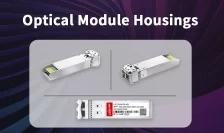
Scopri il ruolo dei contenitori per moduli ottici nei data center e nella rete 5G. Impara quali sono i materiali utilizzati, come le ceramiche e le leghe, le sfide termiche e scopri i trasceiver ottici Link-PP.
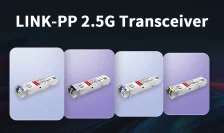
I moduli ottici da 2,5 G aumentano la velocità della rete, semplificano gli aggiornamenti e riducono i costi grazie a un’installazione agevole e a un’ampia compatibilità per le reti moderne.
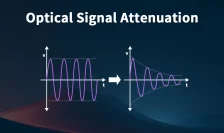
L’attenuazione nei trascevitori ottici indebolisce i segnali. Gestisci le perdite controllando i cavi, pulendo i connettori e utilizzando gli strumenti per fibre ottiche appropriati.
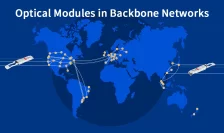
Scopri come i moduli ottici alimentano le reti di backbone: dati ad alta velocità, affidabilità, vantaggi LINK-PP e suggerimenti per l’acquisto destinati a data center e operatori.
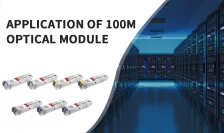
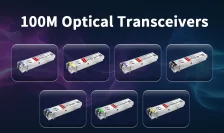
Il modulo ottico da 100 M abilita connessioni veloci e affidabili per uffici, fabbriche, sistemi di sicurezza e reti telecom, supportando un efficiente trasferimento dati su brevi distanze.
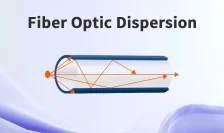
La dispersione nel trascevitore ottico influisce sulla chiarezza del segnale e sull'affidabilità dei dati. Scopri come gestire la dispersione per ottenere prestazioni ottimali della rete.
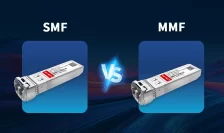
Il transceiver ottico SMF offre collegamenti a lunga distanza e ad alta velocità, mentre il MMF è adatto a collegamenti brevi ed economici. Scegli in base alle esigenze della tua rete.
Scegli il giusto trascevitore ottico da 100 M verificando compatibilità, tipo di fibra, lunghezza d’onda, distanza, velocità dati, connettore e affidabilità.
Scopri cos’è un circuito integrato (IC), come funziona e il suo ruolo nell’elettronica. Impara i diversi tipi di IC, le loro applicazioni e come i prodotti di rete LINK-PP si integrano con gli IC.
Cos’è la SC-FDMA? La SC-FDMA consente un uplink LTE efficiente riducendo il consumo energetico, migliorando la durata della batteria e garantendo segnali mobili stabili.
Esplora i fondamenti delle unità di elaborazione grafica (GPU), le loro specifiche e le applicazioni nei settori del gaming, dell’intelligenza artificiale e del calcolo ad alte prestazioni. Scopri come scegliere la GPU più adatta alle tue esigenze.
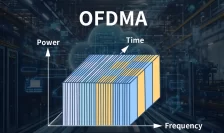
Cosa è l'OFDMA? L'OFDMA consente a più dispositivi di condividere canali Wi-Fi e 5G, aumentando velocità, efficienza e affidabilità nelle reti moderne.
La rete di distribuzione ottica garantisce una FTTH veloce e affidabile collegando i fornitori alle abitazioni mediante fibre passive scalabili, supportando la distribuzione di banda larga ad alta velocità.
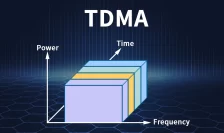
L’Accesso Multiplo a Divisione Temporale consente a più utenti di condividere un singolo canale assegnando slot temporali, garantendo chiamate chiare e trasmissione dati efficiente nelle reti moderne.
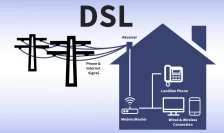
Scopri cos’è la DSL (Digital Subscriber Line), come funziona e le differenze tra ADSL, VDSL e altri tipi. Scopri vantaggi, limitazioni e il futuro della tecnologia DSL nell’accesso a banda larga.
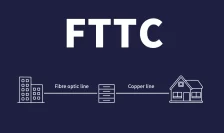
Scopri cos’è la FTTC (Fiber to the Curb), come funziona, i suoi punti di forza e di debolezza e come si confronta con la FTTH e la DSL. Scopri le applicazioni, i requisiti hardware e le tendenze future nell’accesso a banda larga.
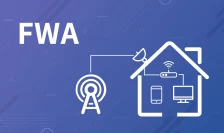
Scopri cos’è la FWA, come fornisce l’accesso a banda larga tramite reti wireless 4G/5G e perché è fondamentale per la connettività. Scopri i suoi vantaggi, le sfide e come i moduli SFP LINK-PP supportano implementazioni FWA affidabili.
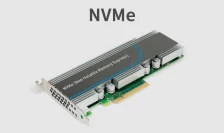
Scopri cosa significa NVMe (Non-Volatile Memory Express), come si confronta con gli SSD SATA e perché offre maggiore velocità, minore latenza e migliore efficienza.
Discover the LQ‑SW40‑SR4C 40GBASE‑SR module: high-speed, low-power, QSFP+ optics for multimode fibre networks. Perfect for data centres and network upgrades.
Learn what hyperconverged infrastructure HCI is, how it compares with virtualization and dHCI, and when Nutanix, Sangfor, or SFP-based designs fit best.
Understand SFP+ 40km (10GBASE-ER) modules, including specs, SMF compatibility, and how to choose the right extended-reach optical transceiver for your network.