What are SFP ports on a switch? Learn how SFP ports support fiber and Ethernet connections, how they compare with RJ45 and SFP+, and which module you need.
What Frame Check Sequence (FCS) means, how CRC-32 detects corrupted Ethernet frames, and why FCS errors are commonly associated with cable faults, fiber issues, or optical transceiver problems.
Discover the LQ‑SW40‑SR4C 40GBASE‑SR module: high-speed, low-power, QSFP+ optics for multimode fibre networks. Perfect for data centres and network upgrades.
Industrial Grade 100G optical transceivers ensure high-speed, reliable data transmission in harsh environments, making them vital for modern network infrastructure.
I codici articolo LINK-PP per connettori RJ45 definiscono la serie, il tipo, lo schema, la progettazione meccanica, i colori LED e la conformità RoHS per una facile identificazione del prodotto.
La tecnologia Through-Hole (THT) prevede l’inserimento dei terminali dei componenti nei fori della scheda a circuito stampato (PCB) e la loro saldatura, garantendo connessioni durevoli per applicazioni ad alta affidabilità.
AON vs PON: confronta le reti ottiche attive e passive. Scopri come l’AON offre larghezza di banda elevata e copertura su lunghe distanze, mentre la PON è un’opzione economica per le reti FTTH.
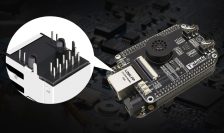
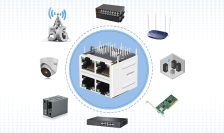
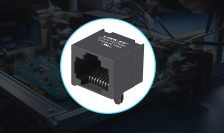
RJ45 connectors are essential for Ethernet networking, enabling stable data transfer in LANs, connecting devices like routers, switches, and supporting high-speed communication.
Discover the types, features, and benefits of PON modules, including OLT, ONU, and ONT devices, transmission protocols, and scalability for fiber networks.
Il connettore RJ45 LPJE101NNL 8P8C offre una connettività Ethernet 10/100 Base-T affidabile, con contatti placcati in oro, design compatto e conformità agli standard IEEE 802.3.
What are SFP ports on a switch? Learn how SFP ports support fiber and Ethernet connections, how they compare with RJ45 and SFP+, and which module you need.
An SGMII SFP transceiver enables fast Ethernet connections over copper or fiber, supporting flexible speeds and device compatibility in modern networks.
La rete basata sull’intento automatizza la gestione della rete, allinea le operazioni con gli obiettivi aziendali e potenzia la sicurezza mediante intelligenza artificiale e analisi dati.
Il Protocollo semplice di gestione della rete (SNMP) consente un monitoraggio e una gestione efficienti dei dispositivi di rete, migliorando visibilità, controllo e sicurezza.
Il sistema di posizionamento globale (GPS) utilizza satelliti per fornire in tempo reale una localizzazione precisa, navigazione e tracciamento per esigenze personali, aziendali e di sicurezza.
Un sistema di gestione della rete monitora, controlla e protegge i dispositivi di rete, fornendo avvisi in tempo reale, automazione e un miglioramento della sicurezza della rete.
Che cos’è il CMOS? Impara i fondamenti della tecnologia Complementary Metal-Oxide-Semiconductor, il suo principio di funzionamento, i principali vantaggi e la sua integrazione con la fotonica al silicio e i trasceivers ottici.
Il Protocollo di messaggi di controllo Internet (ICMP) aiuta a diagnosticare problemi di rete inviando messaggi di errore e di stato tra dispositivi per una comunicazione affidabile.
L’operazione multi-link (MLO) in Wi-Fi consente ai dispositivi di utilizzare contemporaneamente più bande, migliorando velocità, stabilità e prestazioni nelle reti Wi-Fi 7.
Il Protocollo di sincronizzazione dell’ora di rete (NTP) sincronizza gli orologi dei dispositivi attraverso le reti, garantendo un’ora precisa per l’integrità dei dati, la sicurezza e il corretto funzionamento.
Fibre Channel over Ethernet (FCoE) consente al traffico di storage Fibre Channel di viaggiare sulle reti Ethernet, semplificando la connettività del data center e riducendo i costi.
Il Precision Time Protocol sincronizza gli orologi dei dispositivi di rete con un’accuratezza nell’ordine dei microsecondi, riducendo gli errori e migliorando l'affidabilità nelle applicazioni critiche.
Discover the LQ‑SW40‑SR4C 40GBASE‑SR module: high-speed, low-power, QSFP+ optics for multimode fibre networks. Perfect for data centres and network upgrades.
Learn what hyperconverged infrastructure HCI is, how it compares with virtualization and dHCI, and when Nutanix, Sangfor, or SFP-based designs fit best.
Understand SFP+ 40km (10GBASE-ER) modules, including specs, SMF compatibility, and how to choose the right extended-reach optical transceiver for your network.
Subscribe to LINK-PP
newsletter
Don’t miss anything. Get all the latest posts delivered straight to your inbox.