Scopri come funziona la traduzione degli indirizzi di rete (NAT, Network Address Translation), i suoi tipi, i vantaggi, i limiti e le migliori pratiche per le implementazioni IPv6 e aziendali.
Lo splitter FBT offre un modo economico per suddividere i segnali ottici nelle reti in fibra, ideale per configurazioni ridotte che richiedono una distribuzione semplice e personalizzabile del segnale.
L'indirizzo IPv4 utilizza un formato numerico a 32 bit, mentre IPv6 offre indirizzi alfanumerici a 128 bit, maggiore capacità e miglior sicurezza per reti in crescita.
L’ottico riflettometro nel dominio del tempo (OTDR) individua i guasti, misura le perdite di giunzione e garantisce l'affidabilità dei cavi in fibra ottica per una manutenzione efficiente della rete.
Scopri cos’è la FCC, come le parti 15 e 68 della normativa FCC influenzano i dispositivi di rete e come i connettori RJ45 magnetici LINK-PP supportano la conformità FCC in materia di EMI.
Il Tempo Medio Tra Guasti (MTBF) indica per quanto tempo un apparecchio funziona prima di guastarsi, aiutandovi a pianificare la manutenzione e ad aumentare l'affidabilità.
Un indirizzo IPv4 identifica in modo univoco il vostro dispositivo su una rete, consentendo l’accesso a Internet e il trasferimento sicuro di dati tra dispositivi in tutto il mondo.
Scoprite come le prese magnetiche RJ45 garantiscono un'alimentazione stabile, segnali puliti e connessioni di rete affidabili nei telefoni VoIP — con soluzioni RJ45 pronte per PoE LINK-PP.
Scoprite cos’è un connettore RJ45, il suo schema di pinout, i tipi di cablaggio e come supporta reti Ethernet, PoE e Gigabit. Scoprite le soluzioni RJ45 LINK-PP per una connettività affidabile.
OTU4 vs 100GE: confrontare velocità, affidabilità e scenari per scegliere il protocollo a alta velocità più adatto alle esigenze e al futuro della propria rete.
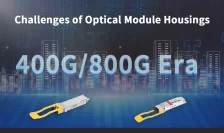
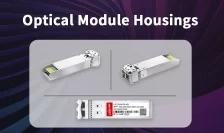
Explore the critical challenges of optical module housings in the 400G/800G era: heat management, material limits, signal integrity, and how innovation tackles them.
Discover the role of optical module housings in data centers & 5G. Learn about materials like ceramics & alloys, thermal challenges, and explore Link-PP's optical transceivers.
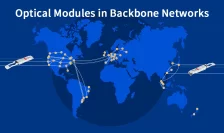
Scopri come i moduli ottici alimentano le reti di backbone: dati ad alta velocità, affidabilità, vantaggi LINK-PP e suggerimenti per l’acquisto destinati a data center e operatori.
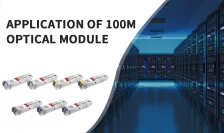
Il modulo ottico da 100 M abilita connessioni veloci e affidabili per uffici, fabbriche, sistemi di sicurezza e reti telecom, supportando un efficiente trasferimento dati su brevi distanze.
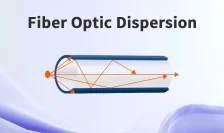
La dispersione nel trascevitore ottico influisce sulla chiarezza del segnale e sull'affidabilità dei dati. Scopri come gestire la dispersione per ottenere prestazioni ottimali della rete.
I moduli ottici da 2,5 G aumentano la velocità della rete, semplificano gli aggiornamenti e riducono i costi grazie a un’installazione agevole e a un’ampia compatibilità per le reti moderne.
L’attenuazione nei trascevitori ottici indebolisce i segnali. Gestisci le perdite controllando i cavi, pulendo i connettori e utilizzando gli strumenti per fibre ottiche appropriati.
What Frame Check Sequence (FCS) means, how CRC-32 detects corrupted Ethernet frames, and why FCS errors are commonly associated with cable faults, fiber issues, or optical transceiver problems.
Discover how optical cross‑connect (OXC) enables all‑optical switching in DWDM/OTN networks, with LINK‑PP SFP modules ensuring seamless integration and superior performance.
Learn what Dispersion Compensation Fiber (DCF) is, how it reduces chromatic dispersion, where it is used, and why it matters in modern optical networks.
Learn what OEO means in optical communication, how optical-electrical-optical regeneration works, and when it is used in DWDM networks and optical links. Keywords:
Learn what a Fiber Optical Light Source is, how it works, its types, and how to choose the right one for accurate fiber testing and network performance.
Discover the LQ‑SW40‑SR4C 40GBASE‑SR module: high-speed, low-power, QSFP+ optics for multimode fibre networks. Perfect for data centres and network upgrades.
Learn what hyperconverged infrastructure HCI is, how it compares with virtualization and dHCI, and when Nutanix, Sangfor, or SFP-based designs fit best.
Understand SFP+ 40km (10GBASE-ER) modules, including specs, SMF compatibility, and how to choose the right extended-reach optical transceiver for your network.