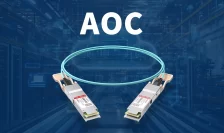
Il cavo ottico attivo offre elevate velocità, basso consumo energetico e connessioni affidabili. Scopri come l’AOC si integra nei data center, negli uffici e nelle configurazioni domestiche.
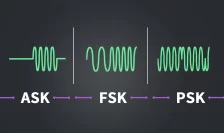
L’ASK è ideale per progetti semplici e a basso costo, mentre la FSK è adatta agli ambienti rumorosi e la PSK offre elevati tassi di trasferimento dati. Confronta qui ASK, FSK e PSK.
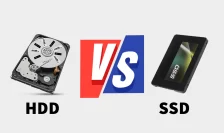
Scopri le differenze tra HDD e SSD in termini di velocità, affidabilità e costo. Scopri quale unità di archiviazione soddisfa le tue esigenze ed esplora le soluzioni di connettività LINK-PP.
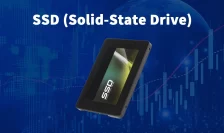
Scopri cos’è un SSD (Solid-State Drive), come funziona, i suoi vantaggi rispetto agli HDD e il suo ruolo nell’informatica moderna e nell’archiviazione aziendale.
Impara cos’è una scheda di interfaccia di rete (NIC), le sue funzioni e i suoi tipi. Scopri come le NIC abilitano la connettività in computer, server e dispositivi di rete.
Scopri cos’è la RAM (memoria ad accesso casuale), come funziona e perché è fondamentale per le prestazioni del sistema. Impara le sue funzioni, i suoi tipi e il suo ruolo nel calcolo moderno.
Scopri cos’è un HDD (Hard Disk Drive), come funziona e il suo ruolo nell’informatica. Impara le sue funzioni, i suoi tipi, i suoi vantaggi e come si confronta con l’archiviazione SSD.
La modulazione FSK trasmette dati digitali modificando la frequenza del segnale per ciascun bit, offrendo una comunicazione affidabile anche in ambienti rumorosi.
La modulazione ASK trasmette dati digitali variando l’ampiezza dell’onda portante, offrendo una soluzione semplice ed economica per sistemi di comunicazione digitale di base.
Questa guida chiarisce le differenze tra i formati di transceiver SFF saldati e 1x9. Scopri le loro specifiche, le applicazioni e come scegliere quello più adatto alla tua rete.
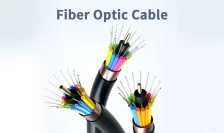
Un cavo in fibra ottica utilizza sottili fibre di vetro o plastica per trasmettere dati sotto forma di impulsi luminosi, consentendo comunicazioni veloci, chiare e affidabili su lunghe distanze.
La trasmissione su lunga distanza utilizza cavi in fibra ottica per inviare dati in modo rapido e sicuro su grandi distanze, collegando città e paesi per una comunicazione veloce.
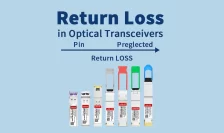
Comprendi la perdita di ritorno ottica nei transceiver, perché è fondamentale per la stabilità della rete e come i moduli LINK-PP offrano elevate prestazioni RL.
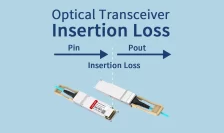
Scopri cos’è la perdita di inserzione del transceiver ottico, come influisce sui budget di collegamento, sul BER e sulla FEC. Include numeri LC/MPO, consigli pratici e approfondimenti LINK-PP.
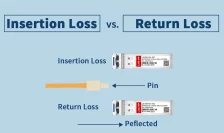
Scopri la differenza tra perdita per inserzione e perdita di ritorno nei transceiver ottici, il loro impatto sulle prestazioni, i metodi di misurazione e le indicazioni sui prodotti LINK-PP.
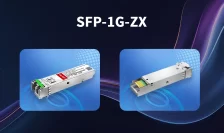
SFP-1G-ZX è un transceiver in fibra che consente la trasmissione dati a 1 Gbps su distanze fino a 80 km, ideale per collegare edifici distanti con collegamenti di rete ad alta velocità e affidabili.
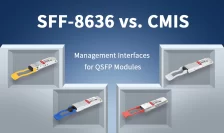
Discover what CMIS is and why it’s vital for managing modern optical modules (QSFP-DD, OSFP, etc.). Learn how LINK-PP’s future-ready modules comply with CMIS .
What Frame Check Sequence (FCS) means, how CRC-32 detects corrupted Ethernet frames, and why FCS errors are commonly associated with cable faults, fiber issues, or optical transceiver problems.
Discover how optical cross‑connect (OXC) enables all‑optical switching in DWDM/OTN networks, with LINK‑PP SFP modules ensuring seamless integration and superior performance.
Learn what Dispersion Compensation Fiber (DCF) is, how it reduces chromatic dispersion, where it is used, and why it matters in modern optical networks.
Learn what OEO means in optical communication, how optical-electrical-optical regeneration works, and when it is used in DWDM networks and optical links. Keywords:
Discover the LQ‑SW40‑SR4C 40GBASE‑SR module: high-speed, low-power, QSFP+ optics for multimode fibre networks. Perfect for data centres and network upgrades.
Learn what hyperconverged infrastructure HCI is, how it compares with virtualization and dHCI, and when Nutanix, Sangfor, or SFP-based designs fit best.
Understand SFP+ 40km (10GBASE-ER) modules, including specs, SMF compatibility, and how to choose the right extended-reach optical transceiver for your network.