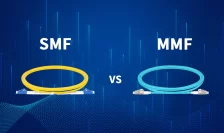
Comprendi la differenza tra i tipi di fibra: la monomodale garantisce lunghe distanze e larghezza di banda elevata, mentre la multimodale è adatta a collegamenti brevi e costi inferiori.
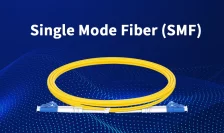
La fibra monomodale utilizza un nucleo piccolo per trasmettere un singolo percorso luminoso, consentendo trasmissioni dati ad alta velocità su lunghe distanze con perdita di segnale minima e bassa dispersione.
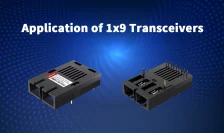
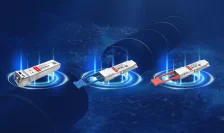
Le applicazioni del modulo ottico 1x9 includono l’automazione industriale, il backhaul telecom e l’aggiornamento di reti legacy per collegamenti dati affidabili ed economici.
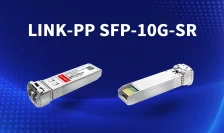
Lo SFP-10G-SR consente connessioni brevi, veloci e affidabili nei data center, nelle reti aziendali e negli ambienti campus, utilizzando fibra multimodale.
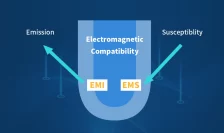
EMC, EMS ed EMI spiegati: comprendere come compatibilità, suscettibilità e interferenza influenzino l'affidabilità del dispositivo, la conformità e le prestazioni elettroniche.
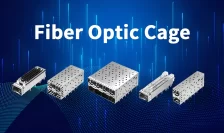
una gabbia per fibra ottica (spesso chiamata gabbia SFP), la sua funzione principale è fornire l’interfaccia fisica ed elettrica necessaria per collegare un trasceviver ottico
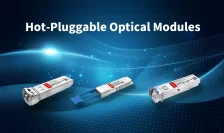
Esplora i moduli ottici hot-pluggable: come funziona lo scambio a caldo, il suo valore ingegneristico, gli standard coinvolti e le considerazioni per la distribuzione.
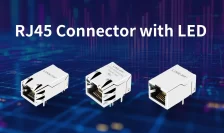
I LED su un connettore RJ45 con LED indicano lo stato del collegamento, la velocità di connessione e l’attività dei dati, aiutando gli utenti a diagnosticare rapidamente i problemi di rete.
L’induttanza a circuito aperto (OCL, Open Circuit Inductance) nei trasformatori Ethernet influisce sull’integrità del segnale e sulla soppressione delle interferenze elettromagnetiche (EMI); un valore OCL più elevato previene la perdita di dati.
PAM4 è un metodo di modulazione dell’ampiezza dell’impulso a quattro livelli che trasmette due bit per simbolo, raddoppiando le velocità dati per reti ad alta velocità.
I trascevitori ottici consentono il trasferimento dati ad alta velocità e affidabile nei cavi sottomarini, garantendo la connettività globale e soddisfacendo la crescente domanda di larghezza di banda sott’acqua.
Comprendi le differenze tra FTTH e FTTB. Scopri come i trasceivers ottici LINK-PP supportano entrambe le architetture di accesso in fibra per una connettività affidabile.
Saldatura a onda vs. saldatura a riflusso: confronta processi, applicazioni, costi e migliori utilizzi per l’assemblaggio di PCB per scegliere il metodo più adatto al tuo progetto.
Esplora approfondimenti dettagliati sulle implementazioni FTTx, inclusi FTTH, FTTB, FTTC e altro ancora. Scopri come i moduli ottici LINK-PP supportano reti in fibra affidabili.
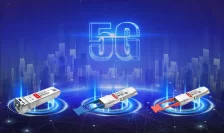
I moduli ottici abilitano reti 5G ad alta velocità e bassa latenza convertendo i segnali per un trasferimento dati rapido e affidabile, supportando una connettività senza interruzioni e la crescita futura.
I collegamenti backhaul 5G connettono le stazioni radio alle reti core, abilitando servizi 5G ad alta velocità e bassa latenza. Un backhaul solido è fondamentale per la crescita dei dati e dei dispositivi nel 2025.
I collegamenti 5G fronthaul uniscono le unità radio e quelle di elaborazione, consentendo il trasferimento di dati ad alta velocità e bassa latenza, essenziale per una comunicazione 5G affidabile ed efficiente.
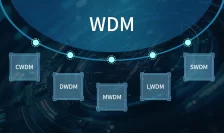
CWDM vs DWDM vs MWDM vs LWDM vs SWDM: confronta spaziatura dei canali, distanza, costo e migliori casi d’uso per scegliere il WDM più adatto alle proprie esigenze di rete.
Esplora le bande di lunghezza d’onda in fibra ottica, l’evoluzione tecnologica e le tendenze. Scopri come i moduli LINK-PP supportano le lunghezze d’onda chiave per una trasmissione dati efficiente.
Il connettore RJ45 con trasformatori migliora le prestazioni degli switch di rete migliorando l’integrità del segnale, riducendo le interferenze elettromagnetiche (EMI) e consentendo un’affidabile erogazione di energia tramite Ethernet (Power over Ethernet).
What Frame Check Sequence (FCS) means, how CRC-32 detects corrupted Ethernet frames, and why FCS errors are commonly associated with cable faults, fiber issues, or optical transceiver problems.
Discover how optical cross‑connect (OXC) enables all‑optical switching in DWDM/OTN networks, with LINK‑PP SFP modules ensuring seamless integration and superior performance.
Learn what Dispersion Compensation Fiber (DCF) is, how it reduces chromatic dispersion, where it is used, and why it matters in modern optical networks.
Learn what OEO means in optical communication, how optical-electrical-optical regeneration works, and when it is used in DWDM networks and optical links. Keywords:
Discover the LQ‑SW40‑SR4C 40GBASE‑SR module: high-speed, low-power, QSFP+ optics for multimode fibre networks. Perfect for data centres and network upgrades.
Learn what hyperconverged infrastructure HCI is, how it compares with virtualization and dHCI, and when Nutanix, Sangfor, or SFP-based designs fit best.
Understand SFP+ 40km (10GBASE-ER) modules, including specs, SMF compatibility, and how to choose the right extended-reach optical transceiver for your network.