L’identificatore di rete VXLAN (VNI) è un ID di segmento univoco a 24 bit che consente la segmentazione e l’isolamento scalabili della rete negli ambienti di grandi dimensioni basati su VXLAN.
Esplora come i connettori RJ45 Magjack abilitano una comunicazione Ethernet robusta tra PLC e host SCADA nell’automazione industriale, garantendo l’integrità del segnale e l’affidabilità del sistema.
Scopri come i moduli ottici migliorano le prestazioni dei sistemi PLC, abilitando comunicazioni ad alta velocità e su lunghe distanze e reti affidabili per l’automazione industriale.
Un PLC – controller logico programmabile – automatizza macchine e processi, offrendo un controllo affidabile e flessibile per sistemi efficienti di automazione industriale.
Esplora cos’è un sistema SCADA (Supervisory Control and Data Acquisition), come funziona e il suo ruolo fondamentale nell’automazione industriale e nelle infrastrutture intelligenti.
Una VLAN segmenta una rete al livello di collegamento dati, migliorando sicurezza, prestazioni e gestione isolando i dispositivi all’interno di gruppi virtuali.
VLAN vs VXLAN: confronta scalabilità, flessibilità e costi per scegliere la migliore soluzione di segmentazione di rete per configurazioni piccole o per ambienti estesi basati sul cloud.
Scopri come i moduli ottici LINK-PP 25G SFP28 potenziano i data center iperscalari con elevata larghezza di banda, bassa latenza ed efficienza energetica. Scopri i principali vantaggi e i casi d’uso.
I moduli ottici LINK-PP offrono elevata larghezza di banda, bassa latenza e affidabilità per carichi di lavoro di intelligenza artificiale, IoT e Big Data in reti scalabili ed energeticamente efficienti.
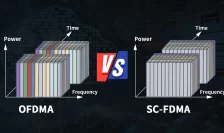
OFDMA vs SC-FDMA: confronta i loro ruoli nell’LTE/5G, l’impatto sulla velocità di download, sulla durata della batteria e il motivo per cui le reti utilizzano l’OFDMA per il downlink e la SC-FDMA per l’uplink.
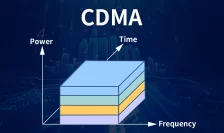
L’accesso multiplo a divisione di codice consente a più utenti di condividere la stessa banda di frequenza utilizzando codici univoci, garantendo comunicazioni wireless sicure e chiare.
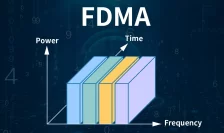
L’accesso multiplo a divisione di frequenza assegna a ciascun utente una banda di frequenza univoca, consentendo comunicazioni chiare e simultanee su telefoni, radio e satelliti.
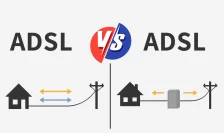
Confronta le connessioni broadband ADSL e VDSL. Scopri le differenze fondamentali in termini di velocità, prestazioni e applicazioni per scegliere la tecnologia DSL più adatta alle tue esigenze.
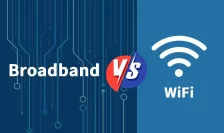
Il broadband è il servizio internet in sé, mentre il WiFi è la tecnologia wireless che lo distribuisce. Scopri le loro differenze e come i transceiver ottici LINK-PP migliorano le prestazioni del broadband.
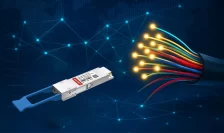
Scopri come i transceiver ottici alimentano le reti broadband abilitando trasmissioni dati su fibra ad alta velocità, bassa latenza e infrastrutture scalabili con le soluzioni LINK-PP.
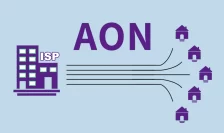
Le reti ottiche attive forniscono linee in fibra dedicate e apparecchiature alimentate per connessioni internet private, affidabili e ad alta velocità.
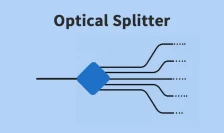
spiega come i divisori ottici abilitano la FTTH, i loro tipi (FBT vs. PLC), i principali rapporti di suddivisione e come si integrano con i moduli ottici LINK-PP per una rete senza interruzioni.
Confronta le tecnologie per l’accesso a banda larga FTTH e FWA. Scopri le differenze in termini di velocità, costo, modalità di implementazione e casi d’uso. Scopri come i moduli SFP LINK-PP supportano entrambe le reti.
Le reti ottiche passive utilizzano fibre ottiche e splitter non alimentati per fornire Internet veloce e affidabile dai provider a più utenti in modo efficiente.
What Frame Check Sequence (FCS) means, how CRC-32 detects corrupted Ethernet frames, and why FCS errors are commonly associated with cable faults, fiber issues, or optical transceiver problems.
Discover how optical cross‑connect (OXC) enables all‑optical switching in DWDM/OTN networks, with LINK‑PP SFP modules ensuring seamless integration and superior performance.
Learn what Dispersion Compensation Fiber (DCF) is, how it reduces chromatic dispersion, where it is used, and why it matters in modern optical networks.
Learn what OEO means in optical communication, how optical-electrical-optical regeneration works, and when it is used in DWDM networks and optical links. Keywords:
Discover the LQ‑SW40‑SR4C 40GBASE‑SR module: high-speed, low-power, QSFP+ optics for multimode fibre networks. Perfect for data centres and network upgrades.
Learn what hyperconverged infrastructure HCI is, how it compares with virtualization and dHCI, and when Nutanix, Sangfor, or SFP-based designs fit best.
Understand SFP+ 40km (10GBASE-ER) modules, including specs, SMF compatibility, and how to choose the right extended-reach optical transceiver for your network.