Scopri la differenza tra MTTR e MTBF, come influiscono sull'affidabilità del sistema e come i connettori industriali LINK-PP e i moduli SFP/SFP+ aiutano a migliorare la disponibilità della rete.
Un convertitore di lunghezza d’onda nel 2025 trasforma rapidamente la lunghezza d’onda della luce, consentendo calcoli precisi di frequenza, energia e numero d’onda per i dispositivi.
Scoprire MTBF (Mean Time Between Failures), la sua importanza per la affidabilità dei sistemi, e come i connettori LINK-PP industriali e i moduli SFP/SFP+ aiutano a massimizzare l'uptime.
Learn how industrial IPCs use LINK-PP SFP/SFP+ cages to build high-speed, EMI-protected fiber uplinks for PLCs and edge networks. Ideal for Industry 4.0 and smart factories.
Apprendere cosa significa MTTR (Mean Time to Repair), perché è importante per la affidabilità dei sistemi, e come i transceiver SFP/SFP+ caldamente scambiabili di LINK-PP riducono il tempo di riparazione.
Le reti ottiche garantiscono elevata velocità, sicurezza e scalabilità per le distribuzioni cloud private e ibride, assicurando una connettività dati affidabile ed efficiente.
Un guida chiara e professionale al IIoT (Industrial Internet of Things), coprendo l'architettura, i protocolli, le pratiche migliori per la sicurezza e gli elementi di rete adatti per le applicazioni industriali.
Ottimizza le fabric AI con transceiver ottici avanzati per una comunicazione più rapida e affidabile tra GPU, maggiore efficienza e prestazioni scalabili.
L'integrità del segnale e la bassa latenza nei trasmettitori dei data center assicurano una trasmissione dati affidabile, priva di errori e un'ottima performance per applicazioni in tempo reale.
I trasceivers ottici green riducono il consumo energetico e gli sprechi, contribuendo a ridurre i costi e l’impatto ambientale del tuo data center sostenibile.
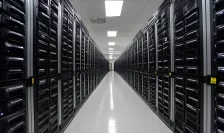
Scopri cos’è un data center, come funziona, i suoi principali tipi e le tendenze future. Impara perché i data center alimentano oggi il cloud, l’intelligenza artificiale e i servizi digitali.
Le reti ottiche passive utilizzano fibre ottiche e splitter non alimentati per fornire Internet veloce e affidabile dai provider a più utenti in modo efficiente.
ONU vs ONT spiegato: comprendi le differenze chiave, i ruoli e quale dispositivo soddisfa al meglio le tue esigenze di connettività in fibra ottica, sia per uso domestico che per edifici condivisi.
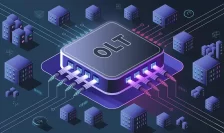
Cos’è l’Optical Line Terminal (OLT)? L’OLT è il dispositivo principale nelle reti in fibra, che converte i segnali e gestisce i dati per connessioni Internet veloci e stabili.
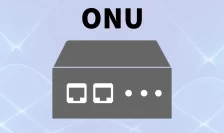
Cos'è Optical Network Unit (ONU)? Un ONU converte i segnali in fibra ottica per i vostri dispositivi, garantendo internet veloce e stabile sia a casa che in ufficio.
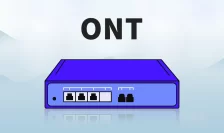
Un ONT collega la tua casa a Internet in fibra ottica convertendo i segnali luminosi in dati digitali per i tuoi dispositivi, consentendo un servizio veloce e affidabile.
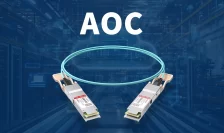
Il cavo ottico attivo offre elevate velocità, basso consumo energetico e connessioni affidabili. Scopri come l’AOC si integra nei data center, negli uffici e nelle configurazioni domestiche.
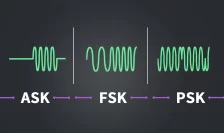
L’ASK è ideale per progetti semplici e a basso costo, mentre la FSK è adatta agli ambienti rumorosi e la PSK offre elevati tassi di trasferimento dati. Confronta qui ASK, FSK e PSK.
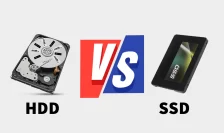
Scopri le differenze tra HDD e SSD in termini di velocità, affidabilità e costo. Scopri quale unità di archiviazione soddisfa le tue esigenze ed esplora le soluzioni di connettività LINK-PP.
Questa guida chiarisce le differenze tra i formati di transceiver SFF saldati e 1x9. Scopri le loro specifiche, le applicazioni e come scegliere quello più adatto alla tua rete.
What Frame Check Sequence (FCS) means, how CRC-32 detects corrupted Ethernet frames, and why FCS errors are commonly associated with cable faults, fiber issues, or optical transceiver problems.
Discover how optical cross‑connect (OXC) enables all‑optical switching in DWDM/OTN networks, with LINK‑PP SFP modules ensuring seamless integration and superior performance.
Learn what Dispersion Compensation Fiber (DCF) is, how it reduces chromatic dispersion, where it is used, and why it matters in modern optical networks.
Learn what OEO means in optical communication, how optical-electrical-optical regeneration works, and when it is used in DWDM networks and optical links. Keywords:
Discover the LQ‑SW40‑SR4C 40GBASE‑SR module: high-speed, low-power, QSFP+ optics for multimode fibre networks. Perfect for data centres and network upgrades.
Learn what hyperconverged infrastructure HCI is, how it compares with virtualization and dHCI, and when Nutanix, Sangfor, or SFP-based designs fit best.
Understand SFP+ 40km (10GBASE-ER) modules, including specs, SMF compatibility, and how to choose the right extended-reach optical transceiver for your network.