I moduli ottici potenziano la tecnologia AI abilitando trasferimenti dati ad alta velocità, riducendo la latenza e migliorando l’efficienza energetica nei moderni sistemi AI.
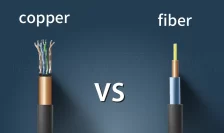
Il cavo in fibra ottica offre velocità superiori, distanze maggiori e maggiore affidabilità rispetto al cavo in rame, rendendolo ideale per internet e reti ad alte prestazioni.
Uno switch è un dispositivo di rete che collega dispositivi in una LAN, inviando i dati solo al dispositivo destinatario per una comunicazione efficiente, sicura e veloce.
I moduli ottici tunabili DWDM offrono flessibilità, risparmi sui costi e scalabilità regolando dinamicamente le lunghezze d’onda per le moderne reti ottiche.
CPRI (Common Public Radio Interface) collega le unità di baseband alle unità radio remote, abilitando comunicazioni ad alta velocità e bassa latenza nelle reti wireless.
EMC (Compatibilità elettromagnetica) garantisce che i dispositivi funzionino in modo sicuro e affidabile in ambienti condivisi, riducendo al minimo le interferenze e rispettando gli standard di conformità.
Comprendi i parametri chiave dei moduli ottici, inclusi la velocità di trasmissione, la distanza, la lunghezza d’onda e la compatibilità con la fibra, per prestazioni di rete migliori.
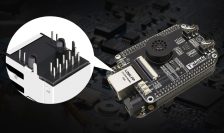
La tecnologia Through-Hole (THT) prevede l’inserimento dei terminali dei componenti nei fori della scheda a circuito stampato (PCB) e la loro saldatura, garantendo connessioni durevoli per applicazioni ad alta affidabilità.
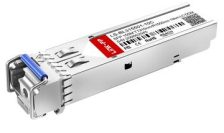
Un modulo ottico converte segnali elettrici in luce per un trasferimento dati rapido e affidabile nelle reti, essenziale per il cloud computing, le telecomunicazioni e i data center.
Comprendi il ruolo essenziale del ROADM nelle reti cloud, che consente flessibilità, efficienza, sicurezza e scalabilità per l'infrastruttura cloud moderna.
10G PON offre velocità fino a 10 Gbps utilizzando avanzate fibre ottiche, garantendo internet affidabile e ad alta velocità per case, aziende e applicazioni moderne.
What Frame Check Sequence (FCS) means, how CRC-32 detects corrupted Ethernet frames, and why FCS errors are commonly associated with cable faults, fiber issues, or optical transceiver problems.
Learn what Dispersion Compensation Fiber (DCF) is, how it reduces chromatic dispersion, where it is used, and why it matters in modern optical networks.
Learn what a Fiber Optical Light Source is, how it works, its types, and how to choose the right one for accurate fiber testing and network performance.
Understand what a Digital Communication Analyzer (DCA) is, how it works, and why it is essential for optical module testing, eye diagrams, and signal integrity.
Discover the LQ‑SW40‑SR4C 40GBASE‑SR module: high-speed, low-power, QSFP+ optics for multimode fibre networks. Perfect for data centres and network upgrades.
Learn what hyperconverged infrastructure HCI is, how it compares with virtualization and dHCI, and when Nutanix, Sangfor, or SFP-based designs fit best.
Understand SFP+ 40km (10GBASE-ER) modules, including specs, SMF compatibility, and how to choose the right extended-reach optical transceiver for your network.
Comprendi le differenze tra SFP 850 nm e 1310 nm in termini di tipo di fibra, distanza, costo e casi d’uso. Scopri quale modulo SFP è adatto alla tua rete.
Subscribe to LINK-PP
newsletter
Don’t miss anything. Get all the latest posts delivered straight to your inbox.