Il broadband è il servizio internet in sé, mentre il WiFi è la tecnologia wireless che lo distribuisce. Scopri le loro differenze e come i transceiver ottici LINK-PP migliorano le prestazioni del broadband.
Scopri come i transceiver ottici alimentano le reti broadband abilitando trasmissioni dati su fibra ad alta velocità, bassa latenza e infrastrutture scalabili con le soluzioni LINK-PP.
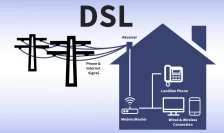
Scopri cos’è la DSL (Digital Subscriber Line), come funziona e le differenze tra ADSL, VDSL e altri tipi. Scopri vantaggi, limitazioni e il futuro della tecnologia DSL nell’accesso a banda larga.
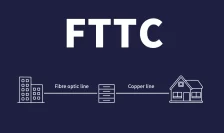
Scopri cos’è la FTTC (Fiber to the Curb), come funziona, i suoi punti di forza e di debolezza e come si confronta con la FTTH e la DSL. Scopri le applicazioni, i requisiti hardware e le tendenze future nell’accesso a banda larga.
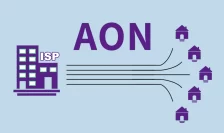
Le reti ottiche attive forniscono linee in fibra dedicate e apparecchiature alimentate per connessioni internet private, affidabili e ad alta velocità.
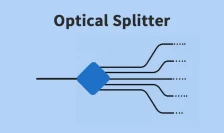
spiega come i divisori ottici abilitano la FTTH, i loro tipi (FBT vs. PLC), i principali rapporti di suddivisione e come si integrano con i moduli ottici LINK-PP per una rete senza interruzioni.
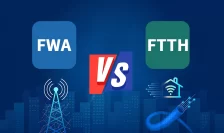
Confronta le tecnologie per l’accesso a banda larga FTTH e FWA. Scopri le differenze in termini di velocità, costo, modalità di implementazione e casi d’uso. Scopri come i moduli SFP LINK-PP supportano entrambe le reti.
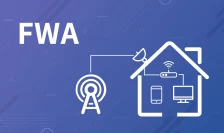
Scopri cos’è la FWA, come fornisce l’accesso a banda larga tramite reti wireless 4G/5G e perché è fondamentale per la connettività. Scopri i suoi vantaggi, le sfide e come i moduli SFP LINK-PP supportano implementazioni FWA affidabili.
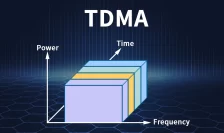
L’Accesso Multiplo a Divisione Temporale consente a più utenti di condividere un singolo canale assegnando slot temporali, garantendo chiamate chiare e trasmissione dati efficiente nelle reti moderne.
Explore the differences between HDD, SSD, and NVMe drives. Learn about speed, cost, and best use cases, and see how LINK-PP connectivity solutions support storage systems.
Looking for 1310nm optical transceivers? Learn key buying tips, explore LINK-PP’s SFP, SFP28, and QSFP28 modules, and get reliable performance with warranty coverage.
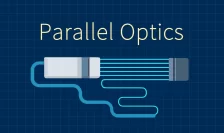
Learn what Parallel Optics is, how it enables high-speed data transmission and how LINK-PP QSFP28 SR4 and 200/400/800G transceiver modules support this technology.
What Frame Check Sequence (FCS) means, how CRC-32 detects corrupted Ethernet frames, and why FCS errors are commonly associated with cable faults, fiber issues, or optical transceiver problems.
Discover how optical cross‑connect (OXC) enables all‑optical switching in DWDM/OTN networks, with LINK‑PP SFP modules ensuring seamless integration and superior performance.
Learn what Dispersion Compensation Fiber (DCF) is, how it reduces chromatic dispersion, where it is used, and why it matters in modern optical networks.
Learn what OEO means in optical communication, how optical-electrical-optical regeneration works, and when it is used in DWDM networks and optical links. Keywords:
Discover the LQ‑SW40‑SR4C 40GBASE‑SR module: high-speed, low-power, QSFP+ optics for multimode fibre networks. Perfect for data centres and network upgrades.
Learn what hyperconverged infrastructure HCI is, how it compares with virtualization and dHCI, and when Nutanix, Sangfor, or SFP-based designs fit best.
Understand SFP+ 40km (10GBASE-ER) modules, including specs, SMF compatibility, and how to choose the right extended-reach optical transceiver for your network.