Comprendi la differenza tra i tipi di fibra: la monomodale garantisce lunghe distanze e larghezza di banda elevata, mentre la multimodale è adatta a collegamenti brevi e costi inferiori.
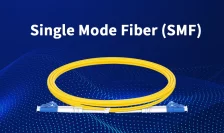
La fibra monomodale utilizza un nucleo piccolo per trasmettere un singolo percorso luminoso, consentendo trasmissioni dati ad alta velocità su lunghe distanze con perdita di segnale minima e bassa dispersione.
Le applicazioni del modulo ottico 1x9 includono l’automazione industriale, il backhaul telecom e l’aggiornamento di reti legacy per collegamenti dati affidabili ed economici.
Lo SFP-10G-SR consente connessioni brevi, veloci e affidabili nei data center, nelle reti aziendali e negli ambienti campus, utilizzando fibra multimodale.
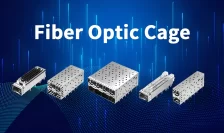
una gabbia per fibra ottica (spesso chiamata gabbia SFP), la sua funzione principale è fornire l’interfaccia fisica ed elettrica necessaria per collegare un trasceviver ottico
Esplora i moduli ottici hot-pluggable: come funziona lo scambio a caldo, il suo valore ingegneristico, gli standard coinvolti e le considerazioni per la distribuzione.
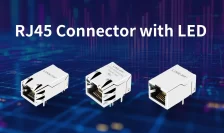
I LED su un connettore RJ45 con LED indicano lo stato del collegamento, la velocità di connessione e l’attività dei dati, aiutando gli utenti a diagnosticare rapidamente i problemi di rete.
L’induttanza a circuito aperto (OCL, Open Circuit Inductance) nei trasformatori Ethernet influisce sull’integrità del segnale e sulla soppressione delle interferenze elettromagnetiche (EMI); un valore OCL più elevato previene la perdita di dati.
PAM4 è un metodo di modulazione dell’ampiezza dell’impulso a quattro livelli che trasmette due bit per simbolo, raddoppiando le velocità dati per reti ad alta velocità.
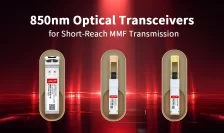
I moduli ottici a 850 nm 10GBASE-SR, 40GBASE-SR4, 100GBASE-SR4 e 400GBASE-SR8 rappresentano la scelta più affidabile ed economica per le connessioni su fibra multimodale a breve distanza.
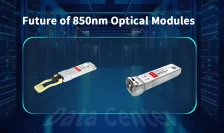
Esplora il futuro dei moduli ottici a 850 nm nei data center, con particolare attenzione ai progressi relativi a SR8/SR16, all’ottica parallela e all’impatto dell’adozione della fibra monomodale.
Il transceiver SFP28-25G-SR fornisce velocità di 25 Gbps, connettività in fibra a corto raggio e prestazioni affidabili per data center e reti aziendali.
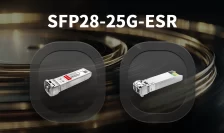
SFP28-25G-ESR è un transceiver ottico da 25 G che offre una trasmissione dati rapida e affidabile, con portata estesa per le moderne infrastrutture di rete.
Scopri perché l’EEPROM è essenziale per l’identificazione del modulo, il monitoraggio e la compatibilità, e come i moduli SFP/QSFP di LINK-PP rispettano gli standard SFF-8472 e SFF-8024.
Scopri cos’è lo standard SFF-8636, perché è fondamentale per le ottiche QSFP/QSFP28 e come la sua interfaccia di gestione a 2 fili, la mappa di memoria, le classi di potenza e gli allarmi ne garantiscono l’interoperabilità.
Convertire la fibra ottica tra multimodale e monomodale utilizzando metodi intelligenti per ottenere maggiore velocità, distanza maggiore e prestazioni di rete affidabili.
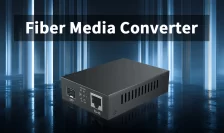
I convertitori di supporti collegano cavi in rame e in fibra ottica, convertendo i segnali per estendere la portata della rete e supportare dispositivi obsoleti.
Comprendere come lo standard SFF-8024 garantisce un’identificazione accurata dei moduli, l’interoperabilità e la scalabilità per i moduli ottici SFP, SFP+, QSFP, OSFP e per le generazioni successive.
What Frame Check Sequence (FCS) means, how CRC-32 detects corrupted Ethernet frames, and why FCS errors are commonly associated with cable faults, fiber issues, or optical transceiver problems.
Discover how optical cross‑connect (OXC) enables all‑optical switching in DWDM/OTN networks, with LINK‑PP SFP modules ensuring seamless integration and superior performance.
Learn what Dispersion Compensation Fiber (DCF) is, how it reduces chromatic dispersion, where it is used, and why it matters in modern optical networks.
Learn what OEO means in optical communication, how optical-electrical-optical regeneration works, and when it is used in DWDM networks and optical links. Keywords:
Learn what a Fiber Optical Light Source is, how it works, its types, and how to choose the right one for accurate fiber testing and network performance.
Discover the LQ‑SW40‑SR4C 40GBASE‑SR module: high-speed, low-power, QSFP+ optics for multimode fibre networks. Perfect for data centres and network upgrades.
Learn what hyperconverged infrastructure HCI is, how it compares with virtualization and dHCI, and when Nutanix, Sangfor, or SFP-based designs fit best.
Understand SFP+ 40km (10GBASE-ER) modules, including specs, SMF compatibility, and how to choose the right extended-reach optical transceiver for your network.