I collegamenti 5G fronthaul uniscono le unità radio e quelle di elaborazione, consentendo il trasferimento di dati ad alta velocità e bassa latenza, essenziale per una comunicazione 5G affidabile ed efficiente.
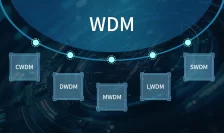
CWDM vs DWDM vs MWDM vs LWDM vs SWDM: confronta spaziatura dei canali, distanza, costo e migliori casi d’uso per scegliere il WDM più adatto alle proprie esigenze di rete.
Cos’è il DWDM? La multiplazione a divisione di lunghezza d’onda densa (DWDM) consente a più canali dati di viaggiare su una singola fibra ottica, aumentando larghezza di banda ed efficienza nelle reti ottiche.
Esplora le bande di lunghezza d’onda in fibra ottica, l’evoluzione tecnologica e le tendenze. Scopri come i moduli LINK-PP supportano le lunghezze d’onda chiave per una trasmissione dati efficiente.
Il connettore RJ45 con trasformatori migliora le prestazioni degli switch di rete migliorando l’integrità del segnale, riducendo le interferenze elettromagnetiche (EMI) e consentendo un’affidabile erogazione di energia tramite Ethernet (Power over Ethernet).
Scopri come la perdita di ritorno influisce sulle prestazioni del connettore RJ45 MagJack nelle applicazioni Ethernet. Esplora esempi reali dai connettori LINK-PP RJ45 da 10/100 Mbps a 10G.
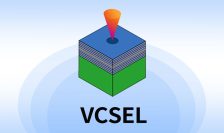
La tecnologia VCSEL abilita comunicazioni dati ad alta velocità, rilevamento 3D, LiDAR e imaging medico grazie a soluzioni laser efficienti e compatte.
Cos’è lo SWDM? Lo SWDM è una tecnologia per fibre ottiche che utilizza quattro brevi lunghezze d’onda per aumentare le velocità di trasferimento dati e l’efficienza nelle reti su fibra multimodale.
La protezione ESD per l’elettronica è semplificata con la fabbrica intelligente LINK-PP, che offre robuste protezioni negli ottici Ms, negli RJ45, nei trasformatori e nelle gabbie per fibre ottiche.
Cos’è LWDM? LWDM è una tecnologia WDM per LAN che utilizza più lunghezze d’onda per aumentare larghezza di banda ed efficienza nelle reti locali e nei data center.
Ovvero SFP+: confronta i moduli ottici, i cavi e gli attacchi diretti, le loro caratteristiche, le distanze e la compatibilità per ottenere il miglior rendimento nel network.
Cos'è il QSFP-DD? Il QSFP-DD consente un Ethernet a alta velocità con densità doppia, compatibilità bidirezionale e fino a 800G di larghezza di banda per i centri dati moderni.
Comprendere il polarezza nei sistemi MTP/MPO garantisce il flusso corretto dei segnali, evita errori di dati e mantiene un'efficienza di rete affidabile.
Le soluzioni cloud avanzate migliorano la scalabilità, la sicurezza e l’efficienza dei costi del data center per operazioni flessibili, affidabili e pronte per il futuro.
Scopri cosa sono gli switch EoR (End-of-Row), come funziona l'architettura, i loro vantaggi e svantaggi, le differenze tra EoR e ToR, le migliori pratiche di implementazione e i moduli ottici consigliati.
Scopri cosa è uno switch MoR (Middle-of-Rack), come lo MoR si confronta con ToR/EoR, e quali moduli SFP+/SFP28/QSFP funzionano meglio — una guida pratica per la progettazione dei data center.
WLAN comprende tutte le reti locali wireless, mentre Wi-Fi è un tipo specifico di WLAN che utilizza standard definiti per connessioni veloci e affidabili.
HTTP vs HTTPS: HTTPS crittografa i dati per una trasmissione sicura, mentre HTTP lascia le informazioni esposte. Scegli HTTPS per privacy, fiducia e conformità.
Scopri come gli impulsi ottici trasmettono dati ad alta velocità nelle reti in fibra. Esplora i principi, le applicazioni e il motivo per cui i transceiver ottici LINK-PP generano impulsi più puliti e affidabili.
What Frame Check Sequence (FCS) means, how CRC-32 detects corrupted Ethernet frames, and why FCS errors are commonly associated with cable faults, fiber issues, or optical transceiver problems.
Learn what Dispersion Compensation Fiber (DCF) is, how it reduces chromatic dispersion, where it is used, and why it matters in modern optical networks.
Learn what a Fiber Optical Light Source is, how it works, its types, and how to choose the right one for accurate fiber testing and network performance.
Understand what a Digital Communication Analyzer (DCA) is, how it works, and why it is essential for optical module testing, eye diagrams, and signal integrity.
Discover the LQ‑SW40‑SR4C 40GBASE‑SR module: high-speed, low-power, QSFP+ optics for multimode fibre networks. Perfect for data centres and network upgrades.
Learn what hyperconverged infrastructure HCI is, how it compares with virtualization and dHCI, and when Nutanix, Sangfor, or SFP-based designs fit best.
Understand SFP+ 40km (10GBASE-ER) modules, including specs, SMF compatibility, and how to choose the right extended-reach optical transceiver for your network.
Comprendi le differenze tra SFP 850 nm e 1310 nm in termini di tipo di fibra, distanza, costo e casi d’uso. Scopri quale modulo SFP è adatto alla tua rete.
Subscribe to LINK-PP
newsletter
Don’t miss anything. Get all the latest posts delivered straight to your inbox.