Puoi usare un SFP da 1 Gb in una porta da 10 Gb? Scopri le regole di compatibilità, i limiti, i suggerimenti per la configurazione e come scegliere in sicurezza il modulo SFP giusto.
Learn what Dispersion Compensation Fiber (DCF) is, how it reduces chromatic dispersion, where it is used, and why it matters in modern optical networks.
L'indirizzo IPv4 utilizza un formato numerico a 32 bit, mentre IPv6 offre indirizzi alfanumerici a 128 bit, maggiore capacità e miglior sicurezza per reti in crescita.
L’ottico riflettometro nel dominio del tempo (OTDR) individua i guasti, misura le perdite di giunzione e garantisce l'affidabilità dei cavi in fibra ottica per una manutenzione efficiente della rete.
Scopri cos’è la FCC, come le parti 15 e 68 della normativa FCC influenzano i dispositivi di rete e come i connettori RJ45 magnetici LINK-PP supportano la conformità FCC in materia di EMI.
Scoprite come le prese magnetiche RJ45 garantiscono un'alimentazione stabile, segnali puliti e connessioni di rete affidabili nei telefoni VoIP — con soluzioni RJ45 pronte per PoE LINK-PP.
Evita costosi errori di installazione della fibra individuando pieghe, pulizia scarsa e giunzioni difettose. Mantieni forte la tua rete in fibra con questi consigli di esperti.
Un indirizzo IPv6 consente connessioni sicure ed efficienti dei dispositivi online, offrendo uno spazio di indirizzamento vastissimo e una gestione della rete migliorata rispetto a IPv4.
I transceiver ottici LINK-PP offrono piena compatibilità con gli switch Cisco Catalyst 9300, garantendo prestazioni affidabili ed espansione della rete a costi contenuti.
L’ottimizzazione del consumo energetico dei transceiver ottici nell’edge computing riduce il consumo energetico, abbassa i costi e migliora la scalabilità e l'affidabilità della rete.
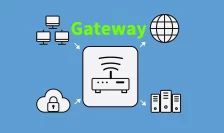
Scopri cos’è un gateway di rete, come funziona e perché è essenziale per collegare reti diverse. Comprendi le funzioni del gateway, i diversi tipi e le applicazioni pratiche nei moderni sistemi di comunicazione.
I moduli ottici 10G a lunga portata consentono trasferimenti dati ad alta velocità su distanze fino a 80 km. Scopri i tipi, le specifiche, la compatibilità e come scegliere il modulo giusto.
What Frame Check Sequence (FCS) means, how CRC-32 detects corrupted Ethernet frames, and why FCS errors are commonly associated with cable faults, fiber issues, or optical transceiver problems.
Learn what Dispersion Compensation Fiber (DCF) is, how it reduces chromatic dispersion, where it is used, and why it matters in modern optical networks.
Learn what a Fiber Optical Light Source is, how it works, its types, and how to choose the right one for accurate fiber testing and network performance.
Understand what a Digital Communication Analyzer (DCA) is, how it works, and why it is essential for optical module testing, eye diagrams, and signal integrity.
Discover the LQ‑SW40‑SR4C 40GBASE‑SR module: high-speed, low-power, QSFP+ optics for multimode fibre networks. Perfect for data centres and network upgrades.
Learn what hyperconverged infrastructure HCI is, how it compares with virtualization and dHCI, and when Nutanix, Sangfor, or SFP-based designs fit best.
Understand SFP+ 40km (10GBASE-ER) modules, including specs, SMF compatibility, and how to choose the right extended-reach optical transceiver for your network.
Comprendi le differenze tra SFP 850 nm e 1310 nm in termini di tipo di fibra, distanza, costo e casi d’uso. Scopri quale modulo SFP è adatto alla tua rete.
Subscribe to LINK-PP
newsletter
Don’t miss anything. Get all the latest posts delivered straight to your inbox.