Impara a testare un transceiver SFP con gli strumenti giusti, metodi e criteri di approvazione/respinta per potenza ottica, BER, diagramma dell'occhio, DDM e compatibilità.
Scopri cosa significa realmente lo standard SFP, inclusi specifiche, regole di compatibilità e limitazioni nel mondo reale. Evita errori costosi nella scelta dei moduli SFP.
Scopri cos’è un modulo SFP per fibra multimodale (MMF), come si differenzia dai moduli per fibra monomodale (SMF), come identificarlo e come evitare errori di compatibilità nelle implementazioni reali.
Scopri cos’è lo Small Form-factor Pluggable Plus (SFP+), come funziona, le regole di compatibilità, gli utilizzi più comuni e come scegliere il modulo più adatto.
Comprendi i moduli SFP OEM, i prezzi, la compatibilità, la durata operativa e le differenze rispetto alle ottiche di terze parti. Scopri quali moduli usano effettivamente gli ingegneri nelle reti.
Scopri come pulire correttamente un transceiver SFP per prevenire la perdita di segnale, ridurre gli errori e prolungare la durata del modulo utilizzando strumenti e metodi approvati dal settore.
Scopri cos’è l’SFP da 10 Gbps (SFP+), come si confronta con Ethernet e come scegliere il modulo da 10G più adatto. Include approfondimenti pratici degli ingegneri.
Esplora la guida completa ai moduli 1G SX SFP, inclusi le specifiche, la compatibilità, i consigli per l'implementazione e le esperienze reali degli utenti per un'ottimale performance della rete.
Confronta i cavi Ethernet Cat5e, Cat6 e Cat6A per moduli SFP in rame: larghezza di banda, distanza a 10G, schermatura, consigli per l’installazione e costo. Guida per abitazioni, aziende e data center.
Le reti ottiche passive utilizzano fibre ottiche e splitter non alimentati per fornire Internet veloce e affidabile dai provider a più utenti in modo efficiente.
ONU vs ONT spiegato: comprendi le differenze chiave, i ruoli e quale dispositivo soddisfa al meglio le tue esigenze di connettività in fibra ottica, sia per uso domestico che per edifici condivisi.
Cos’è l’Optical Line Terminal (OLT)? L’OLT è il dispositivo principale nelle reti in fibra, che converte i segnali e gestisce i dati per connessioni Internet veloci e stabili.
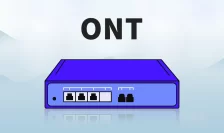
Un ONT collega la tua casa a Internet in fibra ottica convertendo i segnali luminosi in dati digitali per i tuoi dispositivi, consentendo un servizio veloce e affidabile.
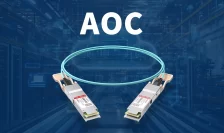
Il cavo ottico attivo offre elevate velocità, basso consumo energetico e connessioni affidabili. Scopri come l’AOC si integra nei data center, negli uffici e nelle configurazioni domestiche.
Esplora i componenti essenziali e i tipi di server, inclusi i server rack, blade e le infrastrutture iperconvergenti. Scopri come i server alimentano i moderni sistemi IT e supportano le aziende in tutto il mondo.
Il transceiver QSFP+ 40G SR4 offre prestazioni affidabili a 40 Gbps, connettività a corto raggio e una forte compatibilità per data center e reti aziendali.
OTU4 vs 100GE: confrontare velocità, affidabilità e scenari per scegliere il protocollo a alta velocità più adatto alle esigenze e al futuro della propria rete.
Learn what OEO means in optical communication, how optical-electrical-optical regeneration works, and when it is used in DWDM networks and optical links. Keywords:
Learn what a Fiber Optical Light Source is, how it works, its types, and how to choose the right one for accurate fiber testing and network performance.
Discover the benefits of copper-based interconnects for data centers. Learn how they reduce costs, improve connectivity, and support network efficiency.
Discover the LQ‑SW40‑SR4C 40GBASE‑SR module: high-speed, low-power, QSFP+ optics for multimode fibre networks. Perfect for data centres and network upgrades.
Understand SFP+ 40km (10GBASE-ER) modules, including specs, SMF compatibility, and how to choose the right extended-reach optical transceiver for your network.