Il cavo in rame a coppie intrecciate utilizza due fili isolati avvolti insieme per bloccare le interferenze, garantendo trasmissioni dati e vocali affidabili nelle reti.
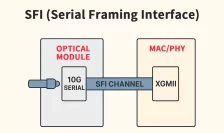
Scopri come l’interfaccia seriale di framing (SFI) abilita la trasmissione dati ad alta velocità nei moduli ottici 10G SFP+ e 40G QSFP+. Esplora i canali SFI, la conversione XGMII e l’interoperabilità dei moduli per reti affidabili.
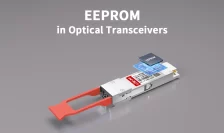
Scopri perché l’EEPROM è essenziale per l’identificazione del modulo, il monitoraggio e la compatibilità, e come i moduli SFP/QSFP di LINK-PP rispettano gli standard SFF-8472 e SFF-8024.
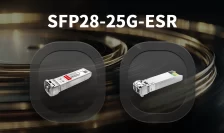
SFP28-25G-ESR è un transceiver ottico da 25 G che offre una trasmissione dati rapida e affidabile, con portata estesa per le moderne infrastrutture di rete.
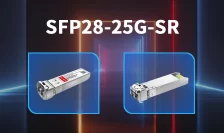
Il transceiver SFP28-25G-SR fornisce velocità di 25 Gbps, connettività in fibra a corto raggio e prestazioni affidabili per data center e reti aziendali.
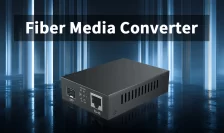
I convertitori di supporti collegano cavi in rame e in fibra ottica, convertendo i segnali per estendere la portata della rete e supportare dispositivi obsoleti.
Convertire la fibra ottica tra multimodale e monomodale utilizzando metodi intelligenti per ottenere maggiore velocità, distanza maggiore e prestazioni di rete affidabili.
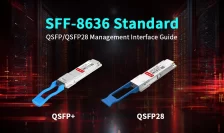
Scopri cos’è lo standard SFF-8636, perché è fondamentale per le ottiche QSFP/QSFP28 e come la sua interfaccia di gestione a 2 fili, la mappa di memoria, le classi di potenza e gli allarmi ne garantiscono l’interoperabilità.
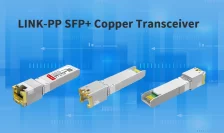
Scopri il transceiver SFP+ 10GBase-T in rame LINK-PP. Supporta 10 Gbps su cavi Cat6a/7 fino a 80 m. Compatibile con Cisco, Dell, H3C, Juniper e Arista.
Scopri come l’EEPROM garantisce una configurazione affidabile, un’eccellente compatibilità e flessibilità duratura nell’hardware di rete: dagli interfacce RJ45 ai moduli ottici.
What are SFP ports on a switch? Learn how SFP ports support fiber and Ethernet connections, how they compare with RJ45 and SFP+, and which module you need.
An SGMII SFP transceiver enables fast Ethernet connections over copper or fiber, supporting flexible speeds and device compatibility in modern networks.
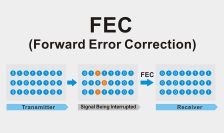
La correzione degli errori in avanti (FEC, Forward Error Correction) nelle comunicazioni ottiche aggiunge ridondanza per rilevare e correggere gli errori, garantendo una trasmissione dati affidabile e ad alta velocità.
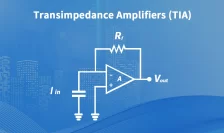
Gli amplificatori transimpedenza (TIA) convertono la corrente del sensore in tensione utilizzando un amplificatore operazionale e una resistenza di retroazione, consentendo misurazioni accurate del segnale.
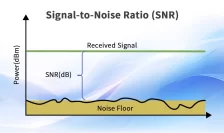
L’SNR, ovvero il rapporto segnale-rumore, misura l’intensità del segnale rispetto al rumore. Un valore elevato di SNR significa audio, immagini e dati più chiari, con una qualità complessiva del segnale migliore.
Scopri cos’è un PHY Ethernet, come collega il MAC al mezzo di rete, le sue funzioni principali, i tipi di segnale e come si accoppia con i componenti LINK‑PP Magnetics per la progettazione Ethernet.
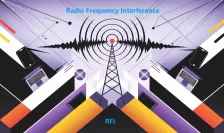
L’RFI (Interferenza da radiofrequenza) è costituita da segnali radio indesiderati che disturbano i dispositivi elettronici, causando problemi di prestazione e di comunicazione.
Il rapporto spire nei trasformatori LAN definisce la relazione tra gli avvolgimenti, generalmente 1:1, garantendo l’integrità del segnale, la stabilità della tensione e la conformità agli standard Ethernet.
Che cosa significa la certificazione RoHS, quali sostanze sono soggette a restrizione e perché la conformità è fondamentale per i produttori e gli importatori di apparecchiature elettroniche.
PAM4 è un metodo di modulazione dell’ampiezza dell’impulso a quattro livelli che trasmette due bit per simbolo, raddoppiando le velocità dati per reti ad alta velocità.
La codifica Non-Return-to-Zero (NRZ) è un metodo di codifica digitale che utilizza due livelli di tensione per rappresentare i dati binari, offrendo semplicità ed efficienza nelle comunicazioni digitali.
L’induttanza a circuito aperto (OCL, Open Circuit Inductance) nei trasformatori Ethernet influisce sull’integrità del segnale e sulla soppressione delle interferenze elettromagnetiche (EMI); un valore OCL più elevato previene la perdita di dati.
Discover the LQ‑SW40‑SR4C 40GBASE‑SR module: high-speed, low-power, QSFP+ optics for multimode fibre networks. Perfect for data centres and network upgrades.
Learn what hyperconverged infrastructure HCI is, how it compares with virtualization and dHCI, and when Nutanix, Sangfor, or SFP-based designs fit best.
Understand SFP+ 40km (10GBASE-ER) modules, including specs, SMF compatibility, and how to choose the right extended-reach optical transceiver for your network.