Lo splitter FBT offre un modo economico per suddividere i segnali ottici nelle reti in fibra, ideale per configurazioni ridotte che richiedono una distribuzione semplice e personalizzabile del segnale.
Scopri come funziona la traduzione degli indirizzi di rete (NAT, Network Address Translation), i suoi tipi, i vantaggi, i limiti e le migliori pratiche per le implementazioni IPv6 e aziendali.
Scoprite cos’è un telefono VoIP, come funziona e perché è fondamentale per le moderne comunicazioni. Conoscete i principali vantaggi e come i connettori RJ45 LINK-PP li supportano.
Scoprite cos’è un connettore RJ45, il suo schema di pinout, i tipi di cablaggio e come supporta reti Ethernet, PoE e Gigabit. Scoprite le soluzioni RJ45 LINK-PP per una connettività affidabile.
Scoprite come le prese magnetiche RJ45 garantiscono un'alimentazione stabile, segnali puliti e connessioni di rete affidabili nei telefoni VoIP — con soluzioni RJ45 pronte per PoE LINK-PP.
Un indirizzo IPv4 identifica in modo univoco il vostro dispositivo su una rete, consentendo l’accesso a Internet e il trasferimento sicuro di dati tra dispositivi in tutto il mondo.
Il Tempo Medio Tra Guasti (MTBF) indica per quanto tempo un apparecchio funziona prima di guastarsi, aiutandovi a pianificare la manutenzione e ad aumentare l'affidabilità.
Scopri le principali differenze tra IEEE 802.3af (PoE), 802.3at (PoE+) e 802.3bt (PoE++). Comprendi i livelli di potenza, la compatibilità e le applicazioni con le soluzioni LINK-PP per magnetics PoE.
Un indirizzo IPv6 consente connessioni sicure ed efficienti dei dispositivi online, offrendo uno spazio di indirizzamento vastissimo e una gestione della rete migliorata rispetto a IPv4.
RDMA over Converged Ethernet consente trasferimenti di dati rapidi e a bassa latenza utilizzando hardware Ethernet standard, riducendo l’utilizzo della CPU e migliorando l’efficienza della rete.
What are SFP ports on a switch? Learn how SFP ports support fiber and Ethernet connections, how they compare with RJ45 and SFP+, and which module you need.
An SGMII SFP transceiver enables fast Ethernet connections over copper or fiber, supporting flexible speeds and device compatibility in modern networks.
Power Over Ethernet (PoE) combines power and data delivery via a single cable, simplifying installations for devices like IP cameras, VoIP phones, and IoT systems.
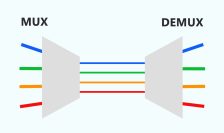
Wavelength Division Multiplexing (WDM) uses optical transceiver modules to send multiple data streams through a single fiber, boosting bandwidth and efficiency.
Il Sottoinsieme Ottico Ricevente (ROSA) è un componente optoelettronico critico nei transceiver ottici, responsabile della conversione dei segnali ottici in ingresso in
DDM/DOM in optical transceivers provides real-time monitoring of key parameters like temperature and power, ensuring network reliability and early issue detection.
Discover the LQ‑SW40‑SR4C 40GBASE‑SR module: high-speed, low-power, QSFP+ optics for multimode fibre networks. Perfect for data centres and network upgrades.
Learn what hyperconverged infrastructure HCI is, how it compares with virtualization and dHCI, and when Nutanix, Sangfor, or SFP-based designs fit best.
Understand SFP+ 40km (10GBASE-ER) modules, including specs, SMF compatibility, and how to choose the right extended-reach optical transceiver for your network.