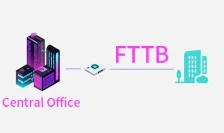
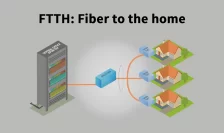
Scopri la tecnologia FTTH: come funziona, i suoi vantaggi e in che modo le soluzioni LINK-PP possono migliorare la tua esperienza di connessione broadband.
La modulazione QAM potenzia la trasmissione dati variando l’ampiezza e la fase, consentendo comunicazioni più veloci ed efficienti in Wi-Fi, televisione via cavo e connessioni broadband.
La dispersione per modalità di polarizzazione nelle fibre ottiche causa distorsione del segnale e limita la velocità dei dati. Comprendere l’impatto della PMD e come gestirla nelle reti moderne.
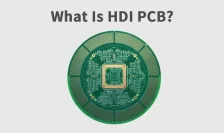
Scopri cos’è una scheda PCB HDI (High-Density Interconnect), i suoi vantaggi, le tecniche di produzione e le principali applicazioni nell’elettronica moderna e nei dispositivi 5G.
Scopri il ruolo della tensione di isolamento nei trasformatori LAN, perché lo standard IEEE 802.3 prevede 1500 Vrms e come i prodotti LINK-PP garantiscono connessioni Ethernet sicure e affidabili.
Il DP-QPSK (Dual-Polarization QPSK) raddoppia le velocità dati utilizzando due polarizzazioni, migliorando l’efficienza della larghezza di banda nelle comunicazioni in fibra e satellitari.
Spiegazione di cosa sono i veri moduli SFF, dei loro vantaggi fondamentali nei sistemi a configurazione fissa e del motivo per cui rimangono un pilastro fondamentale della progettazione moderna delle reti.
Esplora le funzioni ADAS (Advanced Driver Assistance System), i benefici per la sicurezza e il modo in cui i componenti LINK-PP — magnetics Ethernet, connettori RJ45 e moduli ottici — supportano reti veicolari affidabili.
Un convertitore di lunghezza d’onda nel 2025 trasforma rapidamente la lunghezza d’onda della luce, consentendo calcoli precisi di frequenza, energia e numero d’onda per i dispositivi.
Scopri la differenza tra MTTR e MTBF, come influiscono sull'affidabilità del sistema e come i connettori industriali LINK-PP e i moduli SFP/SFP+ aiutano a migliorare la disponibilità della rete.
Le reti ottiche garantiscono elevata velocità, sicurezza e scalabilità per le distribuzioni cloud private e ibride, assicurando una connettività dati affidabile ed efficiente.
Ottimizza le fabric AI con transceiver ottici avanzati per una comunicazione più rapida e affidabile tra GPU, maggiore efficienza e prestazioni scalabili.
L'integrità del segnale e la bassa latenza nei trasmettitori dei data center assicurano una trasmissione dati affidabile, priva di errori e un'ottima performance per applicazioni in tempo reale.
Learn how industrial IPCs use LINK-PP SFP/SFP+ cages to build high-speed, EMI-protected fiber uplinks for PLCs and edge networks. Ideal for Industry 4.0 and smart factories.
Scopri come un PC industriale (IPC) comunica in modo affidabile con un PLC utilizzando i connettori integrati RJ45 LINK-PP per un’isolamento robusto e una resilienza alle interferenze elettromagnetiche (EMI) nelle reti Ethernet industriali.
I trasceivers ottici green riducono il consumo energetico e gli sprechi, contribuendo a ridurre i costi e l’impatto ambientale del tuo data center sostenibile.
NPO contro CPO: confronta posizionamento degli elementi ottici, velocità dei dati, flessibilità di aggiornamento ed efficienza energetica per le esigenze del tuo data center.
Costruisci una rete spine-leaf scalabile con transceiver ottici ad alta densità per una crescita efficiente, un’ampia larghezza di banda e una semplificazione dell’espansione del data center.
What Frame Check Sequence (FCS) means, how CRC-32 detects corrupted Ethernet frames, and why FCS errors are commonly associated with cable faults, fiber issues, or optical transceiver problems.
Discover how optical cross‑connect (OXC) enables all‑optical switching in DWDM/OTN networks, with LINK‑PP SFP modules ensuring seamless integration and superior performance.
Learn what Dispersion Compensation Fiber (DCF) is, how it reduces chromatic dispersion, where it is used, and why it matters in modern optical networks.
Learn what OEO means in optical communication, how optical-electrical-optical regeneration works, and when it is used in DWDM networks and optical links. Keywords:
Discover the LQ‑SW40‑SR4C 40GBASE‑SR module: high-speed, low-power, QSFP+ optics for multimode fibre networks. Perfect for data centres and network upgrades.
Learn what hyperconverged infrastructure HCI is, how it compares with virtualization and dHCI, and when Nutanix, Sangfor, or SFP-based designs fit best.