What are SFP ports on a switch? Learn how SFP ports support fiber and Ethernet connections, how they compare with RJ45 and SFP+, and which module you need.
What Frame Check Sequence (FCS) means, how CRC-32 detects corrupted Ethernet frames, and why FCS errors are commonly associated with cable faults, fiber issues, or optical transceiver problems.
Discover the LQ‑SW40‑SR4C 40GBASE‑SR module: high-speed, low-power, QSFP+ optics for multimode fibre networks. Perfect for data centres and network upgrades.
Discover how optical cross‑connect (OXC) enables all‑optical switching in DWDM/OTN networks, with LINK‑PP SFP modules ensuring seamless integration and superior performance.
I cavi patch in fibra ottica sono essenziali per collegare dispositivi all’interno delle reti, garantendo trasferimenti dati rapidi e affidabili nelle applicazioni telecom, nei data center e industriali.
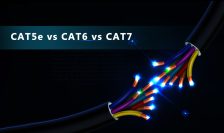
CAT5e rispetto a CAT6 rispetto a CAT7: confronta i cavi Ethernet per trovare la soluzione migliore per la tua rete. Scopri informazioni su velocità, schermatura e costo per prendere una decisione consapevole.
Comprendi i fattori di forma dei transceiver ottici da 100G, come QSFP28, CFP, CFP2, CFP4 e CXP. Scopri come ottimizzano le prestazioni della rete e ne garantiscono la compatibilità.
I transceiver a doppia velocità operano a due velocità dati distinte, offrendo flessibilità, convenienza economica e compatibilità senza interruzioni per gli aggiornamenti moderni delle reti.
Ottieni risposte alle domande frequenti sui connettori RJ45 PoE LINK-PP, inclusi i loro vantaggi, gli standard PoE, la compatibilità e suggerimenti per installazione e manutenzione.
Comprendi il ruolo dei trasceivers 1x9 nelle reti in fibra ottica, la loro convenienza economica, la compatibilità con i sistemi legacy e la trasmissione affidabile dei dati.
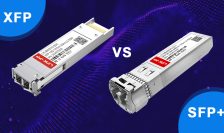
Confronta i transceiver XFP e SFP+: XFP offre prestazioni ad alta velocità su lunghe distanze, mentre SFP+ è compatto, energeticamente efficiente e ideale per compiti a breve distanza.
Le certificazioni di qualità come ISO 9001:2015, RoHS e FCC garantiscono che i trasceivers ottici rispettino rigorosi standard di affidabilità, conformità e prestazioni.
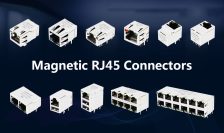
Un connettore RJ45 con magnetics integra trasformatori e induttori per migliorare la qualità del segnale, ridurre le interferenze elettromagnetiche (EMI) e semplificare i progetti. Ideale per l’uso con presa RJ45 magnetica.
Scopri l’equalizzatore con feedback decisionale (DFE), la tecnica non lineare essenziale per ridurre al minimo l’ISI. Impara come il DFE migliora il BER dei bit nei transceiver ottici e nei collegamenti dati a lunga distanza.
Scopri cos’è l’FFE (equalizzatore feed-forward), come funziona l’equalizzazione in trasmissione e perché l’FFE è essenziale per i moduli ottici ad alta velocità e per l’integrità del segnale SerDes.
Scopri come l’equalizzatore lineare in tempo continuo (CTLE) migliora in modo significativo l’integrità del segnale nei moduli SFP, contrastando efficacemente la perdita di canale e massimizzando le prestazioni del collegamento.
Comprendi TDCEQ, il metrica critica della qualità del trasmettitore PAM4 ottico per i moderni moduli ottici. Apprendi come tdecq misura la chiusura verticale dell'occhio e influisce sulla prestazione e sulla conformità dei moduli 50/100/400g.
SCP (Secure Copy) consente trasferimenti di file sicuri e crittografati tra computer tramite SSH. Scopri come utilizzare SCP, le sue funzionalità e le migliori pratiche.
FTP su SSL (FTPS) protegge i trasferimenti di file crittografando i dati con SSL/TLS, salvaguardando le informazioni sensibili dall’accesso non autorizzato durante il transito.
HTTP su SSL crittografa i tuoi dati, garantendo comunicazioni sicure e private e proteggendo le informazioni sensibili dagli hacker durante la navigazione web.
L’SVI nelle reti ti consente di assegnare indirizzi IP alle VLAN, abilitando il routing inter-VLAN e una gestione efficiente del livello 3 nei commutatori della tua rete.
esplorare la migrazione al cloud e i suoi vantaggi, le strategie e le migliori pratiche, oltre a esaminare l’hardware essenziale, come i moduli ottici, che ne rendono possibile l’attuazione.
Discover the LQ‑SW40‑SR4C 40GBASE‑SR module: high-speed, low-power, QSFP+ optics for multimode fibre networks. Perfect for data centres and network upgrades.
Learn what hyperconverged infrastructure HCI is, how it compares with virtualization and dHCI, and when Nutanix, Sangfor, or SFP-based designs fit best.
Understand SFP+ 40km (10GBASE-ER) modules, including specs, SMF compatibility, and how to choose the right extended-reach optical transceiver for your network.