Evita costosi errori di installazione della fibra individuando pieghe, pulizia scarsa e giunzioni difettose. Mantieni forte la tua rete in fibra con questi consigli di esperti.
Scopri come LLDP (Link Layer Discovery Protocol) migliora i sistemi PoE grazie a una negoziazione intelligente della potenza, a una gestione efficiente dell’energia e al rilevamento dei dispositivi nelle moderne reti Ethernet.
Il calcolo edge elabora i dati vicino alla loro origine, consentendo decisioni più rapide, una latenza ridotta e un utilizzo efficiente della larghezza di banda per applicazioni in tempo reale.
Il transceiver ottico LINK-PP LS-MM8510-S3C corrisponde all’Aruba J9150D per velocità, compatibilità e affidabilità, offrendo una sostituzione economica e senza interruzioni.
Learn the difference between PSE and PD in PoE networks, how detection & classification work, and which LINK-PP PoE RJ45 products suit your WAP, camera or VoIP deployment.
Scopri cos’è un dispositivo alimentato (PD) nelle reti PoE, come riceve energia da una PSE e approfondisci i componenti PoE-ready di LINK-PP, come LPJK6072AONL e LP41223NL.
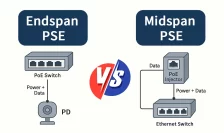
Scopri le differenze tra PSE Endspan e PSE Midspan nelle reti PoE, i loro ruoli, i vantaggi e come i connettori RJ45 PoE di LINK-PP supportano entrambi i tipi.
L’ottimizzazione del consumo energetico dei transceiver ottici nell’edge computing riduce il consumo energetico, abbassa i costi e migliora la scalabilità e l'affidabilità della rete.
I transceiver ottici LINK-PP offrono piena compatibilità con gli switch Cisco Catalyst 9300, garantendo prestazioni affidabili ed espansione della rete a costi contenuti.
Le assemblaggi a gabbia per fibre ottiche di LINK-PP offrono soluzioni ad alta densità, schermate contro le interferenze elettromagnetiche (EMI) e con gestione termica per soddisfare i requisiti del fattore di forma dei transceiver 400G.
I trascevitori ottici consentono il trasferimento dati ad alta velocità e affidabile nei cavi sottomarini, garantendo la connettività globale e soddisfacendo la crescente domanda di larghezza di banda sott’acqua.
Comprendi le differenze tra FTTH e FTTB. Scopri come i trasceivers ottici LINK-PP supportano entrambe le architetture di accesso in fibra per una connettività affidabile.
Saldatura a onda vs. saldatura a riflusso: confronta processi, applicazioni, costi e migliori utilizzi per l’assemblaggio di PCB per scegliere il metodo più adatto al tuo progetto.
Esplora approfondimenti dettagliati sulle implementazioni FTTx, inclusi FTTH, FTTB, FTTC e altro ancora. Scopri come i moduli ottici LINK-PP supportano reti in fibra affidabili.
I moduli ottici abilitano reti 5G ad alta velocità e bassa latenza convertendo i segnali per un trasferimento dati rapido e affidabile, supportando una connettività senza interruzioni e la crescita futura.
I collegamenti backhaul 5G connettono le stazioni radio alle reti core, abilitando servizi 5G ad alta velocità e bassa latenza. Un backhaul solido è fondamentale per la crescita dei dati e dei dispositivi nel 2025.
I collegamenti 5G fronthaul uniscono le unità radio e quelle di elaborazione, consentendo il trasferimento di dati ad alta velocità e bassa latenza, essenziale per una comunicazione 5G affidabile ed efficiente.
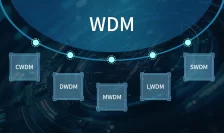
CWDM vs DWDM vs MWDM vs LWDM vs SWDM: confronta spaziatura dei canali, distanza, costo e migliori casi d’uso per scegliere il WDM più adatto alle proprie esigenze di rete.
Esplora le bande di lunghezza d’onda in fibra ottica, l’evoluzione tecnologica e le tendenze. Scopri come i moduli LINK-PP supportano le lunghezze d’onda chiave per una trasmissione dati efficiente.
Il connettore RJ45 con trasformatori migliora le prestazioni degli switch di rete migliorando l’integrità del segnale, riducendo le interferenze elettromagnetiche (EMI) e consentendo un’affidabile erogazione di energia tramite Ethernet (Power over Ethernet).
What Frame Check Sequence (FCS) means, how CRC-32 detects corrupted Ethernet frames, and why FCS errors are commonly associated with cable faults, fiber issues, or optical transceiver problems.
Discover how optical cross‑connect (OXC) enables all‑optical switching in DWDM/OTN networks, with LINK‑PP SFP modules ensuring seamless integration and superior performance.
Learn what Dispersion Compensation Fiber (DCF) is, how it reduces chromatic dispersion, where it is used, and why it matters in modern optical networks.
Learn what OEO means in optical communication, how optical-electrical-optical regeneration works, and when it is used in DWDM networks and optical links. Keywords:
Discover the LQ‑SW40‑SR4C 40GBASE‑SR module: high-speed, low-power, QSFP+ optics for multimode fibre networks. Perfect for data centres and network upgrades.
Learn what hyperconverged infrastructure HCI is, how it compares with virtualization and dHCI, and when Nutanix, Sangfor, or SFP-based designs fit best.
Understand SFP+ 40km (10GBASE-ER) modules, including specs, SMF compatibility, and how to choose the right extended-reach optical transceiver for your network.
Subscribe to LINK-PP
newsletter
Don’t miss anything. Get all the latest posts delivered straight to your inbox.