Scopri cosa è uno switch MoR (Middle-of-Rack), come lo MoR si confronta con ToR/EoR, e quali moduli SFP+/SFP28/QSFP funzionano meglio — una guida pratica per la progettazione dei data center.
Scopri cosa sono gli switch EoR (End-of-Row), come funziona l'architettura, i loro vantaggi e svantaggi, le differenze tra EoR e ToR, le migliori pratiche di implementazione e i moduli ottici consigliati.
AWS (Amazon Web Services) alimenta il calcolo cloud globale con servizi scalabili e reti di data center ad alta velocità. Scopri i concetti base di AWS, l'architettura e come i moduli ottici supportino la connettività AWS.
Il ruolo dell'SDN nell'interconnessione dei data center consente l'automazione, il controllo centralizzato, la scalabilità e la gestione sicura ed efficiente della rete.
Il Multi-Gig Ethernet aumenta le velocità di rete fino a 2,5, 5 o 10Gbps utilizzando cavi esistenti, rendendo gli aggiornamenti semplici per una trasmissione streaming, gaming e trasferimenti file più veloci.
Scopri cos’è uno switch ToR (Top-of-Rack), come funziona l’architettura ToR e perché è il modello di rete preferito nei moderni data center. Include vantaggi, casi d’uso e soluzioni compatibili di transceiver ottici da LINK-PP.
Scopri l’equalizzatore con feedback decisionale (DFE), la tecnica non lineare essenziale per ridurre al minimo l’ISI. Impara come il DFE migliora il BER dei bit nei transceiver ottici e nei collegamenti dati a lunga distanza.
Scopri cos’è l’FFE (equalizzatore feed-forward), come funziona l’equalizzazione in trasmissione e perché l’FFE è essenziale per i moduli ottici ad alta velocità e per l’integrità del segnale SerDes.
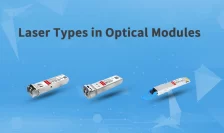
Scopri le differenze tra i laser VCSEL, FP, DFB ed EML nei moduli ottici. Esplora i loro tratti principali, gli utilizzi comuni e come LINK‑PP li integra nei trascevitori.
Il cloud computing offre risorse flessibili con modello di pagamento “a consumo”, mentre il calcolo ad alte prestazioni fornisce velocità massima per compiti impegnativi.
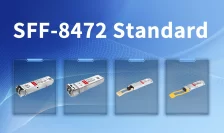
Standard SFF-8472 spiegato: la specifica industriale per la DDM (Digital Diagnostic Monitoring) nei trascevitori ottici SFP. Scopri come migliora l'affidabilità e la manutenzione della rete.
Il cloud computing fornisce accesso online a server, archiviazione e applicazioni, consentendo agli utenti di salvare file, eseguire software e lavorare da qualsiasi luogo in modo sicuro.
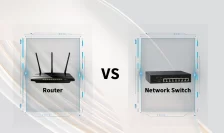
Un router collega la tua rete a Internet, mentre uno switch collega i dispositivi all’interno della tua LAN. Confronta router e switch per le tue esigenze di rete nel 2025.
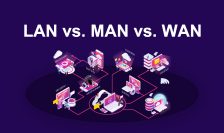
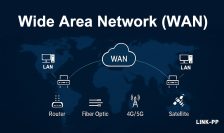
Esplora le differenze tra reti LAN, MAN e WAN, le loro tecnologie, applicazioni tipiche e perché i componenti LINK‑PP sono ideali per ogni installazione.
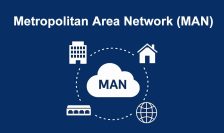
Scopri cos’è una Rete d’Area Metropolitana (MAN), come collega LAN e WAN e quali sono le sue tecnologie fondamentali e le applicazioni. | Guida completa LINK‑PP.
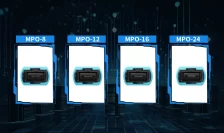
Confronta i connettori MPO a 8, 12, 16 e 24 fibre per comprendere le differenze nel numero di fibre, nella compatibilità e in come ciascun tipo soddisfa le esigenze della tua rete.
Impara cosa significa distorsione del segnale nell’hardware di rete. Comprendi i tipi, le cause, gli effetti e scopri come i prodotti LINK-PP — RJ45, trasformatori LAN e moduli ottici — controllano la distorsione per data center affidabili.
What Frame Check Sequence (FCS) means, how CRC-32 detects corrupted Ethernet frames, and why FCS errors are commonly associated with cable faults, fiber issues, or optical transceiver problems.
Discover how optical cross‑connect (OXC) enables all‑optical switching in DWDM/OTN networks, with LINK‑PP SFP modules ensuring seamless integration and superior performance.
Learn what Dispersion Compensation Fiber (DCF) is, how it reduces chromatic dispersion, where it is used, and why it matters in modern optical networks.
Learn what OEO means in optical communication, how optical-electrical-optical regeneration works, and when it is used in DWDM networks and optical links. Keywords:
Discover the LQ‑SW40‑SR4C 40GBASE‑SR module: high-speed, low-power, QSFP+ optics for multimode fibre networks. Perfect for data centres and network upgrades.
Learn what hyperconverged infrastructure HCI is, how it compares with virtualization and dHCI, and when Nutanix, Sangfor, or SFP-based designs fit best.