Benvenuti alla comunità LINK-PP
Altri post
822
L’ottica aperta e la disaggregazione nelle reti dei data center riducono i costi, aumentano la flessibilità e migliorano le prestazioni, riducendo al contempo il vincolo verso un singolo fornitore e il consumo energetico.
Scopri la differenza tra MTTR e MTBF, come influiscono sull'affidabilità del sistema e come i connettori industriali LINK-PP e i moduli SFP/SFP+ aiutano a migliorare la disponibilità della rete.
Master Mean Time to Detect (MTTD), il metrica più cruciale per evitare i fallimenti silenziosi. Apprendi la calcolazione, il suo ruolo nella moderna osservabilità e come ridurre MTTD per una migliore disponibilità del sistema.
Master Mean Time to Acknowledge (MTTA), il metrica chiave per una risposta rapida. Apprendi il suo ruolo nella disponibilità del sistema, come calcolarlo e i passaggi proverbi per ridurlo per una migliore uptime del network.
Un convertitore di lunghezza d’onda nel 2025 trasforma rapidamente la lunghezza d’onda della luce, consentendo calcoli precisi di frequenza, energia e numero d’onda per i dispositivi.
L’ottica inseribile consente aggiornamenti flessibili ed economici delle reti e connessioni ad alta velocità, con l’ottica inseribile lineare che potenzia le prestazioni dell’intelligenza artificiale e dei data center.
L’architettura Spine-Leaf nelle reti ottiche consente connettività scalabile e non bloccante, nonché alte prestazioni per i moderni data center.
L’ottica integrata migliora la velocità dei dati, l’efficienza energetica e la densità dei canali per data center, supercomputer e sistemi di rete avanzati.
Learn how industrial IPCs use LINK-PP SFP/SFP+ cages to build high-speed, EMI-protected fiber uplinks for PLCs and edge networks. Ideal for Industry 4.0 and smart factories.
L'integrità del segnale e la bassa latenza nei trasmettitori dei data center assicurano una trasmissione dati affidabile, priva di errori e un'ottima performance per applicazioni in tempo reale.
498
Scopri il ruolo dei contenitori per moduli ottici nei data center e nella rete 5G. Impara quali sono i materiali utilizzati, come le ceramiche e le leghe, le sfide termiche e scopri i trasceiver ottici Link-PP.
Scopri come le unità a microcontrollore (MCU) supportano i transceiver ottici abilitando il monitoraggio in tempo reale, i moduli con diagnosi integrate (DOM) e un controllo preciso del laser. Esplora il loro ruolo fondamentale nei moduli LINK-PP per una maggiore affidabilità.

OTU4 vs 100GE: confrontare velocità, affidabilità e scenari per scegliere il protocollo a alta velocità più adatto alle esigenze e al futuro della propria rete.
Scopri come i moduli ottici alimentano le reti di backbone: dati ad alta velocità, affidabilità, vantaggi LINK-PP e suggerimenti per l’acquisto destinati a data center e operatori.
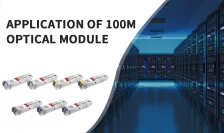
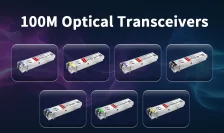
Il modulo ottico da 100 M abilita connessioni veloci e affidabili per uffici, fabbriche, sistemi di sicurezza e reti telecom, supportando un efficiente trasferimento dati su brevi distanze.
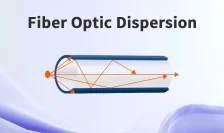
La dispersione nel trascevitore ottico influisce sulla chiarezza del segnale e sull'affidabilità dei dati. Scopri come gestire la dispersione per ottenere prestazioni ottimali della rete.
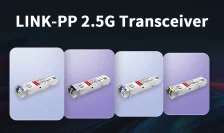
I moduli ottici da 2,5 G aumentano la velocità della rete, semplificano gli aggiornamenti e riducono i costi grazie a un’installazione agevole e a un’ampia compatibilità per le reti moderne.
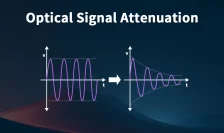
L’attenuazione nei trascevitori ottici indebolisce i segnali. Gestisci le perdite controllando i cavi, pulendo i connettori e utilizzando gli strumenti per fibre ottiche appropriati.
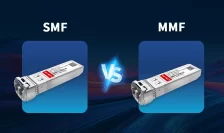
Il transceiver ottico SMF offre collegamenti a lunga distanza e ad alta velocità, mentre il MMF è adatto a collegamenti brevi ed economici. Scegli in base alle esigenze della tua rete.
Scegli il giusto trascevitore ottico da 100 M verificando compatibilità, tipo di fibra, lunghezza d’onda, distanza, velocità dati, connettore e affidabilità.

216
What Frame Check Sequence (FCS) means, how CRC-32 detects corrupted Ethernet frames, and why FCS errors are commonly associated with cable faults, fiber issues, or optical transceiver problems.

Understand what CRC is, how cyclic redundancy check errors happen, how to fix them, and why CRC matters in networking, storage, and SFP modules.
Discover how optical cross‑connect (OXC) enables all‑optical switching in DWDM/OTN networks, with LINK‑PP SFP modules ensuring seamless integration and superior performance.
Discover how EML works in optical modules, why it’s vital for high‑speed, long‑distance links, and how LINK‑PP brings EML‑based optical transceivers.
Explore how FP (Fabry‑Perot) laser diodes work in optical transceiver modules, their technical traits, typical use in low‑rate short‑distance links.
Learn what FCoE Fibre Channel over Ethernet is, how it works, and how it relates to optical modules, DCB, and high-performance data center networking.
Learn what Dispersion Compensation Fiber (DCF) is, how it reduces chromatic dispersion, where it is used, and why it matters in modern optical networks.
Learn what a dispersion compensation module is, how DCM works in DWDM networks, its role in long-haul fiber links, and when it is still used today.
Learn what OEO means in optical communication, how optical-electrical-optical regeneration works, and when it is used in DWDM networks and optical links. Keywords:
Learn what an OPM optical power meter is, how it measures optical power and loss, and why it matters for optical modules, SFP, and QSFP testing.
108
Discover the LQ‑SW40‑SR4C 40GBASE‑SR module: high-speed, low-power, QSFP+ optics for multimode fibre networks. Perfect for data centres and network upgrades.
Learn what hyperconverged infrastructure HCI is, how it compares with virtualization and dHCI, and when Nutanix, Sangfor, or SFP-based designs fit best.
What an FC SFP module is, how it differs from Ethernet SFPs, which speeds and fiber types it supports, and how to choose the right one.
Learn the real difference between 1000base-lh and 1000base-lx, including wavelength, fiber compatibility, Cisco naming, and when to use each.
Learn what a Gigabit SFP transceiver is, compare 1000BASE-SX, LX, and T options, and solve common compatibility and setup issues with confidence.
Learn what a 10/100/1000BASE-T SFP is, how RJ45 copper SFP modules work, compatibility issues, heat concerns, and best use cases in networks.
Compare CFP4 vs. QSFP28 by size, power, density, and deployment fit. Learn which 100G module is better for data centers, telecom, and upgrades.
Explore the Netgear AGM731F datasheet with specs, LC connector, OM1/OM3/OM4 distances, compatibility, power use, and operating limits.
Learn what 40GBASE-ER4 is, how far it reaches over duplex single-mode fiber, what it supports, and how to choose the right QSFP+ optic.
Understand SFP+ 40km (10GBASE-ER) modules, including specs, SMF compatibility, and how to choose the right extended-reach optical transceiver for your network.
Subscribe to LINK-PP
newsletter
Don’t miss anything. Get all the latest posts delivered straight to your inbox.
Video
00:41
Global Delivery Service | LINK-PP
https://resources.l-p.com/wp-content/uploads/2026/06/f3707104ff423f50cb51a7617d4e6a25.mp4
Jun 26, 2024
- 1.2k
- 888
×