NPO contro CPO: confronta posizionamento degli elementi ottici, velocità dei dati, flessibilità di aggiornamento ed efficienza energetica per le esigenze del tuo data center.
Ridurre il consumo energetico dei transceiver ottici aumenta il ROI del data center tagliando i costi energetici, migliorando l’efficienza e sostenendo una crescita sostenibile.
Confronta PROFINET e PROFIBUS, due protocolli leader per le comunicazioni industriali. Scopri le differenze, i vantaggi, le applicazioni e come i connettori LINK-PP RJ45 supportano l'automazione.
Acquistare trascevitori ottici? Garantire l'affidabilità della rete verificando compatibilità, standard di qualità, reputazione del fornitore e garanzia prima dell'acquisto.
Scopri come i connettori RJ45 abilitano le comunicazioni Ethernet, l’integrità del segnale, l’alimentazione PoE e l’affidabilità del sistema nei moderni moduli I/O per sistemi industriali e di automazione.
Impara i fondamenti PROFINET, l’architettura, le classi di dispositivi e i requisiti di comunicazione in tempo reale. Include approfondimenti hardware e soluzioni integrate LINK-PP con connettore RJ45.
Impara i fondamenti di PROFIBUS, i tipi di protocollo, l’architettura e le applicazioni industriali. Include terminologia specialistica e connettori LINK-PP RJ45 per sistemi ibridi.
L’ottica near-packaged posiziona il motore ottico vicino al chip di commutazione, consentendo trasferimenti dati più rapidi, un minore consumo energetico e aggiornamenti flessibili della rete.
I moduli ottici abilitano la distribuzione ad alta velocità e affidabile dei contenuti nelle CDN, consentendo lo streaming veloce, una latenza ridotta e servizi cloud e AI scalabili.
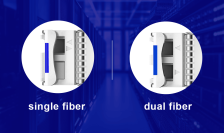
I transceiver a fibra singola, come il transceiver Bidi, utilizzano una sola fibra per i dati bidirezionali, mentre i transceiver a doppia fibra richiedono due fibre per TX e RX separate.
I connettori RJ45 integrati LINK-PP offrono magnetics integrati, schermatura EMI, supporto PoE e velocità Ethernet elevate, garantendo reti affidabili ed efficienti.
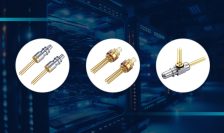
COB, BOX, and TO-CAN packaging impact optical devices by balancing size, cost, and reliability. Learn how COB excels in compact, high-speed applications.
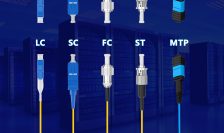
Esplora i tipi comuni di connettori in fibra ottica, come SC, LC, ST, FC e MPO/MTP, le loro caratteristiche e le applicazioni nei transceiver ottici per reti efficienti.
Ensure reliable optical transceiver performance with regular tests for metrics like BER, extinction ratio, and receiver sensitivity to avoid network disruptions.
TOSA, ROSA, and BOSA are key components in optical transceivers, enabling high-speed data transmission, reception, and bidirectional communication in modern networks.
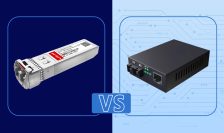
Compare optical transceivers and fiber media converters to understand their roles, advantages, and use cases in modern networking and data transmission.
Understand the operating temperature range of optical transceivers, including commercial (0°C-70°C), extended (-20°C-85°C), and industrial (-40°C-85°C) grades.
What Frame Check Sequence (FCS) means, how CRC-32 detects corrupted Ethernet frames, and why FCS errors are commonly associated with cable faults, fiber issues, or optical transceiver problems.
Discover how optical cross‑connect (OXC) enables all‑optical switching in DWDM/OTN networks, with LINK‑PP SFP modules ensuring seamless integration and superior performance.
Learn what Dispersion Compensation Fiber (DCF) is, how it reduces chromatic dispersion, where it is used, and why it matters in modern optical networks.
Learn what OEO means in optical communication, how optical-electrical-optical regeneration works, and when it is used in DWDM networks and optical links. Keywords:
Discover the LQ‑SW40‑SR4C 40GBASE‑SR module: high-speed, low-power, QSFP+ optics for multimode fibre networks. Perfect for data centres and network upgrades.
Learn what hyperconverged infrastructure HCI is, how it compares with virtualization and dHCI, and when Nutanix, Sangfor, or SFP-based designs fit best.