Learn what hyperconverged infrastructure HCI is, how it compares with virtualization and dHCI, and when Nutanix, Sangfor, or SFP-based designs fit best.
An SGMII SFP transceiver enables fast Ethernet connections over copper or fiber, supporting flexible speeds and device compatibility in modern networks.
What are SFP ports on a switch? Learn how SFP ports support fiber and Ethernet connections, how they compare with RJ45 and SFP+, and which module you need.
An SGMII SFP transceiver enables fast Ethernet connections over copper or fiber, supporting flexible speeds and device compatibility in modern networks.
La rete basata sull’intento automatizza la gestione della rete, allinea le operazioni con gli obiettivi aziendali e potenzia la sicurezza mediante intelligenza artificiale e analisi dati.
Il Protocollo semplice di gestione della rete (SNMP) consente un monitoraggio e una gestione efficienti dei dispositivi di rete, migliorando visibilità, controllo e sicurezza.
Che cos’è il CMOS? Impara i fondamenti della tecnologia Complementary Metal-Oxide-Semiconductor, il suo principio di funzionamento, i principali vantaggi e la sua integrazione con la fotonica al silicio e i trasceivers ottici.
Il Protocollo di messaggi di controllo Internet (ICMP) aiuta a diagnosticare problemi di rete inviando messaggi di errore e di stato tra dispositivi per una comunicazione affidabile.
Il sistema di posizionamento globale (GPS) utilizza satelliti per fornire in tempo reale una localizzazione precisa, navigazione e tracciamento per esigenze personali, aziendali e di sicurezza.
Un sistema di gestione della rete monitora, controlla e protegge i dispositivi di rete, fornendo avvisi in tempo reale, automazione e un miglioramento della sicurezza della rete.
L’operazione multi-link (MLO) in Wi-Fi consente ai dispositivi di utilizzare contemporaneamente più bande, migliorando velocità, stabilità e prestazioni nelle reti Wi-Fi 7.
Il Protocollo di sincronizzazione dell’ora di rete (NTP) sincronizza gli orologi dei dispositivi attraverso le reti, garantendo un’ora precisa per l’integrità dei dati, la sicurezza e il corretto funzionamento.
Fibre Channel over Ethernet (FCoE) consente al traffico di storage Fibre Channel di viaggiare sulle reti Ethernet, semplificando la connettività del data center e riducendo i costi.
Un Converged Network Adapter combina connettività di rete e di storage in un unico dispositivo, riducendo l’hardware e semplificando la gestione del data center.
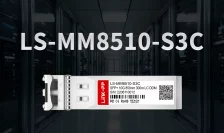
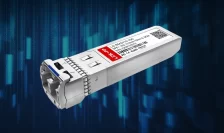
Il transceiver ottico LINK-PP LS-MM8510-S3C corrisponde all’Aruba J9150D per velocità, compatibilità e affidabilità, offrendo una sostituzione economica e senza interruzioni.
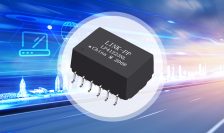
Scopri il trasformatore magneto PoE+ LINK-PP LP41223NL per Ethernet 10/100 Base-T. Isolamento elevato, perdite ridotte e ideale per dispositivi di rete PoE/PoE+.
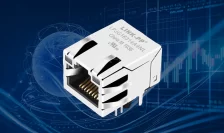
Il connettore RJ45 a singola porta LPJG16314A4NL offre magnetics integrati, schermatura EMI e indicatori LED per un’Ethernet 10/100/1000 Base-T affidabile.
Scopri come i trascevitori SFP/SFP+ ad alte prestazioni di LINK-PP abilitano connettività a bassa latenza e scalabile per database moderni e data center. Esplora le specifiche tecniche, gli scenari d’uso e i consigli per l’integrazione.
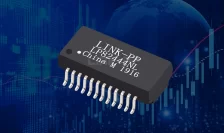
LP82444NL PoE LAN Transformer boosts network reliability, signal integrity, and power delivery for efficient, safe, and high-speed modern Ethernet applications.
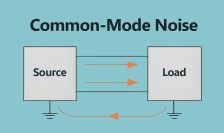
Comprendi il rumore in modo comune: cos’è, come influisce sull’Ethernet/EMI e come sopprimerlo mediante componenti magnetici e filtri. Una guida pratica per ingegneri.
Scopri come i circuiti integrati (IC) interagiscono con i prodotti LINK-PP, quali connettori RJ45, trasformatori LAN e trasceivers ottici. Esplora le applicazioni in Ethernet, PoE e data center.
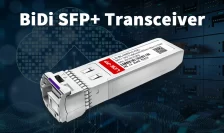
Il transceiver BiDi SFP+ LS-BL495510-A0C offre una portata di 100 km, riduce l’uso di fibre e consente un’installazione semplice per connessioni di rete affidabili a lunga distanza.
Confronta i trascevitori 10G SFP+ LR e 25G SFP28 LR a 1310 nm per collegamenti su fibra monomodale (SMF) fino a 10 km. Scopri le differenze in termini di throughput, consumo energetico, tipo di laser, costo e quando procedere all’aggiornamento. Esplora i modelli LINK-PP.