Il congestionamento della rete rallenta le velocità internet e causa interruzioni delle connessioni. Scopri come identificare, risolvere e prevenire il congestionamento della rete per un utilizzo online più fluido.
I moduli I/O collegano i sistemi di controllo a sensori e dispositivi, consentendo uno scambio di dati preciso, un controllo in tempo reale e prestazioni affidabili nell’automazione.
Le interfacce SERDES convertono i dati paralleli in seriali per una trasmissione ad alta velocità e affidabile, riducendo il cablaggio e migliorando l’integrità del segnale nell’elettronica.
XLAUI (Attachment Unit Interface a 10 canali) consente connessioni ad alta velocità e affidabili tra chip host e moduli QSFP+ in sistemi Ethernet 40/100G.
Una Content Delivery Network accelera i tempi di caricamento dei siti web distribuendo i contenuti web dai server più vicini agli utenti, migliorandone affidabilità e sicurezza.
Larghezza di banda vs Throughput spiega la differenza tra capacità massima di dati e velocità effettiva dei dati, aiutandovi a diagnosticare e migliorare le prestazioni della rete.
Scopri cos’è la latenza di rete, quali sono le cause e strategie concrete per ridurla. Scopri come le ottiche ad alte prestazioni di marchi come LINK-PP possono aiutarti.
Una guida professionale completa che copre tutte le principali precauzioni per l’installazione, la pulizia, l’elettrostatica (ESD), la compatibilità, le condizioni ambientali e la sicurezza relative ai moduli ottici SFP+ da 10 G.
Il throughput nella comunicazione di rete è la quantità effettiva di dati trasferiti al secondo, che mostra le prestazioni reali della rete per streaming, gaming e download.
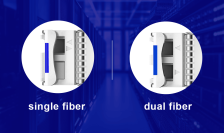
I transceiver a fibra singola, come il transceiver Bidi, utilizzano una sola fibra per i dati bidirezionali, mentre i transceiver a doppia fibra richiedono due fibre per TX e RX separate.
I connettori RJ45 integrati LINK-PP offrono magnetics integrati, schermatura EMI, supporto PoE e velocità Ethernet elevate, garantendo reti affidabili ed efficienti.
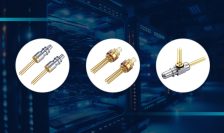
COB, BOX, and TO-CAN packaging impact optical devices by balancing size, cost, and reliability. Learn how COB excels in compact, high-speed applications.
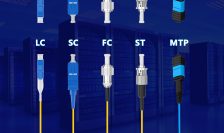
Esplora i tipi comuni di connettori in fibra ottica, come SC, LC, ST, FC e MPO/MTP, le loro caratteristiche e le applicazioni nei transceiver ottici per reti efficienti.
Ensure reliable optical transceiver performance with regular tests for metrics like BER, extinction ratio, and receiver sensitivity to avoid network disruptions.
TOSA, ROSA, and BOSA are key components in optical transceivers, enabling high-speed data transmission, reception, and bidirectional communication in modern networks.
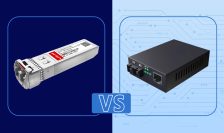
Compare optical transceivers and fiber media converters to understand their roles, advantages, and use cases in modern networking and data transmission.
Understand the operating temperature range of optical transceivers, including commercial (0°C-70°C), extended (-20°C-85°C), and industrial (-40°C-85°C) grades.
What Frame Check Sequence (FCS) means, how CRC-32 detects corrupted Ethernet frames, and why FCS errors are commonly associated with cable faults, fiber issues, or optical transceiver problems.
Discover how optical cross‑connect (OXC) enables all‑optical switching in DWDM/OTN networks, with LINK‑PP SFP modules ensuring seamless integration and superior performance.
Learn what Dispersion Compensation Fiber (DCF) is, how it reduces chromatic dispersion, where it is used, and why it matters in modern optical networks.
Learn what OEO means in optical communication, how optical-electrical-optical regeneration works, and when it is used in DWDM networks and optical links. Keywords:
Learn what a Fiber Optical Light Source is, how it works, its types, and how to choose the right one for accurate fiber testing and network performance.
Discover the LQ‑SW40‑SR4C 40GBASE‑SR module: high-speed, low-power, QSFP+ optics for multimode fibre networks. Perfect for data centres and network upgrades.
Learn what hyperconverged infrastructure HCI is, how it compares with virtualization and dHCI, and when Nutanix, Sangfor, or SFP-based designs fit best.
Understand SFP+ 40km (10GBASE-ER) modules, including specs, SMF compatibility, and how to choose the right extended-reach optical transceiver for your network.