Esplora i ruoli dei router di commutazione di etichette (LSR) e dei router di bordo di etichette (LER) nelle reti MPLS. Scopri le loro funzioni, le differenze tra loro e come i prodotti LINK-PP supportano percorsi commutati tramite etichette ad alta velocità e affidabili.
Esplora i percorsi commutati per etichetta (LSP) nelle reti MPLS — definizione, funzionamento e applicazioni nel settore delle telecomunicazioni e nei data center. Scopri come i componenti LINK-PP migliorano l'affidabilità della rete.
Magjack industriale RJ45 LPJ4014CNL offre una protezione EMI robusta, contatti in oro e certificazioni, assicurando una connettività IoT affidabile in qualsiasi ambiente.
Risolvi i problemi comuni nelle reti dei data center, tra cui interruzioni del servizio, velocità ridotte ed errori di configurazione, con pratici consigli per il troubleshooting.
L’interoperabilità nelle reti significa che dispositivi e sistemi provenienti da diversi produttori possono connettersi, condividere dati e funzionare insieme in modo senza soluzione di continuità utilizzando standard comuni.
Scopri le differenze tra le architetture di rete P2P, P2MP, MP2P e MP2MP. Scopri come i transceiver ottici LINK-PP abilitano una connettività efficiente e ad alta velocità.
Scopri come il ROADM consente l’instradamento flessibile delle lunghezze d’onda nelle reti DWDM. Scopri i transceiver ottici compatibili LINK-PP per un’integrazione senza soluzione di continuità.
La dispersione cromatica (CD) nelle fibre ottiche causa la diffusione del segnale, influenzando chiarezza e velocità. Scopri come la CD impatta le reti e i metodi per gestirla.
Il Central Management Server semplifica la gestione dei server, consentendo un controllo sicuro e centralizzato, aggiornamenti e monitoraggio per più sistemi in un unico luogo.
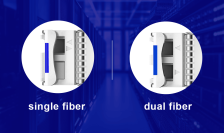
I transceiver a fibra singola, come il transceiver Bidi, utilizzano una sola fibra per i dati bidirezionali, mentre i transceiver a doppia fibra richiedono due fibre per TX e RX separate.
I connettori RJ45 integrati LINK-PP offrono magnetics integrati, schermatura EMI, supporto PoE e velocità Ethernet elevate, garantendo reti affidabili ed efficienti.
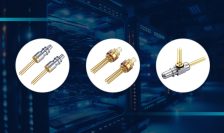
COB, BOX, and TO-CAN packaging impact optical devices by balancing size, cost, and reliability. Learn how COB excels in compact, high-speed applications.
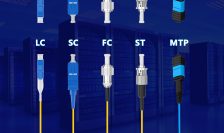
Esplora i tipi comuni di connettori in fibra ottica, come SC, LC, ST, FC e MPO/MTP, le loro caratteristiche e le applicazioni nei transceiver ottici per reti efficienti.
Ensure reliable optical transceiver performance with regular tests for metrics like BER, extinction ratio, and receiver sensitivity to avoid network disruptions.
TOSA, ROSA, and BOSA are key components in optical transceivers, enabling high-speed data transmission, reception, and bidirectional communication in modern networks.
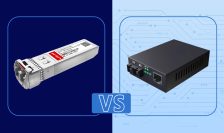
Compare optical transceivers and fiber media converters to understand their roles, advantages, and use cases in modern networking and data transmission.
Understand the operating temperature range of optical transceivers, including commercial (0°C-70°C), extended (-20°C-85°C), and industrial (-40°C-85°C) grades.
What Frame Check Sequence (FCS) means, how CRC-32 detects corrupted Ethernet frames, and why FCS errors are commonly associated with cable faults, fiber issues, or optical transceiver problems.
Discover how optical cross‑connect (OXC) enables all‑optical switching in DWDM/OTN networks, with LINK‑PP SFP modules ensuring seamless integration and superior performance.
Learn what Dispersion Compensation Fiber (DCF) is, how it reduces chromatic dispersion, where it is used, and why it matters in modern optical networks.
Learn what OEO means in optical communication, how optical-electrical-optical regeneration works, and when it is used in DWDM networks and optical links. Keywords:
Discover the LQ‑SW40‑SR4C 40GBASE‑SR module: high-speed, low-power, QSFP+ optics for multimode fibre networks. Perfect for data centres and network upgrades.
Learn what hyperconverged infrastructure HCI is, how it compares with virtualization and dHCI, and when Nutanix, Sangfor, or SFP-based designs fit best.