La compensazione della dispersione nei sistemi ottici corregge la dispersione cromatica, garantendo segnali chiari e accurati nelle applicazioni di comunicazione e di imaging su fibra ottica.
Scopri come il transceiver SFP+ DWDM LS-DW4010-40I di LINK-PP migliora il fronthaul e il backhaul LTE con velocità 10G, portata di 40 km e prestazioni a temperatura industriale.
Scopri come funzionano le reti multipunto-a-multipunto (MP2MP), i loro vantaggi e le applicazioni nelle comunicazioni ottiche. Scopri i moduli ottici LINK-PP che supportano i sistemi MP2MP.
Scopri cos’è l’architettura multipunto-a-punto (MP2P), come funziona e come i transceiver ottici LINK-PP migliorano l’efficienza dei dati nelle moderne reti in fibra.
Il monitoraggio remoto della rete consente la gestione, la sicurezza e la risoluzione dei problemi della rete in tempo reale da qualsiasi posizione, supportando sia i team remoti che i siti multipli.
Riduci il jitter nelle reti ottiche ottimizzando il design, utilizzando QoS, aggiornando l'hardware e monitorando le prestazioni per connessioni stabili e a bassa latenza.
La telemetria di rete in banda (In-band Network Telemetry) incorpora dati di monitoraggio in tempo reale in ciascun pacchetto, consentendo informazioni istantanee sulla rete, la risoluzione dei problemi e l’analisi delle prestazioni.
Il Protocollo semplice di gestione della rete (SNMP) consente un monitoraggio e una gestione efficienti dei dispositivi di rete, migliorando visibilità, controllo e sicurezza.
La rete basata sull’intento automatizza la gestione della rete, allinea le operazioni con gli obiettivi aziendali e potenzia la sicurezza mediante intelligenza artificiale e analisi dati.
Il jitter nelle applicazioni ottiche causa sfocatura dell’immagine ed errori nei dati nei sistemi ottici. Scopri i suoi tipi, gli effetti, le cause e i metodi per misurarlo e ridurlo.
What are SFP ports on a switch? Learn how SFP ports support fiber and Ethernet connections, how they compare with RJ45 and SFP+, and which module you need.
An SGMII SFP transceiver enables fast Ethernet connections over copper or fiber, supporting flexible speeds and device compatibility in modern networks.
What Frame Check Sequence (FCS) means, how CRC-32 detects corrupted Ethernet frames, and why FCS errors are commonly associated with cable faults, fiber issues, or optical transceiver problems.
Discover how optical cross‑connect (OXC) enables all‑optical switching in DWDM/OTN networks, with LINK‑PP SFP modules ensuring seamless integration and superior performance.
Learn what Dispersion Compensation Fiber (DCF) is, how it reduces chromatic dispersion, where it is used, and why it matters in modern optical networks.
Learn what OEO means in optical communication, how optical-electrical-optical regeneration works, and when it is used in DWDM networks and optical links. Keywords:
Learn what a Fiber Optical Light Source is, how it works, its types, and how to choose the right one for accurate fiber testing and network performance.
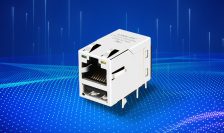
Il connettore Combo RJ45 USB di LINK-PP, LPJU3102ABNL, unisce Ethernet e USB, offrendo robustezza, schermatura EMI e indicatori LED per reti 10/100 Base-T.
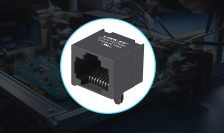
Il connettore RJ45 LPJE101NNL 8P8C offre una connettività Ethernet 10/100 Base-T affidabile, con contatti placcati in oro, design compatto e conformità agli standard IEEE 802.3.
I transceiver LINK-PP da 100G garantiscono connettività ad alta velocità, efficienza energetica e integrazione senza interruzioni, rendendoli ideali per reti moderne e data center.
Scopri come scegliere i migliori trasceivers ottici LINK-PP da 10 G per la tua rete, valutando efficacemente compatibilità, prestazioni, costo e scalabilità.
Scopri le principali specifiche elettriche, meccaniche e ambientali dei connettori RJ45 integrati per selezionare la soluzione più adatta alle tue applicazioni Ethernet.
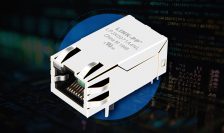
Analisi del magjack RJ45 LINK-PP LPJK0071AINL 100/1000 Base-T, con particolare attenzione alle sue magnetics integrate, alla schermatura EMI e alle prestazioni Ethernet ad alta velocità.
I moduli SFP in rame consentono una trasferimento dati ad alta velocità e a basso costo su brevi distanze utilizzando cavi in rame esistenti, ideali per uffici e centri dati.
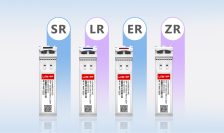
Understand optical transceiver terminology like SR, LR, ER, and ZR to choose the right module for your network's speed, distance, and compatibility needs.
The LINK-PP LQD-CW400-LR4C 400G QSFP-DD LR4 Transceiver offers 10km range, 400Gbps speed, and energy efficiency, ideal for data centers and enterprise networks.
Il transceiver DWDM LINK-PP LS-DW2810-40I offre velocità di 10 Gbps, portata di 40 km, efficienza energetica e compatibilità con i principali marchi per una connettività di rete senza interruzioni.
Subscribe to LINK-PP
newsletter
Don’t miss anything. Get all the latest posts delivered straight to your inbox.