Il Domain Name System (DNS) converte i nomi di dominio negli indirizzi IP, consentendo ai dispositivi di connettersi rapidamente e in modo affidabile ai siti web e ai servizi online.
Il software open source consente a chiunque di utilizzare, modificare e condividere liberamente il codice, offrendo flessibilità, collaborazione e innovazione guidata dalla comunità.
Esplora lo standard IEEE 802.3by per l’Ethernet 25GBASE. Conosci le specifiche, i tipi di supporto, gli scenari applicativi e come i moduli SFP28 LINK-PP supportano reti 25GbE affidabili.
Scopri come i moduli ottici SFP28 25GBASE-SR abilitano collegamenti server-a-switch a breve distanza e ad alta densità nei data center moderni, inclusi i valori di portata su OM3/OM4, i laser VCSEL e le migliori pratiche di implementazione.
Il transceiver SFP28 offre velocità 25G, basso consumo energetico, ampia compatibilità e prestazioni affidabili per reti data center efficienti e pronte per il futuro.
Esplora come i sistemi di controllo distribuito (DCS) potenziano l’automazione industriale con loop di controllo affidabili, monitoraggio in tempo reale ed efficienza di processo migliorata — elementi fondamentali per gli impianti moderni.
Scopri cos’è un’unità terminale remota (RTU), come funziona nei sistemi SCADA, i principali protocolli (Modbus, DNP3, IEC), le pratiche di cybersecurity e le considerazioni relative all’hardware Ethernet industriale.
Un monitor ottico dei canali misura la potenza del canale, la lunghezza d’onda e l’OSNR nelle reti in fibra ottica, garantendo prestazioni affidabili e una rapida individuazione dei problemi.
Guida chiara e pratica allo standard SFF-8431 — l’interfaccia elettrica SFP+ da 10G. Scopri i requisiti fondamentali, le considerazioni progettuali e in che modo i moduli SFP da 10G LINK-PP sono conformi.
Il LQ-BL859140-SRC offre un valore superiore, una compatibilità più ampia e velocità più elevate rispetto al Cisco QSFP-40G-SR-BD per le tue esigenze di aggiornamento della rete.
Le assemblaggi a gabbia per fibre ottiche di LINK-PP offrono soluzioni ad alta densità, schermate contro le interferenze elettromagnetiche (EMI) e con gestione termica per soddisfare i requisiti del fattore di forma dei transceiver 400G.
I transceiver ottici LINK-PP offrono piena compatibilità con gli switch Cisco Catalyst 9300, garantendo prestazioni affidabili ed espansione della rete a costi contenuti.
Esplora lo standard IEEE 802.3bt (PoE++) che fornisce fino a 100 W tramite Ethernet. Scopri le sue caratteristiche principali, i tipi di alimentazione e le applicazioni con le soluzioni LINK-PP per magnetics PoE++.
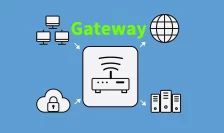
Scopri cos’è un gateway di rete, come funziona e perché è essenziale per collegare reti diverse. Comprendi le funzioni del gateway, i diversi tipi e le applicazioni pratiche nei moderni sistemi di comunicazione.
Confronta i moduli 10G SFP+ a lungo raggio e a corto raggio in base alla distanza, al tipo di fibra e al costo, per scegliere la soluzione migliore per le tue esigenze di rete.
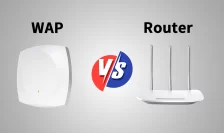
Scopri le differenze tra un punto di accesso wireless (WAP) e un router, i loro casi d’uso nelle reti domestiche e aziendali, e come i connettori PoE RJ45 LINK‑PP LPJK6072AONL supportano i deployment WAP.
I moduli ottici 10G a lunga portata consentono trasferimenti dati ad alta velocità su distanze fino a 80 km. Scopri i tipi, le specifiche, la compatibilità e come scegliere il modulo giusto.
Scopri cosa significa IEEE 802.3af (PoE), come fornisce fino a 15,4 W di potenza attraverso cavi Ethernet e le sue principali applicazioni. Scopri i magnetics LINK-PP PoE RJ45 per una fornitura di potenza stabile.
Un transceiver ottico 10G a corto raggio consente il trasferimento rapido e affidabile di dati fino a 300 m tramite fibra multimodale, ideale per data center e reti aziendali.
Scopri cos’è l’archiviazione cloud, come funziona e perché le aziende vi fanno affidamento per una gestione sicura e scalabile dei dati. Scopri applicazioni e soluzioni reali.
What Frame Check Sequence (FCS) means, how CRC-32 detects corrupted Ethernet frames, and why FCS errors are commonly associated with cable faults, fiber issues, or optical transceiver problems.
Discover how optical cross‑connect (OXC) enables all‑optical switching in DWDM/OTN networks, with LINK‑PP SFP modules ensuring seamless integration and superior performance.
Learn what Dispersion Compensation Fiber (DCF) is, how it reduces chromatic dispersion, where it is used, and why it matters in modern optical networks.
Learn what OEO means in optical communication, how optical-electrical-optical regeneration works, and when it is used in DWDM networks and optical links. Keywords:
Discover the LQ‑SW40‑SR4C 40GBASE‑SR module: high-speed, low-power, QSFP+ optics for multimode fibre networks. Perfect for data centres and network upgrades.
Learn what hyperconverged infrastructure HCI is, how it compares with virtualization and dHCI, and when Nutanix, Sangfor, or SFP-based designs fit best.
Understand SFP+ 40km (10GBASE-ER) modules, including specs, SMF compatibility, and how to choose the right extended-reach optical transceiver for your network.