Il Domain Name System (DNS) converte i nomi di dominio negli indirizzi IP, consentendo ai dispositivi di connettersi rapidamente e in modo affidabile ai siti web e ai servizi online.
Il software open source consente a chiunque di utilizzare, modificare e condividere liberamente il codice, offrendo flessibilità, collaborazione e innovazione guidata dalla comunità.
Esplora lo standard IEEE 802.3by per l’Ethernet 25GBASE. Conosci le specifiche, i tipi di supporto, gli scenari applicativi e come i moduli SFP28 LINK-PP supportano reti 25GbE affidabili.
Scopri come i moduli ottici SFP28 25GBASE-SR abilitano collegamenti server-a-switch a breve distanza e ad alta densità nei data center moderni, inclusi i valori di portata su OM3/OM4, i laser VCSEL e le migliori pratiche di implementazione.
Il transceiver SFP28 offre velocità 25G, basso consumo energetico, ampia compatibilità e prestazioni affidabili per reti data center efficienti e pronte per il futuro.
Esplora come i sistemi di controllo distribuito (DCS) potenziano l’automazione industriale con loop di controllo affidabili, monitoraggio in tempo reale ed efficienza di processo migliorata — elementi fondamentali per gli impianti moderni.
Scopri cos’è un’unità terminale remota (RTU), come funziona nei sistemi SCADA, i principali protocolli (Modbus, DNP3, IEC), le pratiche di cybersecurity e le considerazioni relative all’hardware Ethernet industriale.
Un monitor ottico dei canali misura la potenza del canale, la lunghezza d’onda e l’OSNR nelle reti in fibra ottica, garantendo prestazioni affidabili e una rapida individuazione dei problemi.
Guida chiara e pratica allo standard SFF-8431 — l’interfaccia elettrica SFP+ da 10G. Scopri i requisiti fondamentali, le considerazioni progettuali e in che modo i moduli SFP da 10G LINK-PP sono conformi.
Il LQ-BL859140-SRC offre un valore superiore, una compatibilità più ampia e velocità più elevate rispetto al Cisco QSFP-40G-SR-BD per le tue esigenze di aggiornamento della rete.
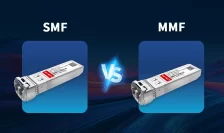
Il transceiver ottico SMF offre collegamenti a lunga distanza e ad alta velocità, mentre il MMF è adatto a collegamenti brevi ed economici. Scegli in base alle esigenze della tua rete.
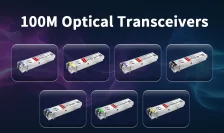
Scegli il giusto trascevitore ottico da 100 M verificando compatibilità, tipo di fibra, lunghezza d’onda, distanza, velocità dati, connettore e affidabilità.
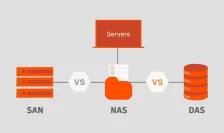
Confronta DAS, NAS e SAN per individuare la soluzione di storage dati più adatta in termini di velocità, scalabilità, affidabilità e costo, in base alle tue esigenze aziendali o personali.
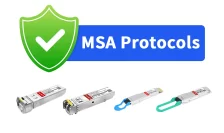
Esplora i protocolli MSA più comuni utilizzati nei transceiver ottici. Impara tutto su SFP, SFP+, QSFP, CFP e altri—oltre a come i moduli compatibili LINK-PP garantiscono prestazioni affidabili.
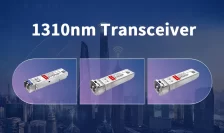
Scopri come i moduli ottici a 1310 nm svolgono ruoli essenziali nei data center, nelle reti metropolitane e nei collegamenti aziendali. Impara gli scenari d’uso ed esplora i moduli affidabili LINK-PP.
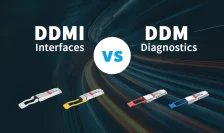
Esplora le differenze tra DDMI (interfaccia) e DDM (diagnostica) nei transceiver ottici. Scopri come ciascuno supporta il monitoraggio in tempo reale e come i prodotti LINK-PP li sfruttano.
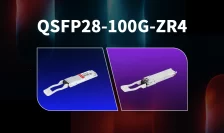
Il transceiver QSFP28-100G-ZR4 consente la trasmissione dati a 100 G a distanze fino a 80 km tramite fibra monomodale, ideale per connessioni di rete ad alta velocità su lunga distanza.
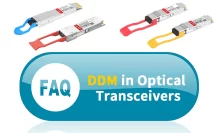
Risolvi rapidamente i problemi dei transceiver ottici con il Monitoraggio Diagnostico Digitale. Monitora i dati in tempo reale per rilevare tempestivamente i guasti e garantire l'affidabilità della rete.
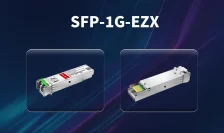
Cos’è lo sfp-1g-ezx? È un modulo SFP da 1 G per collegamenti in fibra a lunga distanza e affidabili fino a 100 km, compatibile con molti dispositivi per connessioni di rete robuste.
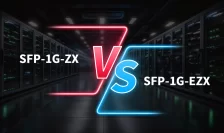
Confronta sfp-1g-zx rispetto a sfp-1g-ezx per le fibre a lunga distanza. Scopri quale SFP soddisfa l’intervallo della tua rete, da 80 km a 120 km, e garantisce collegamenti gigabit affidabili.
What Frame Check Sequence (FCS) means, how CRC-32 detects corrupted Ethernet frames, and why FCS errors are commonly associated with cable faults, fiber issues, or optical transceiver problems.
Discover how optical cross‑connect (OXC) enables all‑optical switching in DWDM/OTN networks, with LINK‑PP SFP modules ensuring seamless integration and superior performance.
Learn what Dispersion Compensation Fiber (DCF) is, how it reduces chromatic dispersion, where it is used, and why it matters in modern optical networks.
Learn what OEO means in optical communication, how optical-electrical-optical regeneration works, and when it is used in DWDM networks and optical links. Keywords:
Learn what a Fiber Optical Light Source is, how it works, its types, and how to choose the right one for accurate fiber testing and network performance.
Discover the LQ‑SW40‑SR4C 40GBASE‑SR module: high-speed, low-power, QSFP+ optics for multimode fibre networks. Perfect for data centres and network upgrades.
Learn what hyperconverged infrastructure HCI is, how it compares with virtualization and dHCI, and when Nutanix, Sangfor, or SFP-based designs fit best.
Understand SFP+ 40km (10GBASE-ER) modules, including specs, SMF compatibility, and how to choose the right extended-reach optical transceiver for your network.