I moduli ottici consentono collegamenti a velocità elevate e bassa latenza per i fronthaul, midhaul e backhaul. Scopri come i tipi di trasmissore, gli standard e le esigenze di installazione definiscono le reti di telecomunicazioni moderne.
Scopri il LINK-PP LS-MM8510-S3C, sostituzione conforme allo standard MSA 100% e pienamente compatibile con il Juniper EX-SFP-10GE-SR. Risparmia fino al 60% senza compromettere le prestazioni. Include supporto DDM/DOM. Ideale per reti data center ed enterprise.
Explore what a telecom network is, how it works, and its role in 5G. Learn opportunities, challenges, and how LINK‑PP solutions support next-gen networks.
Esplora come le soluzioni di connettività RJ45 Magjack da LINK-PP migliorano l'infrastruttura delle telecomunicazioni, aumentando la affidabilità, il supporto PoE e l'integrazione per le reti del futuro.
Scopri come TSN (Time-Sensitive Networking) garantisce una consegna deterministica, a bassa latenza e affidabile dei dati nelle reti Ethernet per l’Industria 4.0 e il settore automobilistico.
Massimizza l’efficienza della rete con LS-Scopri consigli pratici e linee guida per le migliori pratiche di implementazione del modulo BiDi SFP+ LINK-PP LS-BL332710-60C da 10G (60 km). Impara quando scegliere la tecnologia BiDi, come verificare i collegamenti e utilizzare gli elenchi di controllo per l’implementazione.
Il Machine Learning (ML) consente ai computer di apprendere dai dati, identificare schemi e formulare previsioni, alimentando strumenti come gli assistenti vocali e i sistemi di raccomandazione.
VRF vs VLAN illustra le principali differenze, gli scenari d’uso e i vantaggi in termini di sicurezza di ciascun metodo di segmentazione della rete, per aiutarti a scegliere la soluzione più adatta.
Scopri cosa definisce l’SFP28 MSA (Small Form-factor Pluggable 28 Multi-Source Agreement), perché è fondamentale per l’Ethernet 25G e come garantisce l’interoperabilità dei moduli.
Il Virtual Routing and Forwarding (VRF) consente di disporre di più tabelle di routing private su un singolo dispositivo, migliorando la sicurezza della rete, la segmentazione e la gestione del traffico.
I moduli ottici tunabili DWDM offrono flessibilità, risparmi sui costi e scalabilità regolando dinamicamente le lunghezze d’onda per le moderne reti ottiche.
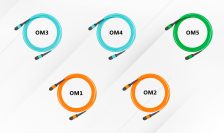
Comprendi i parametri chiave dei moduli ottici, inclusi la velocità di trasmissione, la distanza, la lunghezza d’onda e la compatibilità con la fibra, per prestazioni di rete migliori.
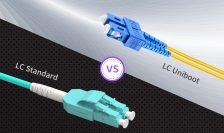
Confronta i cavi uniboot LC e i cavi LC standard per il risparmio di spazio, la gestione della polarità e i costi. Scopri quale si adatta meglio alle esigenze e alla configurazione della tua rete.
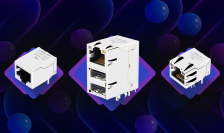
I codici articolo LINK-PP per connettori RJ45 definiscono la serie, il tipo, lo schema, la progettazione meccanica, i colori LED e la conformità RoHS per una facile identificazione del prodotto.
I trasceivers ottici industriali da 100 G garantiscono una trasmissione dati ad alta velocità e affidabile in ambienti ostili, rendendoli fondamentali per l’infrastruttura di rete moderna.
AON vs PON: confronta le reti ottiche attive e passive. Scopri come l’AON offre larghezza di banda elevata e copertura su lunghe distanze, mentre la PON è un’opzione economica per le reti FTTH.
Scopri i tipi, le caratteristiche e i vantaggi dei moduli PON, inclusi i dispositivi OLT, ONU e ONT, i protocolli di trasmissione e la scalabilità per le reti in fibra.
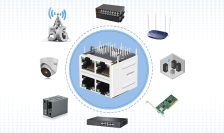
I connettori RJ45 sono essenziali per le reti Ethernet, consentendo un trasferimento dati stabile nelle LAN, il collegamento di dispositivi come router e switch e il supporto di comunicazioni ad alta velocità.
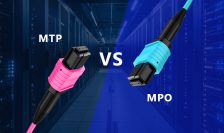
Confronta i connettori MTP e MPO per trovare la soluzione migliore per la tua rete. Scopri come i connettori MTP offrono prestazioni superiori, scalabilità e affidabilità.
What Frame Check Sequence (FCS) means, how CRC-32 detects corrupted Ethernet frames, and why FCS errors are commonly associated with cable faults, fiber issues, or optical transceiver problems.
Discover how optical cross‑connect (OXC) enables all‑optical switching in DWDM/OTN networks, with LINK‑PP SFP modules ensuring seamless integration and superior performance.
Learn what Dispersion Compensation Fiber (DCF) is, how it reduces chromatic dispersion, where it is used, and why it matters in modern optical networks.
Learn what OEO means in optical communication, how optical-electrical-optical regeneration works, and when it is used in DWDM networks and optical links. Keywords:
Discover the LQ‑SW40‑SR4C 40GBASE‑SR module: high-speed, low-power, QSFP+ optics for multimode fibre networks. Perfect for data centres and network upgrades.
Learn what hyperconverged infrastructure HCI is, how it compares with virtualization and dHCI, and when Nutanix, Sangfor, or SFP-based designs fit best.
Understand SFP+ 40km (10GBASE-ER) modules, including specs, SMF compatibility, and how to choose the right extended-reach optical transceiver for your network.
Subscribe to LINK-PP
newsletter
Don’t miss anything. Get all the latest posts delivered straight to your inbox.