Semiconductor material properties determine optical module speed, efficiency, and reliability by affecting bandgap, carrier mobility, and thermal conductivity.
Explore how Smart Industry 4.0 Networks enable intelligent manufacturing through high-speed Ethernet, fibre optics, IIoT, and edge computing integration.
Learn what the SFF-8402 specification is, how it defines the SFP28 interface standard, and why it is essential for 25G / 28G optical module interoperability and system reliability.
Il protocollo Hypertext Transfer Protocol consente una navigazione web veloce permettendo a browser e server di scambiare testo, immagini e video in modo sicuro ed efficiente.
Scopri come i moduli ottici migliorano le prestazioni dei sistemi PLC, abilitando comunicazioni ad alta velocità e su lunghe distanze e reti affidabili per l’automazione industriale.
Esplora come i connettori RJ45 Magjack abilitano una comunicazione Ethernet robusta tra PLC e host SCADA nell’automazione industriale, garantendo l’integrità del segnale e l’affidabilità del sistema.
L’identificatore di rete VXLAN (VNI) è un ID di segmento univoco a 24 bit che consente la segmentazione e l’isolamento scalabili della rete negli ambienti di grandi dimensioni basati su VXLAN.
Il rilevamento dei guasti dell’uplink identifica rapidamente i guasti del collegamento di rete, consentendo una risposta tempestiva per prevenire tempi di inattività e mantenere la continuità operativa.
Open System Interconnect spiega i sette livelli OSI, mostrando come i dispositivi comunicano e assicurando l'interoperabilità negli ambienti di rete moderni.
Scopri come i moduli ottici LINK-PP 25G SFP28 potenziano i data center iperscalari con elevata larghezza di banda, bassa latenza ed efficienza energetica. Scopri i principali vantaggi e i casi d’uso.
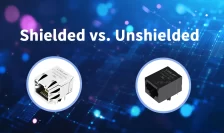
Connettori RJ45 schermati vs. non schermati: confronta protezione, costo e migliori utilizzi per scegliere i connettori RJ45 più adatti al tuo ambiente di rete.
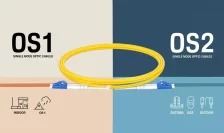
Fibra monomodale: OS1 vs. OS2 — confronta costruzione, attenuazione e distanza per scegliere la fibra più adatta per installazioni di rete interne o esterne.
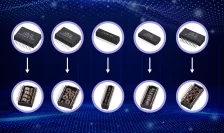
I trasformatori LAN SMT offrono dimensioni compatte, riduzione delle interferenze elettromagnetiche (EMI) e trasmissione dati affidabile per dispositivi LAN. Esamina consigli progettuali e le principali applicazioni nel settore delle reti.
L’IoT (Internet delle Cose) collega dispositivi per condividere dati, abilitando azioni intelligenti nelle abitazioni, nell’assistenza sanitaria, nell’industria e nelle città, con esempi pratici.
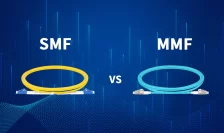
Comprendi la differenza tra i tipi di fibra: la monomodale garantisce lunghe distanze e larghezza di banda elevata, mentre la multimodale è adatta a collegamenti brevi e costi inferiori.
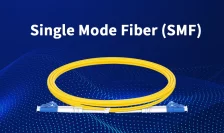
La fibra monomodale utilizza un nucleo piccolo per trasmettere un singolo percorso luminoso, consentendo trasmissioni dati ad alta velocità su lunghe distanze con perdita di segnale minima e bassa dispersione.
Le applicazioni del modulo ottico 1x9 includono l’automazione industriale, il backhaul telecom e l’aggiornamento di reti legacy per collegamenti dati affidabili ed economici.
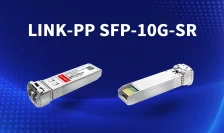
Lo SFP-10G-SR consente connessioni brevi, veloci e affidabili nei data center, nelle reti aziendali e negli ambienti campus, utilizzando fibra multimodale.
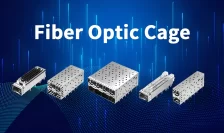
una gabbia per fibra ottica (spesso chiamata gabbia SFP), la sua funzione principale è fornire l’interfaccia fisica ed elettrica necessaria per collegare un trasceviver ottico
What Frame Check Sequence (FCS) means, how CRC-32 detects corrupted Ethernet frames, and why FCS errors are commonly associated with cable faults, fiber issues, or optical transceiver problems.
Discover how optical cross‑connect (OXC) enables all‑optical switching in DWDM/OTN networks, with LINK‑PP SFP modules ensuring seamless integration and superior performance.
Learn what Dispersion Compensation Fiber (DCF) is, how it reduces chromatic dispersion, where it is used, and why it matters in modern optical networks.
Learn what OEO means in optical communication, how optical-electrical-optical regeneration works, and when it is used in DWDM networks and optical links. Keywords:
Discover the LQ‑SW40‑SR4C 40GBASE‑SR module: high-speed, low-power, QSFP+ optics for multimode fibre networks. Perfect for data centres and network upgrades.
Learn what hyperconverged infrastructure HCI is, how it compares with virtualization and dHCI, and when Nutanix, Sangfor, or SFP-based designs fit best.
Understand SFP+ 40km (10GBASE-ER) modules, including specs, SMF compatibility, and how to choose the right extended-reach optical transceiver for your network.