La sensibilità del ricevitore indica il segnale più basso che un dispositivo è in grado di rilevare. Scopri come influisce sulla qualità della connessione e cosa significano i valori per le prestazioni del tuo dispositivo.
Il sovraccarico del ricevitore si verifica quando i segnali sono troppo forti, causando distorsione, arresti improvvisi o danni all’equipaggiamento. Scopri cause, sintomi e consigli per la prevenzione.
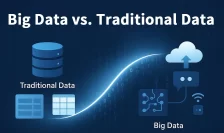
Learn the differences between Big Data and Traditional Data, including scale, speed, complexity, and infrastructure needs. Discover how optical modules enable modern Big Data workloads.
Scopri cos’è il Big Data, le sue caratteristiche 5V, le applicazioni nel mondo reale, le tecnologie correlate e le tendenze future. Impara come i transceiver ottici supportano le reti Big Data.
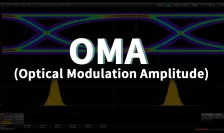
Impara cosa significa OMA (Optical Modulation Amplitude) nelle comunicazioni ottiche, come calcolarla da P₁/P₀ e dal rapporto di estinzione, e perché è fondamentale nelle specifiche dei transceiver, ad esempio nei moduli LINK-PP SFP.
La guida completa sui database tratta concetti fondamentali, tipologie, progettazione e best practice per scegliere, gestire e ottimizzare i moderni sistemi di database.
Scopri come i trascevitori SFP/SFP+ ad alte prestazioni di LINK-PP abilitano connettività a bassa latenza e scalabile per database moderni e data center. Esplora le specifiche tecniche, gli scenari d’uso e i consigli per l’integrazione.
EPON fornisce internet veloce e affidabile utilizzando cavi in fibra ottica con una progettazione semplice ed economica, rendendolo ideale per le abitazioni e le aziende che cercano un accesso ad alta velocità.
Il GPON fornisce internet ad alta velocità, telefonia e TV tramite cavi in fibra ottica, offrendo una connettività broadband affidabile ed economica per case e aziende.
L’open networking consente reti flessibili e indipendenti dal fornitore separando hardware e software, offrendo maggiore controllo, scelta ed efficienza dei costi.
Un divisore ottico in fibra suddivide o combina segnali luminosi nelle reti ottiche, migliorando flusso dati, affidabilità e flessibilità della rete per varie applicazioni.
L’ottica aperta e la disaggregazione nelle reti dei data center riducono i costi, aumentano la flessibilità e migliorano le prestazioni, riducendo al contempo il vincolo verso un singolo fornitore e il consumo energetico.
I test di invecchiamento e di “burn-in” garantiscono l'affidabilità dei transceiver ottici rilevando precocemente i guasti, migliorando le prestazioni ed estendendo la durata utile del modulo.
L’ottica plug-in offre aggiornamenti flessibili, mentre l’ottica integrata sulla scheda garantisce velocità più elevate e maggiore integrazione. Confronta entrambe per valutare le esigenze del tuo data center.
Scopri come il guasto TX e la perdita del segnale RX influenzano i transceiver ottici. Questa guida ne spiega le funzioni, le cause comuni e i passaggi pratici per la risoluzione dei problemi.
Scopri come abbinare i moduli SFP allo switch o al convertitore di supporto verificando compatibilità, velocità, tipo di fibra, lunghezza d’onda e distanza. Una guida chiara e pratica.
La selezione di moduli SFP industriali richiede la verifica di compatibilità, budget di collegamento, classe di temperatura, DDM (SFF-8472) e assistenza del fornitore. Guida pratica per reti robuste.
L’ottica integrata migliora la velocità dei dati, l’efficienza energetica e la densità dei canali per data center, supercomputer e sistemi di rete avanzati.
L’ottica inseribile consente aggiornamenti flessibili ed economici delle reti e connessioni ad alta velocità, con l’ottica inseribile lineare che potenzia le prestazioni dell’intelligenza artificiale e dei data center.
What Frame Check Sequence (FCS) means, how CRC-32 detects corrupted Ethernet frames, and why FCS errors are commonly associated with cable faults, fiber issues, or optical transceiver problems.
Discover how optical cross‑connect (OXC) enables all‑optical switching in DWDM/OTN networks, with LINK‑PP SFP modules ensuring seamless integration and superior performance.
Learn what Dispersion Compensation Fiber (DCF) is, how it reduces chromatic dispersion, where it is used, and why it matters in modern optical networks.
Learn what OEO means in optical communication, how optical-electrical-optical regeneration works, and when it is used in DWDM networks and optical links. Keywords:
Discover the LQ‑SW40‑SR4C 40GBASE‑SR module: high-speed, low-power, QSFP+ optics for multimode fibre networks. Perfect for data centres and network upgrades.
Learn what hyperconverged infrastructure HCI is, how it compares with virtualization and dHCI, and when Nutanix, Sangfor, or SFP-based designs fit best.
Understand SFP+ 40km (10GBASE-ER) modules, including specs, SMF compatibility, and how to choose the right extended-reach optical transceiver for your network.