Scopri cos’è una PCB (Printed Circuit Board), la sua struttura, i suoi tipi e le sue applicazioni nell’elettronica. Esplora le soluzioni RJ45 e MagJack basate su PCB di LINK-PP.
Confronta i trascevitori 10G SFP+ LR e 25G SFP28 LR a 1310 nm per collegamenti su fibra monomodale (SMF) fino a 10 km. Scopri le differenze in termini di throughput, consumo energetico, tipo di laser, costo e quando procedere all’aggiornamento. Esplora i modelli LINK-PP.
Esplora i componenti essenziali e i tipi di server, inclusi i server rack, blade e le infrastrutture iperconvergenti. Scopri come i server alimentano i moderni sistemi IT e supportano le aziende in tutto il mondo.
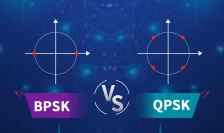
La modulazione BPSK utilizza due stati di fase per trasmettere dati digitali in modo affidabile, offrendo un'elevata resistenza al rumore e una progettazione del sistema semplice.
La modulazione QPSK trasmette due bit per simbolo, aumentando le velocità di trasmissione dati e l'affidabilità nei sistemi di comunicazione wireless, satellitare e digitale.
Confronta la modulazione BPSK e QPSK per scegliere lo schema più adatto in termini di immunità al rumore, velocità di trasmissione dati ed efficienza di banda.
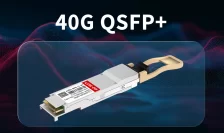
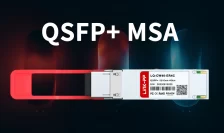
Sblocca il potenziale dello standard QSFP+ MSA: uno standard multi-vendor per i transceiver 40G che garantisce un’interoperabilità perfetta. Scopri le opzioni LINK-PP per transceiver 40G QSFP+, come SR4, LR4 e FR4.
Explore the IEEE 802.3ba standard—defining both 40GbE & 100GbE—its technical design and applications, plus how LINK-PP’s 40G QSFP+ modules align perfectly with this high-speed Ethernet evolution.
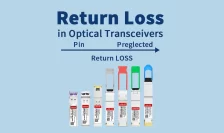
Comprendi la perdita di ritorno ottica nei transceiver, perché è fondamentale per la stabilità della rete e come i moduli LINK-PP offrano elevate prestazioni RL.
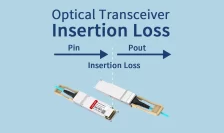
Scopri cos’è la perdita di inserzione del transceiver ottico, come influisce sui budget di collegamento, sul BER e sulla FEC. Include numeri LC/MPO, consigli pratici e approfondimenti LINK-PP.
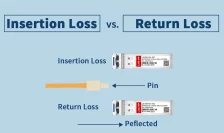
Scopri la differenza tra perdita per inserzione e perdita di ritorno nei transceiver ottici, il loro impatto sulle prestazioni, i metodi di misurazione e le indicazioni sui prodotti LINK-PP.
Cos’è lo sfp-1g-ezx? È un modulo SFP da 1 G per collegamenti in fibra a lunga distanza e affidabili fino a 100 km, compatibile con molti dispositivi per connessioni di rete robuste.
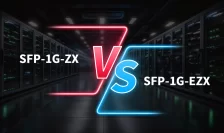
Confronta sfp-1g-zx rispetto a sfp-1g-ezx per le fibre a lunga distanza. Scopri quale SFP soddisfa l’intervallo della tua rete, da 80 km a 120 km, e garantisce collegamenti gigabit affidabili.
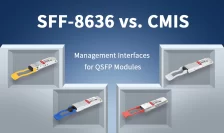
Esplora le differenze tra SFF-8636 e CMIS, due importanti standard di interfaccia di gestione che definiscono i moduli ottici QSFP per data center e reti.
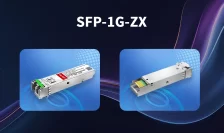
SFP-1G-ZX è un transceiver in fibra che consente la trasmissione dati a 1 Gbps su distanze fino a 80 km, ideale per collegare edifici distanti con collegamenti di rete ad alta velocità e affidabili.
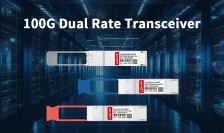
Scegli il giusto modulo dual rate da 100G abbinando velocità di trasmissione dati, compatibilità e capacità di adeguamento futuro della tua rete per aggiornamenti senza interruzioni nel 2025.
Le reti di accesso collegano i dispositivi a Internet, consentendo comunicazioni veloci e affidabili tramite tecnologia cablata o wireless per case e aziende.
Scopri cos’è CMIS e perché è fondamentale per la gestione dei moderni moduli ottici (QSFP-DD, OSFP, ecc.). Impara come i moduli pronti per il futuro di LINK-PP sono conformi a CMIS. .
What Frame Check Sequence (FCS) means, how CRC-32 detects corrupted Ethernet frames, and why FCS errors are commonly associated with cable faults, fiber issues, or optical transceiver problems.
Discover how optical cross‑connect (OXC) enables all‑optical switching in DWDM/OTN networks, with LINK‑PP SFP modules ensuring seamless integration and superior performance.
Learn what Dispersion Compensation Fiber (DCF) is, how it reduces chromatic dispersion, where it is used, and why it matters in modern optical networks.
Learn what OEO means in optical communication, how optical-electrical-optical regeneration works, and when it is used in DWDM networks and optical links. Keywords:
Discover the LQ‑SW40‑SR4C 40GBASE‑SR module: high-speed, low-power, QSFP+ optics for multimode fibre networks. Perfect for data centres and network upgrades.
Learn what hyperconverged infrastructure HCI is, how it compares with virtualization and dHCI, and when Nutanix, Sangfor, or SFP-based designs fit best.
Understand SFP+ 40km (10GBASE-ER) modules, including specs, SMF compatibility, and how to choose the right extended-reach optical transceiver for your network.