Risolvi rapidamente i problemi dei transceiver ottici con il Monitoraggio Diagnostico Digitale. Monitora i dati in tempo reale per rilevare tempestivamente i guasti e garantire l'affidabilità della rete.
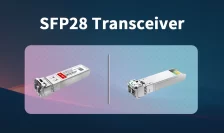
I transceiver SFP28 LS-MM8532-S1C offrono velocità 25G/32G, ampia compatibilità, basso consumo energetico e risparmi sui costi—ideali per rendere il tuo data center pronto per il futuro.
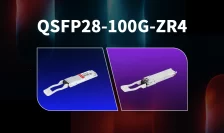
Il transceiver QSFP28-100G-ZR4 consente la trasmissione dati a 100 G a distanze fino a 80 km tramite fibra monomodale, ideale per connessioni di rete ad alta velocità su lunga distanza.
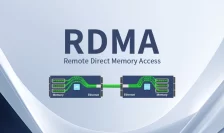
L’accesso diretto remoto alla memoria (RDMA) aumenta la velocità di trasferimento dei dati, riduce la latenza e diminuisce il carico sulla CPU per applicazioni ad alte prestazioni e nel cloud.
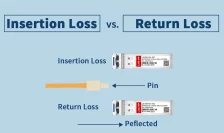
Scopri la differenza tra perdita per inserzione e perdita di ritorno nei transceiver ottici, il loro impatto sulle prestazioni, i metodi di misurazione e le indicazioni sui prodotti LINK-PP.
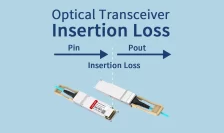
Scopri cos’è la perdita di inserzione del transceiver ottico, come influisce sui budget di collegamento, sul BER e sulla FEC. Include numeri LC/MPO, consigli pratici e approfondimenti LINK-PP.
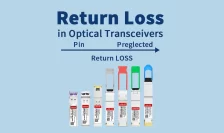
Comprendi la perdita di ritorno ottica nei transceiver, perché è fondamentale per la stabilità della rete e come i moduli LINK-PP offrano elevate prestazioni RL.
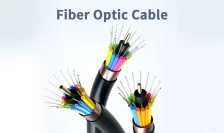
La trasmissione su lunga distanza utilizza cavi in fibra ottica per inviare dati in modo rapido e sicuro su grandi distanze, collegando città e paesi per una comunicazione veloce.
Un cavo in fibra ottica utilizza sottili fibre di vetro o plastica per trasmettere dati sotto forma di impulsi luminosi, consentendo comunicazioni veloci, chiare e affidabili su lunghe distanze.
OTU4 vs 100GE: confrontare velocità, affidabilità e scenari per scegliere il protocollo a alta velocità più adatto alle esigenze e al futuro della propria rete.
Esplora le sfide critiche dei contenitori per moduli ottici nell’era 400G/800G: gestione del calore, limiti dei materiali, integrità del segnale e come l’innovazione le affronta.
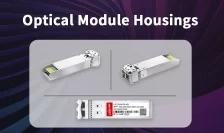
Scopri il ruolo dei contenitori per moduli ottici nei data center e nella rete 5G. Impara quali sono i materiali utilizzati, come le ceramiche e le leghe, le sfide termiche e scopri i trasceiver ottici Link-PP.
I moduli ottici da 2,5 G aumentano la velocità della rete, semplificano gli aggiornamenti e riducono i costi grazie a un’installazione agevole e a un’ampia compatibilità per le reti moderne.
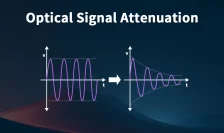
L’attenuazione nei trascevitori ottici indebolisce i segnali. Gestisci le perdite controllando i cavi, pulendo i connettori e utilizzando gli strumenti per fibre ottiche appropriati.
Scopri come i moduli ottici alimentano le reti di backbone: dati ad alta velocità, affidabilità, vantaggi LINK-PP e suggerimenti per l’acquisto destinati a data center e operatori.
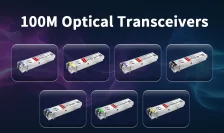
Il modulo ottico da 100 M abilita connessioni veloci e affidabili per uffici, fabbriche, sistemi di sicurezza e reti telecom, supportando un efficiente trasferimento dati su brevi distanze.
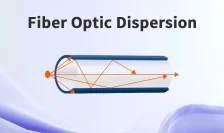
La dispersione nel trascevitore ottico influisce sulla chiarezza del segnale e sull'affidabilità dei dati. Scopri come gestire la dispersione per ottenere prestazioni ottimali della rete.
Scegli il giusto trascevitore ottico da 100 M verificando compatibilità, tipo di fibra, lunghezza d’onda, distanza, velocità dati, connettore e affidabilità.
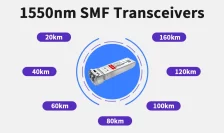
Scopri come un trascevitore ottico a 1550 nm converte i segnali elettrici in luce per collegamenti in fibra su lunga distanza. Impara i suoi vantaggi, le specifiche tecniche e i modelli LINK-PP.
What Frame Check Sequence (FCS) means, how CRC-32 detects corrupted Ethernet frames, and why FCS errors are commonly associated with cable faults, fiber issues, or optical transceiver problems.
Discover how optical cross‑connect (OXC) enables all‑optical switching in DWDM/OTN networks, with LINK‑PP SFP modules ensuring seamless integration and superior performance.
Learn what Dispersion Compensation Fiber (DCF) is, how it reduces chromatic dispersion, where it is used, and why it matters in modern optical networks.
Learn what OEO means in optical communication, how optical-electrical-optical regeneration works, and when it is used in DWDM networks and optical links. Keywords:
Discover the LQ‑SW40‑SR4C 40GBASE‑SR module: high-speed, low-power, QSFP+ optics for multimode fibre networks. Perfect for data centres and network upgrades.
Learn what hyperconverged infrastructure HCI is, how it compares with virtualization and dHCI, and when Nutanix, Sangfor, or SFP-based designs fit best.
Understand SFP+ 40km (10GBASE-ER) modules, including specs, SMF compatibility, and how to choose the right extended-reach optical transceiver for your network.
Subscribe to LINK-PP
newsletter
Don’t miss anything. Get all the latest posts delivered straight to your inbox.