Risolvi rapidamente i problemi dei transceiver ottici con il Monitoraggio Diagnostico Digitale. Monitora i dati in tempo reale per rilevare tempestivamente i guasti e garantire l'affidabilità della rete.
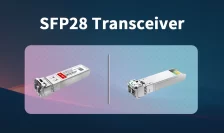
I transceiver SFP28 LS-MM8532-S1C offrono velocità 25G/32G, ampia compatibilità, basso consumo energetico e risparmi sui costi—ideali per rendere il tuo data center pronto per il futuro.
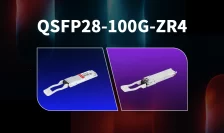
Il transceiver QSFP28-100G-ZR4 consente la trasmissione dati a 100 G a distanze fino a 80 km tramite fibra monomodale, ideale per connessioni di rete ad alta velocità su lunga distanza.
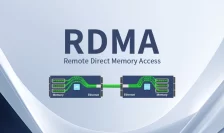
L’accesso diretto remoto alla memoria (RDMA) aumenta la velocità di trasferimento dei dati, riduce la latenza e diminuisce il carico sulla CPU per applicazioni ad alte prestazioni e nel cloud.
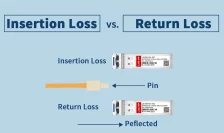
Scopri la differenza tra perdita per inserzione e perdita di ritorno nei transceiver ottici, il loro impatto sulle prestazioni, i metodi di misurazione e le indicazioni sui prodotti LINK-PP.
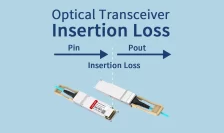
Scopri cos’è la perdita di inserzione del transceiver ottico, come influisce sui budget di collegamento, sul BER e sulla FEC. Include numeri LC/MPO, consigli pratici e approfondimenti LINK-PP.
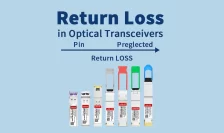
Comprendi la perdita di ritorno ottica nei transceiver, perché è fondamentale per la stabilità della rete e come i moduli LINK-PP offrano elevate prestazioni RL.
La trasmissione su lunga distanza utilizza cavi in fibra ottica per inviare dati in modo rapido e sicuro su grandi distanze, collegando città e paesi per una comunicazione veloce.
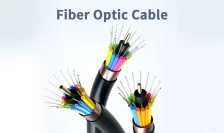
Un cavo in fibra ottica utilizza sottili fibre di vetro o plastica per trasmettere dati sotto forma di impulsi luminosi, consentendo comunicazioni veloci, chiare e affidabili su lunghe distanze.
Un convertitore di lunghezza d’onda nel 2025 trasforma rapidamente la lunghezza d’onda della luce, consentendo calcoli precisi di frequenza, energia e numero d’onda per i dispositivi.
Scopri la differenza tra MTTR e MTBF, come influiscono sull'affidabilità del sistema e come i connettori industriali LINK-PP e i moduli SFP/SFP+ aiutano a migliorare la disponibilità della rete.
Le reti ottiche garantiscono elevata velocità, sicurezza e scalabilità per le distribuzioni cloud private e ibride, assicurando una connettività dati affidabile ed efficiente.
Ottimizza le fabric AI con transceiver ottici avanzati per una comunicazione più rapida e affidabile tra GPU, maggiore efficienza e prestazioni scalabili.
L'integrità del segnale e la bassa latenza nei trasmettitori dei data center assicurano una trasmissione dati affidabile, priva di errori e un'ottima performance per applicazioni in tempo reale.
Learn how industrial IPCs use LINK-PP SFP/SFP+ cages to build high-speed, EMI-protected fiber uplinks for PLCs and edge networks. Ideal for Industry 4.0 and smart factories.
Scopri come un PC industriale (IPC) comunica in modo affidabile con un PLC utilizzando i connettori integrati RJ45 LINK-PP per un’isolamento robusto e una resilienza alle interferenze elettromagnetiche (EMI) nelle reti Ethernet industriali.
I trasceivers ottici green riducono il consumo energetico e gli sprechi, contribuendo a ridurre i costi e l’impatto ambientale del tuo data center sostenibile.
Ridurre il consumo energetico dei transceiver ottici aumenta il ROI del data center tagliando i costi energetici, migliorando l’efficienza e sostenendo una crescita sostenibile.
NPO contro CPO: confronta posizionamento degli elementi ottici, velocità dei dati, flessibilità di aggiornamento ed efficienza energetica per le esigenze del tuo data center.
What Frame Check Sequence (FCS) means, how CRC-32 detects corrupted Ethernet frames, and why FCS errors are commonly associated with cable faults, fiber issues, or optical transceiver problems.
Discover how optical cross‑connect (OXC) enables all‑optical switching in DWDM/OTN networks, with LINK‑PP SFP modules ensuring seamless integration and superior performance.
Learn what Dispersion Compensation Fiber (DCF) is, how it reduces chromatic dispersion, where it is used, and why it matters in modern optical networks.
Learn what OEO means in optical communication, how optical-electrical-optical regeneration works, and when it is used in DWDM networks and optical links. Keywords:
Discover the LQ‑SW40‑SR4C 40GBASE‑SR module: high-speed, low-power, QSFP+ optics for multimode fibre networks. Perfect for data centres and network upgrades.
Learn what hyperconverged infrastructure HCI is, how it compares with virtualization and dHCI, and when Nutanix, Sangfor, or SFP-based designs fit best.
Understand SFP+ 40km (10GBASE-ER) modules, including specs, SMF compatibility, and how to choose the right extended-reach optical transceiver for your network.