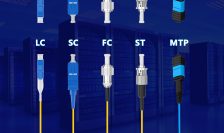
Esplora i tipi comuni di connettori in fibra ottica, come SC, LC, ST, FC e MPO/MTP, le loro caratteristiche e le applicazioni nei transceiver ottici per reti efficienti.
Ensure reliable optical transceiver performance with regular tests for metrics like BER, extinction ratio, and receiver sensitivity to avoid network disruptions.
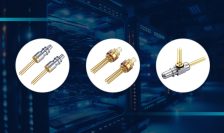
TOSA, ROSA, and BOSA are key components in optical transceivers, enabling high-speed data transmission, reception, and bidirectional communication in modern networks.
I moduli SFP in rame consentono una trasferimento dati ad alta velocità e a basso costo su brevi distanze utilizzando cavi in rame esistenti, ideali per uffici e centri dati.
Understand the operating temperature range of optical transceivers, including commercial (0°C-70°C), extended (-20°C-85°C), and industrial (-40°C-85°C) grades.
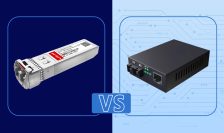
Compare optical transceivers and fiber media converters to understand their roles, advantages, and use cases in modern networking and data transmission.
Understand optical transceiver terminology like SR, LR, ER, and ZR to choose the right module for your network's speed, distance, and compatibility needs.
I moduli ottici consentono collegamenti a velocità elevate e bassa latenza per i fronthaul, midhaul e backhaul. Scopri come i tipi di trasmissore, gli standard e le esigenze di installazione definiscono le reti di telecomunicazioni moderne.
Guida chiara e pratica allo standard SFF-8431 — l’interfaccia elettrica SFP+ da 10G. Scopri i requisiti fondamentali, le considerazioni progettuali e in che modo i moduli SFP da 10G LINK-PP sono conformi.
Esplora come le soluzioni di connettività RJ45 Magjack da LINK-PP migliorano l'infrastruttura delle telecomunicazioni, aumentando la affidabilità, il supporto PoE e l'integrazione per le reti del futuro.
Esplora cos’è una rete telecomunicazioni, come funziona e il suo ruolo nel 5G. Scopri le opportunità, le sfide e in che modo le soluzioni LINK‑PP supportano le reti di nuova generazione.
Scopri cosa definisce l’SFP28 MSA (Small Form-factor Pluggable 28 Multi-Source Agreement), perché è fondamentale per l’Ethernet 25G e come garantisce l’interoperabilità dei moduli.
VRF vs VLAN illustra le principali differenze, gli scenari d’uso e i vantaggi in termini di sicurezza di ciascun metodo di segmentazione della rete, per aiutarti a scegliere la soluzione più adatta.
Il Machine Learning (ML) consente ai computer di apprendere dai dati, identificare schemi e formulare previsioni, alimentando strumenti come gli assistenti vocali e i sistemi di raccomandazione.
Scopri come i trasceivers ottici alimentano le reti intelligenti Industry 4.0, abilitando connettività ad alta velocità, bassa latenza e affidabile nelle moderne fabbriche, grazie a moduli da 1G, 10G e 25G certificati per uso industriale.
SSH vs SSL: l’SSH protegge l’accesso remoto e il trasferimento file, mentre l’SSL protegge le comunicazioni web. Scegli il protocollo giusto per le tue esigenze di sicurezza.
Gli ostacoli tecnici dei trascevitori ottici 1.6T includono l’integrità del segnale, l’alimentazione e il raffreddamento, spingendo verso una rivoluzione dei connettori per reti ad alta velocità affidabili.
What Frame Check Sequence (FCS) means, how CRC-32 detects corrupted Ethernet frames, and why FCS errors are commonly associated with cable faults, fiber issues, or optical transceiver problems.
Discover how optical cross‑connect (OXC) enables all‑optical switching in DWDM/OTN networks, with LINK‑PP SFP modules ensuring seamless integration and superior performance.
Learn what Dispersion Compensation Fiber (DCF) is, how it reduces chromatic dispersion, where it is used, and why it matters in modern optical networks.
Learn what OEO means in optical communication, how optical-electrical-optical regeneration works, and when it is used in DWDM networks and optical links. Keywords:
Discover the LQ‑SW40‑SR4C 40GBASE‑SR module: high-speed, low-power, QSFP+ optics for multimode fibre networks. Perfect for data centres and network upgrades.
Learn what hyperconverged infrastructure HCI is, how it compares with virtualization and dHCI, and when Nutanix, Sangfor, or SFP-based designs fit best.