What are SFP ports on a switch? Learn how SFP ports support fiber and Ethernet connections, how they compare with RJ45 and SFP+, and which module you need.
What Frame Check Sequence (FCS) means, how CRC-32 detects corrupted Ethernet frames, and why FCS errors are commonly associated with cable faults, fiber issues, or optical transceiver problems.
Discover the LQ‑SW40‑SR4C 40GBASE‑SR module: high-speed, low-power, QSFP+ optics for multimode fibre networks. Perfect for data centres and network upgrades.
Discover how optical cross‑connect (OXC) enables all‑optical switching in DWDM/OTN networks, with LINK‑PP SFP modules ensuring seamless integration and superior performance.
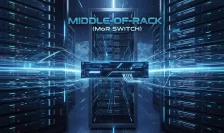
Scopri cosa è uno switch MoR (Middle-of-Rack), come lo MoR si confronta con ToR/EoR, e quali moduli SFP+/SFP28/QSFP funzionano meglio — una guida pratica per la progettazione dei data center.
Scopri cos’è uno switch ToR (Top-of-Rack), come funziona l’architettura ToR e perché è il modello di rete preferito nei moderni data center. Include vantaggi, casi d’uso e soluzioni compatibili di transceiver ottici da LINK-PP.
WLAN comprende tutte le reti locali wireless, mentre Wi-Fi è un tipo specifico di WLAN che utilizza standard definiti per connessioni veloci e affidabili.
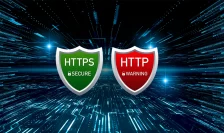
HTTP vs HTTPS: HTTPS crittografa i dati per una trasmissione sicura, mentre HTTP lascia le informazioni esposte. Scegli HTTPS per privacy, fiducia e conformità.
Scopri cos’è un backplane, come i canali backplane supportano Ethernet ad alta velocità da 40G/100G, gli standard chiave e le sfide progettuali. Scopri come i connettori LINK-PP RJ45 migliorano le prestazioni del backplane.
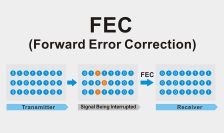
Impara lo standard IEEE 802.3bj per Ethernet da 100G su backplane e interconnessioni in cavo di rame. Esplora PAM4, FEC e i PHY KP4/KR4/CR4, e come i moduli LINK-PP supportano reti ad alta velocità.
Scopri il ruolo del Gearbox nei moderni transceiver ottici. Impara come consente l’allineamento dei canali, la conversione di velocità e il breakout per reti da 50G, 100G e 200G.
Scopri cosa definisce IEEE 802.3cd per Ethernet 50G, 100G e 200G. Esplora la tecnologia PAM4, i principali PMD, gli scenari di impiego e i transceiver ottici LINK-PP adatti.
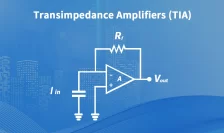
Gli amplificatori transimpedenza (TIA) convertono la corrente del sensore in tensione utilizzando un amplificatore operazionale e una resistenza di retroazione, consentendo misurazioni accurate del segnale.
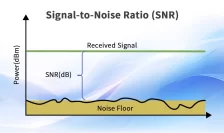
L’SNR, ovvero il rapporto segnale-rumore, misura l’intensità del segnale rispetto al rumore. Un valore elevato di SNR significa audio, immagini e dati più chiari, con una qualità complessiva del segnale migliore.
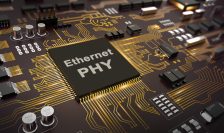
Learn what an Ethernet PHY is, how it connects MAC to network medium, core functions, signal types, and how it pairs with LINK‑PP Magnetics for Ethernet design.
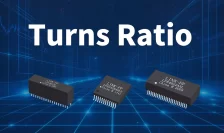
Turns ratio in LAN transformers defines the winding relationship, typically 1:1, ensuring signal integrity, voltage stability, and Ethernet compliance.
Non-Return-to-Zero (NRZ) is a digital encoding method using two voltage levels for binary data, offering simplicity and efficiency in digital communication.
Complete guide to GLC-SX-MMD 1000BASE-SX SFP module: specs, MMF vs SMF, DOM features, compatibility, and best alternatives for cost-effective deployment.
Learn how compatible transceivers work and how to ensure switch compatibility. Avoid SFP errors, vendor locks, and choose the right module confidently.
Scopri cos’è lo Small Form-factor Pluggable Plus (SFP+), come funziona, le regole di compatibilità, gli utilizzi più comuni e come scegliere il modulo più adatto.
Scopri come funziona un modulo transceiver SFP 1000BASE-T con cavo in rame di categoria 5, inclusi i limiti di compatibilità, i problemi termici e suggerimenti pratici per il deployment.
Impara lo standard SFP28, comprese le sue capacità 25G, le differenze tra SFP28 e SFP+, le opzioni in fibra e rame, e come scegliere la soluzione 25G più adatta.
Subscribe to LINK-PP
newsletter
Don’t miss anything. Get all the latest posts delivered straight to your inbox.