Resultaten weergeven voor: ""

Topics
Solve network issues at the data link layer, including frame collisions, MAC conflicts, and ARP errors, to keep your connections stable and secure.
A power budget shows how much energy your system needs, helping you plan, avoid overloads, and keep devices running reliably and efficiently.
Receiver sensitivity shows the lowest signal a device can detect. Learn how it impacts connection quality and what values mean for your device’s performance.
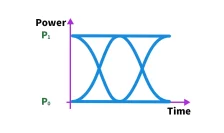
Learn why Extinction Ratio (ER) is critical in optical transceivers. Understand how ER impacts receiver sensitivity, BER, and module performance.
Differential mode delay in multimode fiber optics limits speed and data rates by causing pulse spreading, reducing signal clarity and network performance.
BPSK Modulation uses two phase states to transmit digital data reliably, offering strong noise resistance and simple system design.
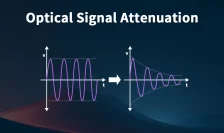
Attenuation in optical transceivers weakens signals. Manage loss by checking cables, cleaning connectors, and using proper fiber tools.
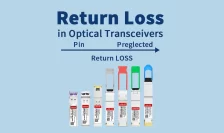
Understand optical return loss in transceivers, why it matters for network stability, and how LINK-PP modules deliver high RL performance.
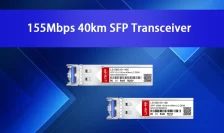
Verwijzing op de LINK-PP LS-SM3101-40C SFP 155Mbps 40km SMF optische transceivers module, met kenmerken, compatibiliteit, diagnostieken en waarde voor netwerken.
Learn what signal distortion means in network hardware. Understand types, causes, effects, and discover how LINK-PP’s RJ45, LAN transformer, and optical modules control distortion for reliable data centers.
Verstaat QSFP28 MSA standaarden, compatibiliteitsbeperkingen en real-world risico's. Leer hoe je betrouwbare 100G optische opties kunt kiezen om deployement fouten te voorkomen.
Signal integrity and low latency in data center transceivers ensure reliable, error-free data transmission and optimal performance for real-time applications.
Troubleshooting optical link issues? Identify and fix common fiber optic problems fast with step-by-step solutions for reliable network performance.
Solve common network problems in data center networks, including outages, slow speeds, and configuration errors, with practical troubleshooting tips.
Jitter in optica veroorzaakt verblurring en datafouten in optische systemen. Leer meer over de soorten, effecten, oorzaken en manieren om jitter te meten en te verminderen.
Solve network issues at the data link layer, including frame collisions, MAC conflicts, and ARP errors, to keep your connections stable and secure.
Learn why Extinction Ratio (ER) is critical in optical transceivers. Understand how ER impacts receiver sensitivity, BER, and module performance.
BPSK Modulation uses two phase states to transmit digital data reliably, offering strong noise resistance and simple system design.
Attenuation in optical transceivers weakens signals. Manage loss by checking cables, cleaning connectors, and using proper fiber tools.
Understand optical return loss in transceivers, why it matters for network stability, and how LINK-PP modules deliver high RL performance.
Wat is Frame Check Sequence (FCS), hoe CRC-32 fouten detecteert verkeerde Ethernet frames, en waarom FCS fouten vaak assoceerd zijn met kabelfouten, faser issues of optische transceivers problemen.
Verstaan wat CRC is, hoe CRC fouten gebeuren, hoe ze worden opgelost, en waarom CRC belangrijk is in netwerken, opslag en SFP modules.
Learn what a VOA variable optical attenuator is, how it works, and why it is critical for optical modules like SFP and QSFP in fiber networks.
Understand what a Digital Communication Analyzer (DCA) is, how it works, and why it is essential for optical module testing, eye diagrams, and signal integrity.
Ontdek de Decision Feedback Equalizer (DFE), de niet-lineaire techniek die essentieel is voor het minimaliseren van ISI. Leer hoe DFE de bit-BER verbetert in optische transceivers en langeafstandsdatakoppelingen.
A power budget shows how much energy your system needs, helping you plan, avoid overloads, and keep devices running reliably and efficiently.
Receiver sensitivity shows the lowest signal a device can detect. Learn how it impacts connection quality and what values mean for your device’s performance.
Differential mode delay in multimode fiber optics limits speed and data rates by causing pulse spreading, reducing signal clarity and network performance.
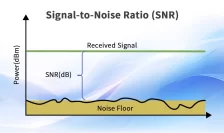
SNR, or signal-to-noise ratio, measures signal strength versus noise. High SNR means clearer audio, images, and data for better overall signal quality.
Bit error rate measures data errors in networks. High BER leads to slow speeds, lost files, and poor call quality. Learn how BER impacts performance.
Verwijzing op de LINK-PP LS-SM3101-40C SFP 155Mbps 40km SMF optische transceivers module, met kenmerken, compatibiliteit, diagnostieken en waarde voor netwerken.

Voeg je titel tekst toe hier