
















Key recurring terms on this page: and, for, CMIS, in, on, es, ed, nt, re, er
CMIS Explained | Common Management Interface for QSFP-DD, OSFP & BeyondAugust 29, 2025 ▲What Is CMIS?CMIS —the, Common Management Interface Specification —is a standard developed under the. Optical Internetworking Forum (OIF) QSFP-DD, OSFP, , originating from the, QSFP-DD MSA Its purpose is to unify the management interface across high-speed, multi-lane pluggable modules like COBO.
, and other future modules such as co-packaged optics, using a
two-wire (I²C-like)host-module interface., PAM4).
▲Why CMIS MattersSupports Next-Gen Speeds.
Simplified Management: Designed for 400G, 800G, and beyond, CMIS addresses the growing complexity of modules with numerous electrical and optical lanes and advanced modulation schemes (e.g.,.
Unified Interface
: Replaces older standards with a single, extensible interface—ideal for diverse form factors and evolving architectures.
: Facilitates application-based configuration, dynamic data paths, and intelligent controls, enhancing automation and flexibility.
▲Key Features of CMIS
Application-Based Configuration EEPROM Modules support multiple “applications” (e.g., 400G, 2×200G, 4×100G), with each defining lane count, modulation type, and data path architecture. The host controls module configuration via a clearly structured state machine.
Expanded Memory Map
Beyond typical QSFP28 layouts, CMIS includes extensive.
banks (“Bank Pages”) to support richer diagnostics, firmware updates, and configurable behaviors.
Digital Diagnostics & Monitoring (DDM/DOM)Provides real-time readings such as optical power, temperature, voltage—crucial for proactive network reliability and performance management.
▲CMIS within the Standards Ecosystem: Library Inheritance : CMIS originated from QSFP-DD MSA and was transferred to OIF in 2022 to ensure broader, formal ecosystem support.
Operates Alongside SFF StandardsSFF-8636 remains relevant for legacy modules, whereas CMIS becomes the preferred interface for advanced architectures. Beyond Optical Modules : CMIS is also relevant for.
copper-based modules
and futureco-packaged solutions.
▲CMIS in Action: Engineering ContextPlug-and-Play.
: Hosts automatically detect and configure modules based on advertised applications and capabilities.Adaptive Lane Management.
: Intelligent state machines set up data paths according to chosen application and signal integrity needs.
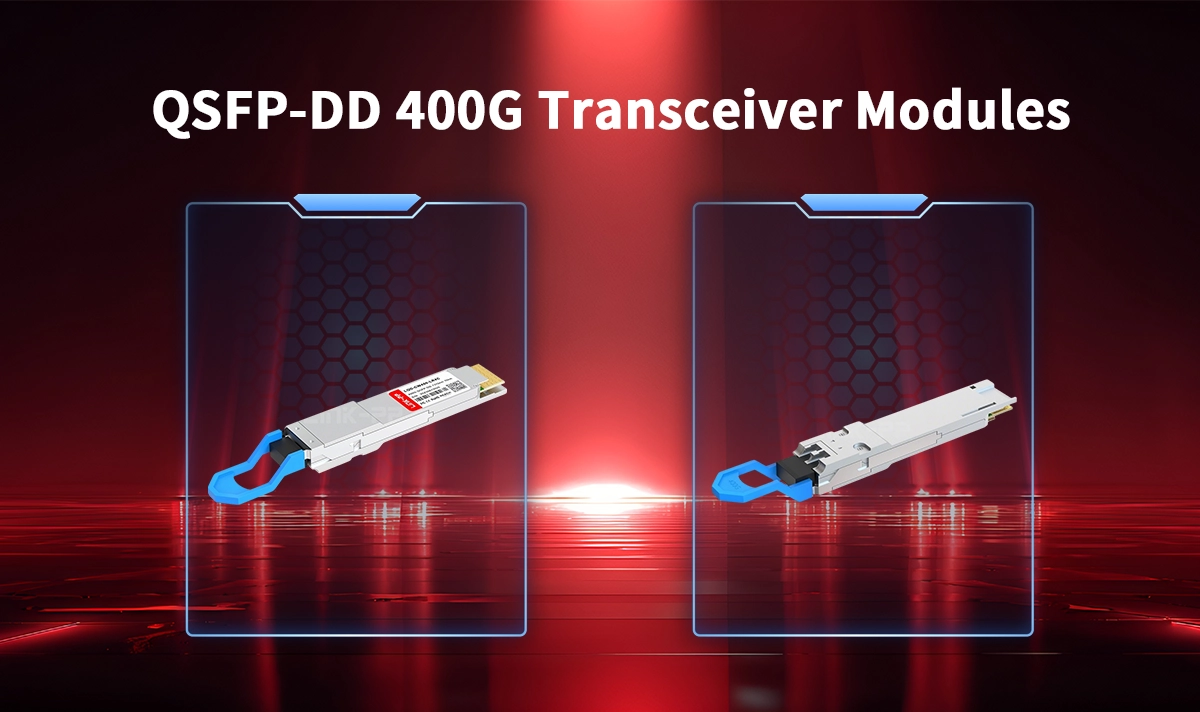
LINK-PP Enhanced Diagnostics : Detailed alarm thresholds and multiple status registers support rapid fault isolation. ▲Why LINK-PP Supports CMIS
is committed to staying ahead of technology trends. Our QSFP-DD and OSFP optical transceivers
are built to support CMIS, ensuring: 100% Interoperability
with industry-standard hosts Advanced Configurability
to suit multi-rate networks.
Robust Diagnostics
CMIS Explained | Common Management Interface for QSFP-DD, OSFP & Beyond for mission-critical deployments.
Choose LINK-PP for scalable, future-proof solutions aligning with evolving optical infrastructure needs.
▲In Summary.
is the modern, extensible management interface for high-performance optical modules across form factors and data rates.



