
➤ Google Cloud Platform (GCP): A Comprehensive Guide to Cloud Computing
Google Cloud Platform (GCP) is one of the world’s leading cloud computing platforms, offering an extensive suite of services for data storage, machine learning, computing, networking, and more. Powered by Google’s global infrastructure, GCP delivers high-performance cloud solutions to businesses, startups, and enterprises alike.
In this article, we’ll explore Google Cloud’s architecture, its core services, how it handles networking and data center infrastructure, and the crucial role that optical transceivers play in ensuring high-speed connectivity for GCP’s data centers.
➤ What Is Google Cloud Platform (GCP)?
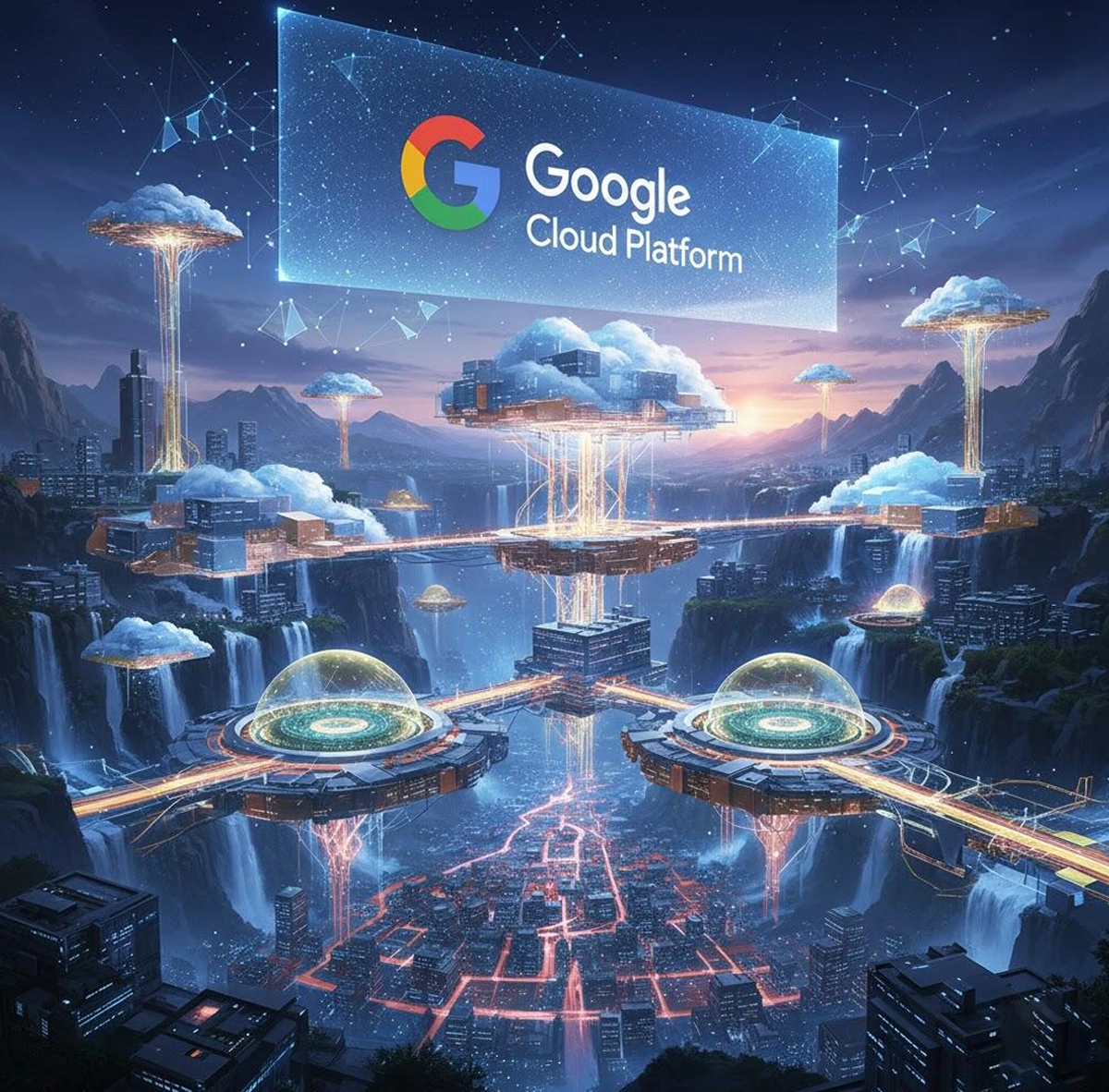
Google Cloud Platform (GCP) is a cloud computing service provided by Google that offers a wide range of cloud services, including computing power, storage, databases, AI/ML capabilities, and networking. GCP’s primary goal is to provide businesses with reliable, scalable, and flexible cloud solutions that support the development, deployment, and management of applications and services.
GCP has become increasingly popular due to its advanced capabilities in data analytics, machine learning, big data, and artificial intelligence (AI). It is the cloud platform of choice for businesses that require cutting-edge technology for data-driven decision-making.
➤ Core Google Cloud Services and Infrastructure
1. GCP Compute Services
Google Cloud’s compute services offer businesses scalable resources for hosting applications, websites, and data analysis workloads.
Google Compute Engine (GCE): Virtual machines that can scale based on workload
Google Kubernetes Engine (GKE): Managed Kubernetes clusters for containerized applications
Google App Engine: A platform-as-a-service (PaaS) for building and deploying applications without managing infrastructure
2. GCP Storage Services
Google Cloud provides highly scalable, secure, and durable storage services for businesses to store their data.
Google Cloud Storage: Object storage for storing large datasets and backups
Persistent Disks: Block storage for VM instances
Google Cloud Filestore: Managed file storage for applications
3. GCP Networking and Connectivity
Google Cloud’s networking infrastructure is designed to provide low-latency, high-throughput connectivity to support global cloud applications. Key networking services include:
Virtual Private Cloud (VPC): A private network that connects cloud resources
Cloud Load Balancing: Distributes traffic across applications to ensure high availability
Cloud Interconnect: Enables private, dedicated connections between on-premise infrastructure and GCP
These services rely on high-performance optical transceivers for fast and efficient data transmission across GCP’s global network.
➤ Google Cloud Platform Architecture
The architecture of Google Cloud is designed to support global scaling, high availability, and fast data processing. Here’s an overview of how GCP’s data center network is structured:
● GCP Regions and Zones
GCP operates through a global network of regions and availability zones (AZs). Each region consists of multiple AZs, which are isolated data centers designed to protect applications from failures and ensure the redundancy of services. Regions allow businesses to deploy applications and services in multiple locations across the globe, ensuring low-latency access to end-users.
● GCP’s High-Performance Global Network
One of GCP’s key advantages is its global private fiber-optic network, which connects its regions and zones. This network ensures that data is transferred securely and quickly, with minimal latency, between different GCP data centers.
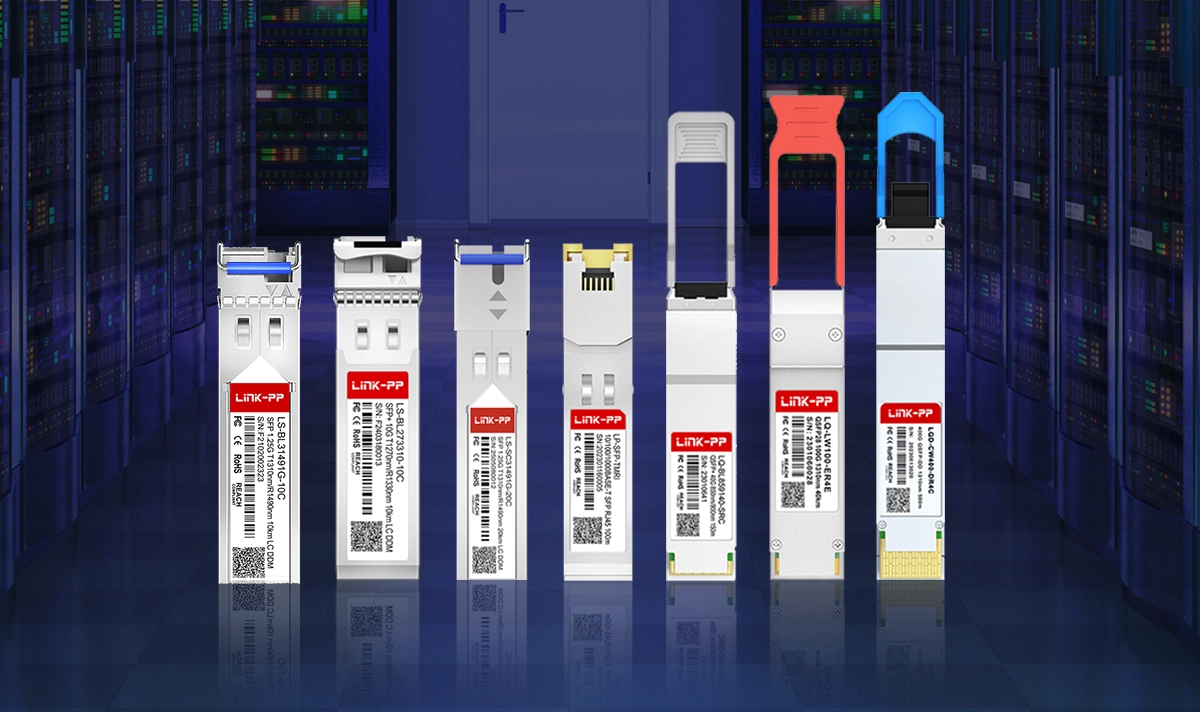
To support this network, GCP relies on optical transceivers such as:
10G SFP+ and 25G SFP28 for high-speed server-to-switch connections
40G QSFP+ and 100G QSFP28 for backbone and inter-zone networking
200G / 400G optical modules for high-performance and long-distance data center interconnects (DCI)
These optical modules are vital for ensuring high bandwidth, low latency, and reliable connections across Google’s vast cloud infrastructure.
Browse compatible optical transceivers for GCP and data center networks: LINK-PP Optical Transceivers
➤ The Role of Optical Transceivers in Google Cloud Data Centers
In GCP’s data centers, optical transceivers play a crucial role in connecting various cloud components such as servers, switches, storage devices, and inter-data center links. These modules enable the fast transmission of data within the data center and between different regions.
1. Server-to-Switch Connectivity
For server-to-switch connections, GCP commonly uses 10G SFP+ and 25G SFP28 modules. These optical transceivers deliver the necessary bandwidth for fast and efficient communication between servers and network switches within the data center.
2. Intra-Data Center and Inter-Region Connectivity
40G QSFP+ and 100G QSFP28 modules are used for high-performance networking between different layers of the data center (Leaf/Spine architecture) and between data centers in different regions. These transceivers are critical for maintaining high-speed and reliable communication for workloads distributed across multiple zones and regions.
3. Long-Distance Interconnects
For data center interconnects (DCI) and long-distance links, 200G / 400G optical modules provide the bandwidth necessary to maintain low-latency and high-throughput connections between geographically distributed data centers.
4. Why Choose LINK-PP Optical Transceivers for Google Cloud Networking?
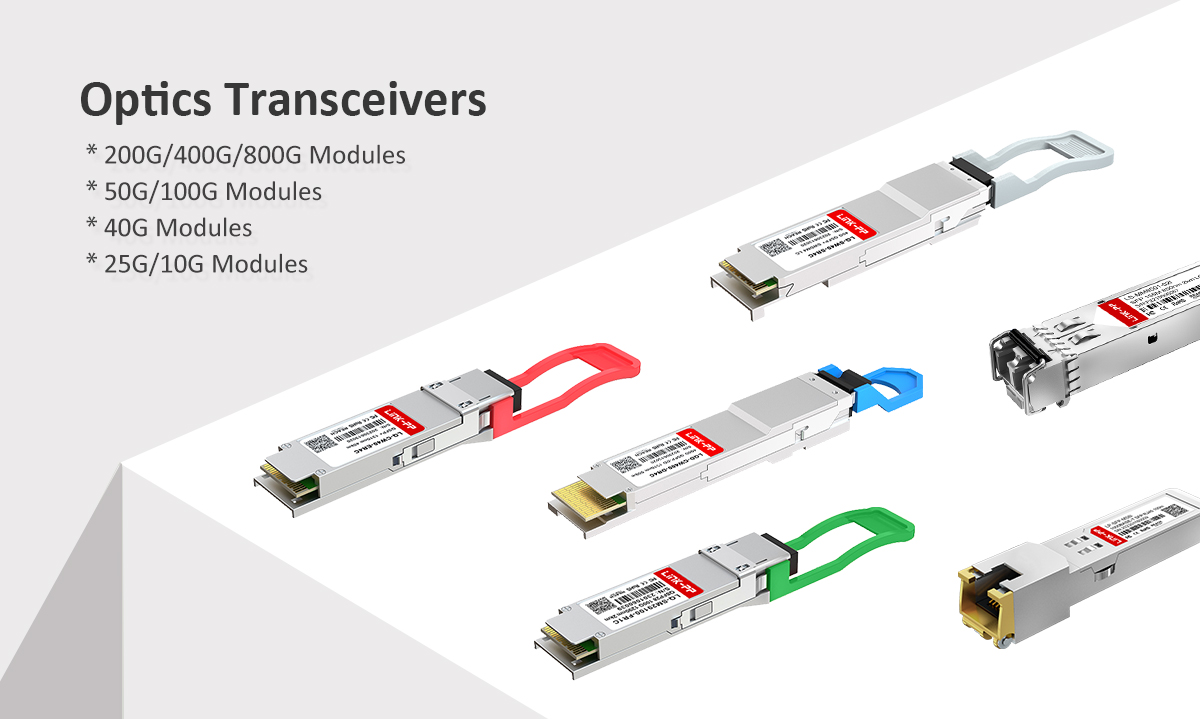
At LINK-PP, we offer a wide selection of optical transceivers and network solutions designed to meet the needs of Google Cloud Platform (GCP) environments. Our products ensure reliable performance, low-latency communication, and cost-efficiency for large-scale cloud architectures.
SFP+ 10G, SFP28 25G, QSFP+ 40G, QSFP28 100G modules
200G/400G optical transceivers for long-distance interconnects
AOC and DAC cables for high-speed, low-latency connections
➤ Conclusion
Google Cloud Platform (GCP) has rapidly become one of the most reliable and scalable cloud platforms for businesses. With a global network backbone, advanced cloud services, and state-of-the-art data center infrastructure, GCP offers the performance and flexibility needed to drive the digital transformation of modern enterprises.
By leveraging optical transceivers from LINK-PP, businesses can build high-performance, low-latency cloud networks that integrate seamlessly with Google Cloud’s architecture.
➤ FAQ
Q1: What is Google Cloud Platform (GCP)?
Google Cloud Platform (GCP) is a suite of cloud computing services offered by Google, including computing power, storage solutions, machine learning, data analytics, networking, and more. GCP helps businesses scale their operations efficiently and securely without the need for maintaining physical infrastructure.
Q2: How does Google Cloud support global businesses?
GCP operates through a global network of regions and availability zones (AZs), providing businesses with the ability to deploy applications in multiple locations worldwide. This architecture ensures that users experience low-latency access to data and applications, while also guaranteeing high availability and disaster recovery options.
Q3: How does Google Cloud benefit from optical transceivers?
Optical transceivers play a key role in enabling high-speed data transmission within Google Cloud’s data centers and between regions. Modules like SFP+ 10G, SFP28 25G, and QSFP+ 40G help maintain fast, reliable connectivity for cloud workloads, reducing latency and ensuring efficient interconnectivity across Google’s network.
Q4: Can businesses build hybrid clouds with Google Cloud?
Yes. Google Cloud offers hybrid cloud solutions like Anthos and Google Cloud Interconnect, which allow businesses to seamlessly integrate on-premises systems with Google Cloud services. This hybrid approach ensures that companies can take advantage of both private infrastructure and the scalability of the cloud.
Q5: What optical modules are commonly used in GCP data centers?
Google Cloud data centers commonly use optical modules such as:
10G SFP+ for server-to-switch connections
25G SFP28 for high-density server deployments
40G QSFP+ and 100G QSFP28 for data center interconnects
200G/400G optical modules for long-distance links between data centers
These modules ensure that GCP’s cloud infrastructure can handle the high throughput required for cloud applications and services.
Q6: How does GCP’s global fiber network ensure performance?
GCP’s private global fiber-optic network ensures secure and fast communication between regions, enabling high-performance cloud services. By using optical transceivers with high bandwidth and low latency, Google Cloud delivers fast access to cloud resources, optimizing the user experience for applications and workloads running in the cloud.
Q7: Why choose LINK-PP optical transceivers for GCP environments?
LINK-PP offers high-performance optical transceivers designed for cloud networking, including modules like SFP+ 10G, QSFP28 100G, and 400G optical modules that are fully compatible with Google Cloud’s networking architecture. These transceivers ensure that businesses can build and maintain reliable, scalable, and high-speed cloud infrastructures.
Explore our selection of optical transceivers for Google Cloud: LINK-PP Optical Transceivers