
Matching SFP modules with switches or media converters is a critical step in building a reliable fiber-optic network. Using the wrong module can result in link failures, reduced performance, or complete incompatibility. This guide explains the key factors you must verify—based on actual industry standards and vendor requirements—so your SFP module works seamlessly with your device.
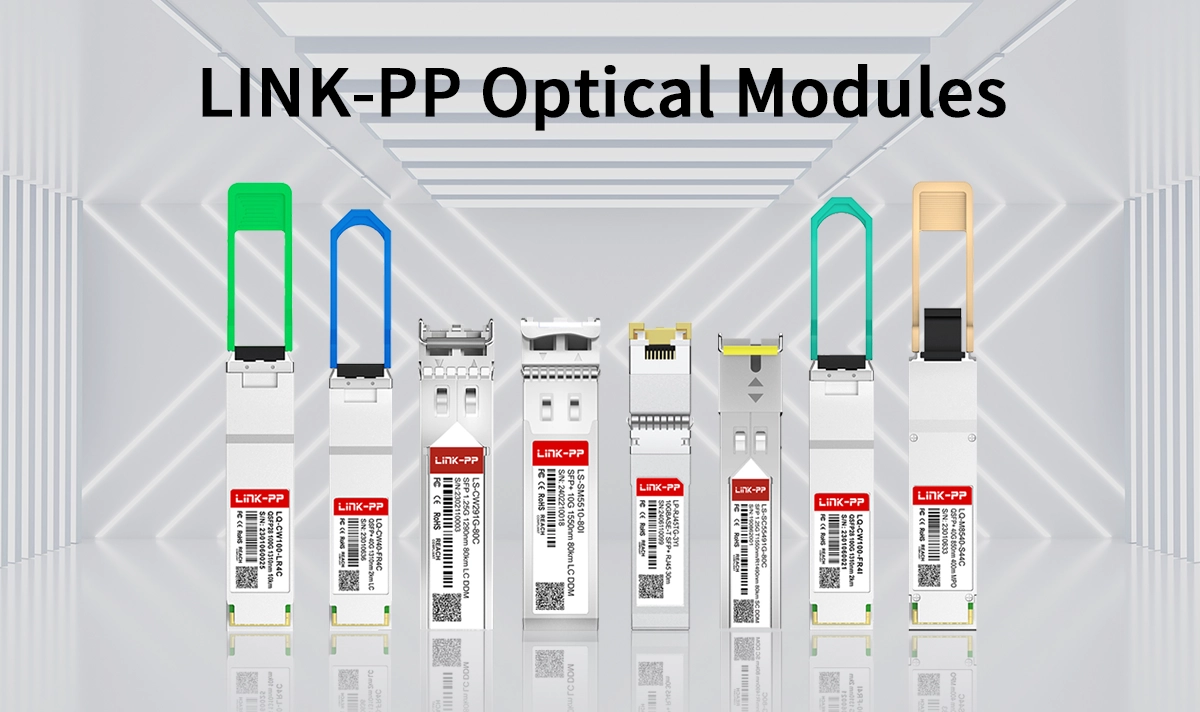
To support industrial and commercial deployments, this article also highlights compatible optical transceivers from LINK-PP:
➡️ Why SFP Compatibility Matters
SFP (Small Form-factor Pluggable) and SFP+ modules may look identical, but they differ in speed, encoding, and optical parameters. Network switches and media converters interpret these parameters strictly. A mismatch can cause:
No link or intermittent link
Alarms such as “unsupported transceiver.”
Reduced throughput or unstable transmission
DDM/DOM monitoring failures
Ensuring compatibility prevents troubleshooting later and guarantees stable network performance.
➡️ Check Device Compatibility First
● Review the Manufacturer’s Supported Transceiver List
Most branded switches—such as Cisco, HPE, Aruba, Juniper, MikroTik—publish “Supported Transceiver Lists.”
Before purchasing any SFP module, verify that:
The module model is explicitly listed
The module type (1G, 10G, BiDi, CWDM, DWDM, etc.) is supported
The device supports third-party modules (many do, others restrict via firmware)
● Understand Vendor Locking and Coding
Some vendors implement coding (EEPROM signatures). A compatible SFP must match the vendor ID to avoid:
“Unauthorized transceiver” warnings
Disabled optical ports
LINK-PP modules can be coded to match major brands, making them suitable for mixed-brand environments.
➡️ Match the Correct Speed: SFP vs SFP+ vs SFP28
▷ Speed Must Match the Port Specification
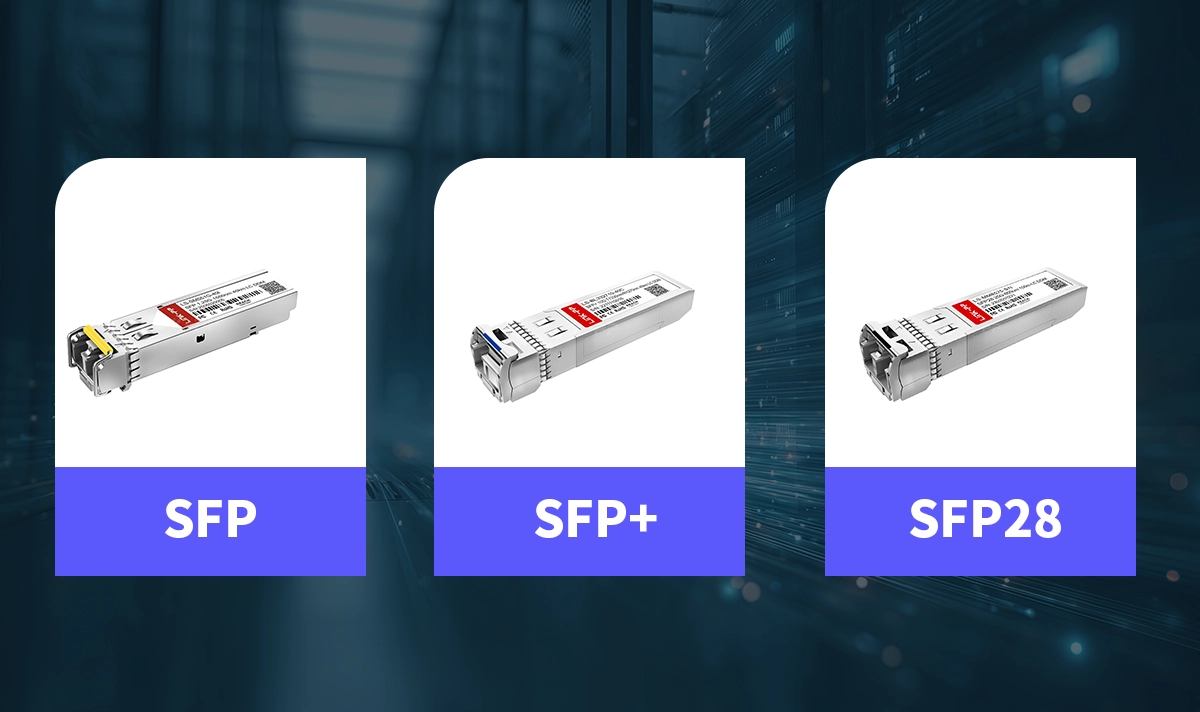
Switch ports do not auto-negotiate between SFP/SFP+ speeds. A 1G SFP cannot operate in a 10G-only SFP+ port.
▷ Verify Backward Compatibility
Some 10G ports support 1G fallback; others do not. This depends on:
PHY design
Firmware
Platform generation
Always confirm in vendor documentation.
➡️ Match Fiber Type and Connector Interface
♦ Fiber Type Must Match Both Sides of the Link
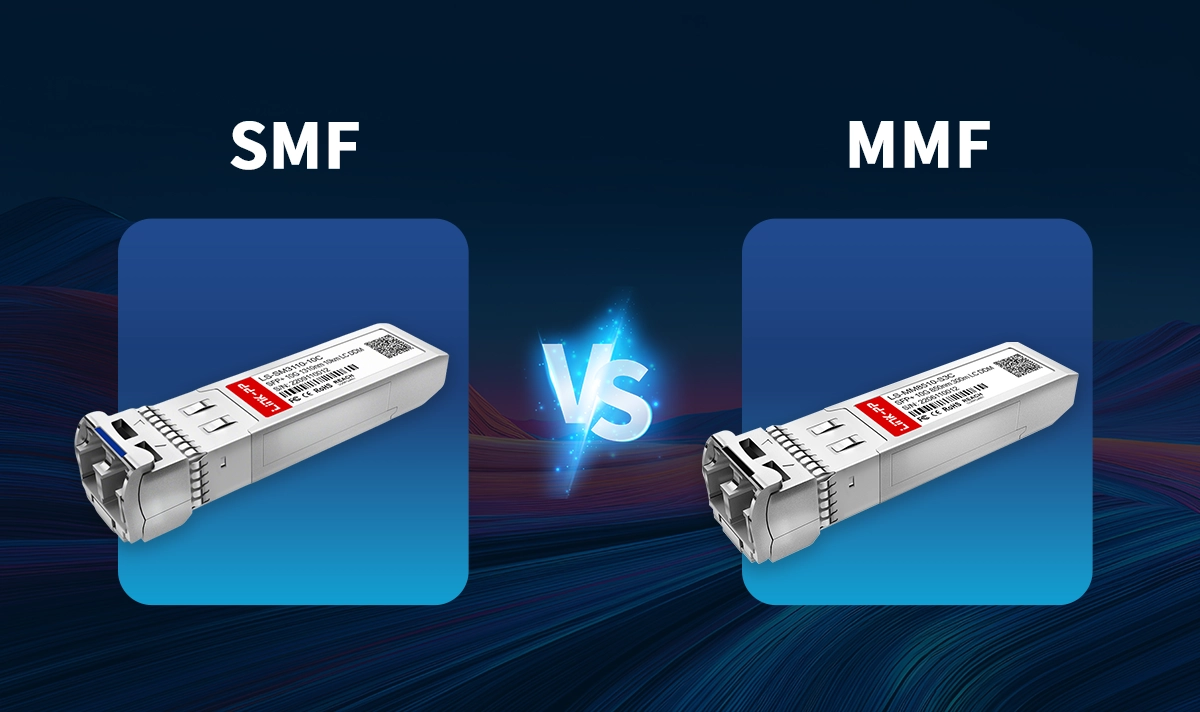
Single-mode (SMF, OS1/OS2) for long-distance transmission
Multimode (MMF, OM2/OM3/OM4/OM5) for short-range connections
SMF and MMF are not interchangeable.
♦ Connector Type
Most SFP modules use LC duplex, while some (BiDi, copper RJ45) differ. Ensure:
LC-LC connectors for duplex fiber
LC-SC conversion only via patch panel or pigtail
No mixing BiDi and duplex on the same link
➡️ Match Optical Wavelength and Transmission Distance
● Ensure Both Ends Use the Same Wavelength
Typical wavelength pairs:
850nm (MMF)
1310nm (SMF short/medium range)
1550nm (SMF long range)
BiDi pairs such as 1310/1550nm (must match TX/RX opposite sides)
Using mismatched wavelengths will prevent link establishment.
● Check Maximum Reach and Link Budget
Distance ratings depend on:
Transmit power
Receiver sensitivity
Fiber attenuation
Connector and splice losses
Examples:
1G 850nm MMF: 300m
1G 1310nm SMF: 10km
1G 1550nm SMF: 80km
Long-distance SFP modules require accurate link budget calculations.
➡️ Consider Environmental Rating: Commercial vs Industrial SFP
When to Choose Industrial SFP Modules
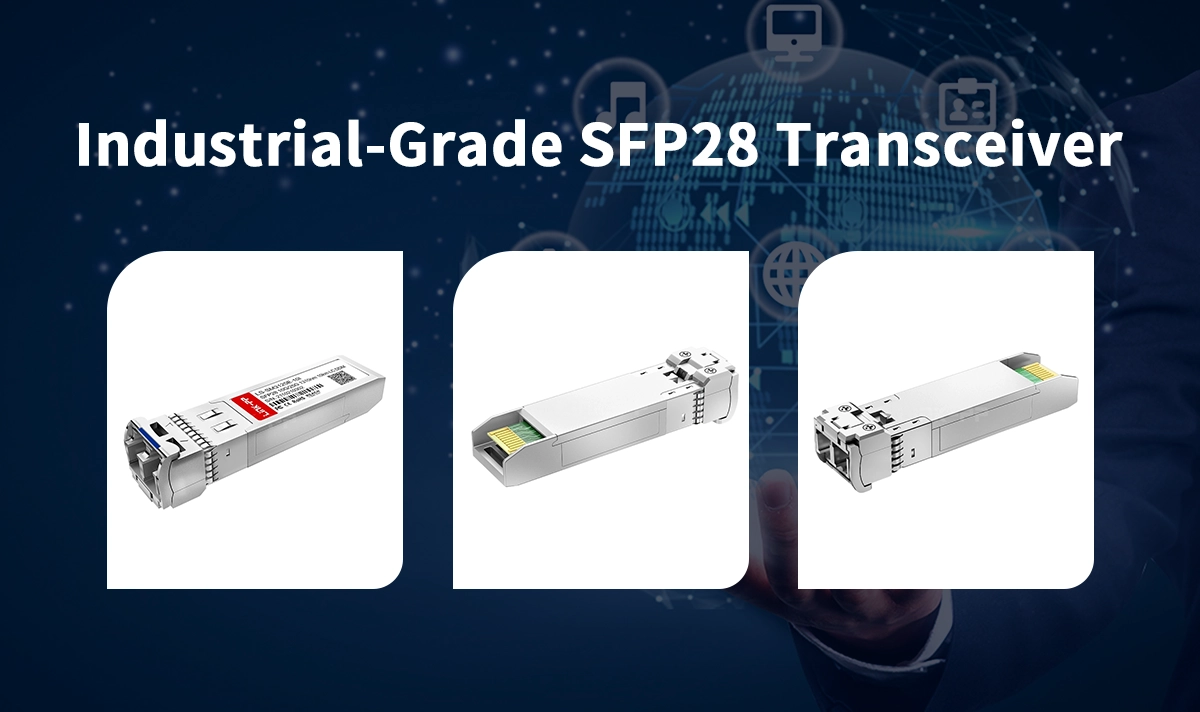
Industrial networks—factory automation, outdoor cabinets, traffic systems—require transceivers that withstand:
–40°C to +85°C temperature range
High humidity and vibration
Voltage fluctuations
LINK-PP industrial-grade SFP modules are tested for extended temperatures and harsh-environment reliability.
➡️ Verify DDM/DOM Support
Check If Your Device Supports Digital Diagnostics
DDM/DOM (SFF-8472) enables real-time monitoring of:
Optical transmit power
Optical receive power
Temperature
Supply voltage
Laser bias current
Some switches require SFPs with DDM, while older devices may not support it.
➡️ Confirm Application Type: Ethernet, Fibre Channel, or CWDM/DWDM
▲ Ethernet vs Fibre Channel
These are not interchangeable.
Ethernet SFPs use IEEE 802.3 standards
Fibre Channel SFPs use FC-PI standards
▲ CWDM/DWDM for Long-Distance Metro Links
Used in ISP, telecom, and WDM systems. Requires matching:
ITU channel spacing
Band plan
Link budget
➡️ Recommended LINK-PP Compatible SFP Modules
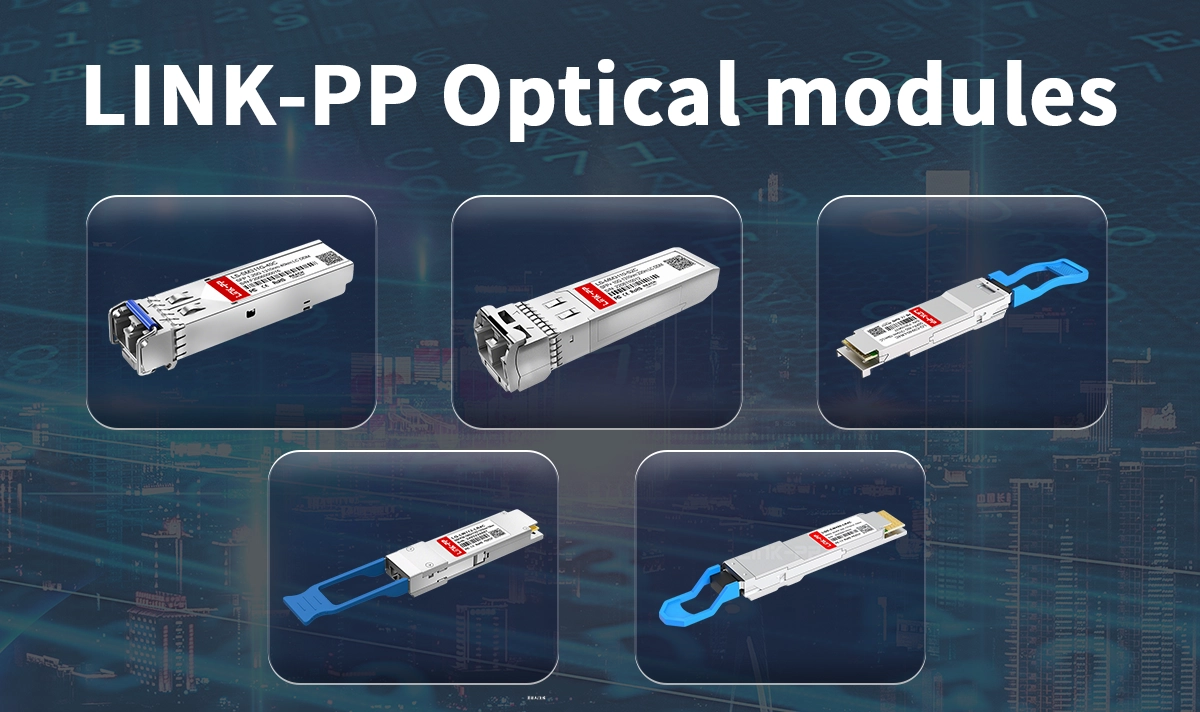
LINK-PP provides a full range of reliable 1G/10G industrial SFP and SFP+ modules compatible with major switch vendors:
Popular options include:
1G SX / LX SMF/MMF modules
10G SFP+ SR / LR modules
BiDi SFP for single-fiber links
Industrial-grade SFP for extreme temperatures
These modules meet IEEE, SFF-8472, and MSA specifications, ensuring interoperability.
➡️ Conclusion
Matching SFP modules with your switch or media converter requires validating several technical parameters: device compatibility, port speed, fiber type, wavelength, distance, coding, and environmental grade. Checking these factors ensures the SFP module integrates cleanly with your network and delivers stable, long-term performance.
Whether you are deploying enterprise networks or industrial field systems, choosing a proven SFP supplier—such as LINK-PP—helps eliminate compatibility risks and simplifies network design.