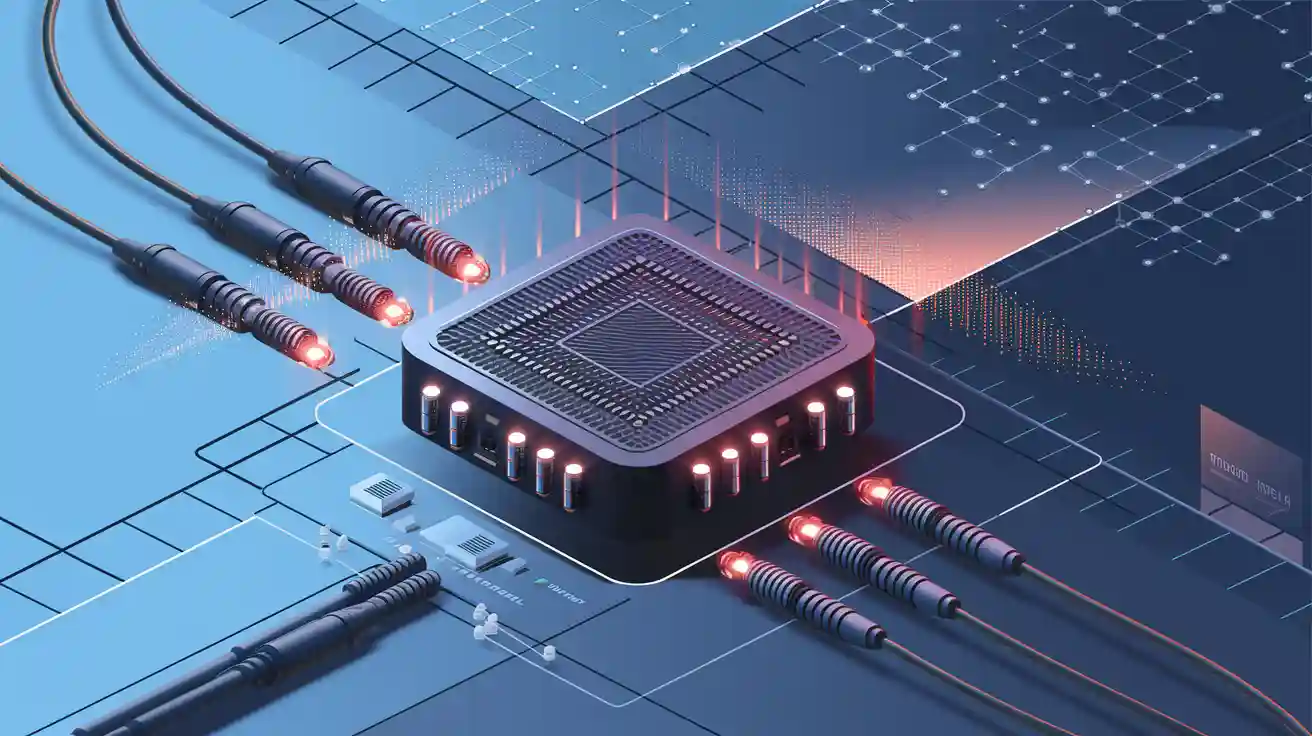


In the dynamic world of IT, agility and cost-efficiency are not just advantages; they are necessities. Traditional networking, with its proprietary hardware and software bundles, often feels like a straitjacket, limiting innovation and inflating budgets. This is where the paradigm of open networking comes in, promising a new era of flexibility, control, and scalability.
This comprehensive guide will demystify open networking, explore its core components, and show you why it's becoming the backbone of modern data centers and cloud infrastructures.
🌐 Key Takeaways
Open networking lets you use hardware and software from many companies. This means you have more options and can be more flexible.
You can save money by looking at prices from different vendors. You only need to upgrade some parts, not everything.
Open standards make sure devices from different brands work well together. This helps your network grow without problems.
You can react fast to new technology and business needs. Open networking lets you try new tools and not stick to one vendor.
Before you start open networking, check your team’s skills and resources. Make sure you have the right knowledge and help to handle changes.
🌐 Understanding the Core Concept: What Is Open Networking?
At its heart, open networking is a philosophy and architecture that disaggregates or separates the network hardware (the data plane) from the network operating system (the control plane). Instead of buying a monolithic switch from a single vendor that locks you into their hardware and software, you can:
Choose your own hardware: Purchase standardized, commodity hardware known as white-box switches.
Choose your own software: Install a flexible, often open-source, Network Operating System (NOS) like SONiC, Cumulus Linux, or FRR.
Think of it like a PC. You don't buy a computer where the operating system is permanently fused to the motherboard. You choose your components (CPU, RAM, storage) and then install Windows, Linux, or macOS. Open networking applies this same principle of choice and interoperability to your network infrastructure.
This approach is a key enabler for software-defined networking (SDN) principles, allowing for centralized management and programmability.
🌐 Open Networking vs. Traditional Networking: A Clear Comparison
To fully grasp the impact of open networking, let's compare it directly with the traditional model.
Feature | Traditional Networking | Open Networking |
|---|---|---|
Architecture | Integrated/Closed: Hardware and NOS are a bundled unit from one vendor. | Disaggregated/Open: Hardware and NOS are separate, chosen independently. |
Vendor Lock-in | High. Switching vendors is complex and costly. | Low. Freedom to mix and match best-of-breed components. |
Cost Structure | High CapEx due to vendor markup on bundled solutions. | Lower CapEx (commodity hardware); OpEx model for software/support. |
Innovation & Agility | Slow, dependent on a single vendor's roadmap. | Fast, can adopt new software features and hardware independently. |
Customization | Limited to vendor-approved features and scripts. | High; network can be tailored with custom automation and tools. |
Key Benefit | Perceived stability and single point of support. | Unmatched flexibility, cost savings, and freedom from vendor lock-in. |
🌐 The Tangible Benefits of Adopting an Open Network Model
Why are leading enterprises and cloud providers embracing this model? The benefits of open networking are compelling:
Significant Cost Reduction: By using commodity white-box switches, you avoid the hefty premium of branded hardware. This dramatically lowers your capital expenditures (CapEx).
Elimination of Vendor Lock-in: You are no longer held hostage by a single vendor's pricing, support, or product lifecycle. This gives you immense negotiating power.
Unparalleled Flexibility and Agility: Need a new feature or protocol? You can often implement it via software without replacing hardware. This accelerates service deployment and scalable network infrastructure growth.
Fosters Innovation: An open ecosystem encourages competition and collaboration, leading to faster development of new technologies and solutions.
Simplified Automation: With a standardized hardware base and programmable NOS, automating network provisioning and management becomes significantly easier.
Navigating the Challenges
While powerful, open networking is not without its challenges. Organizations must be prepared for:
Integration Responsibility: You become the systems integrator. Ensuring hardware and software compatibility falls on your team or your chosen integrator.
Support Model: Instead of one vendor to call, you may have separate support contracts for hardware and software. However, many partners now offer single-point-of-support solutions.
Skillset Requirement: Your network team may need to develop new skills in Linux, automation, and open-source software management.
🌐 The Role of Optical Transceivers in Open Networking
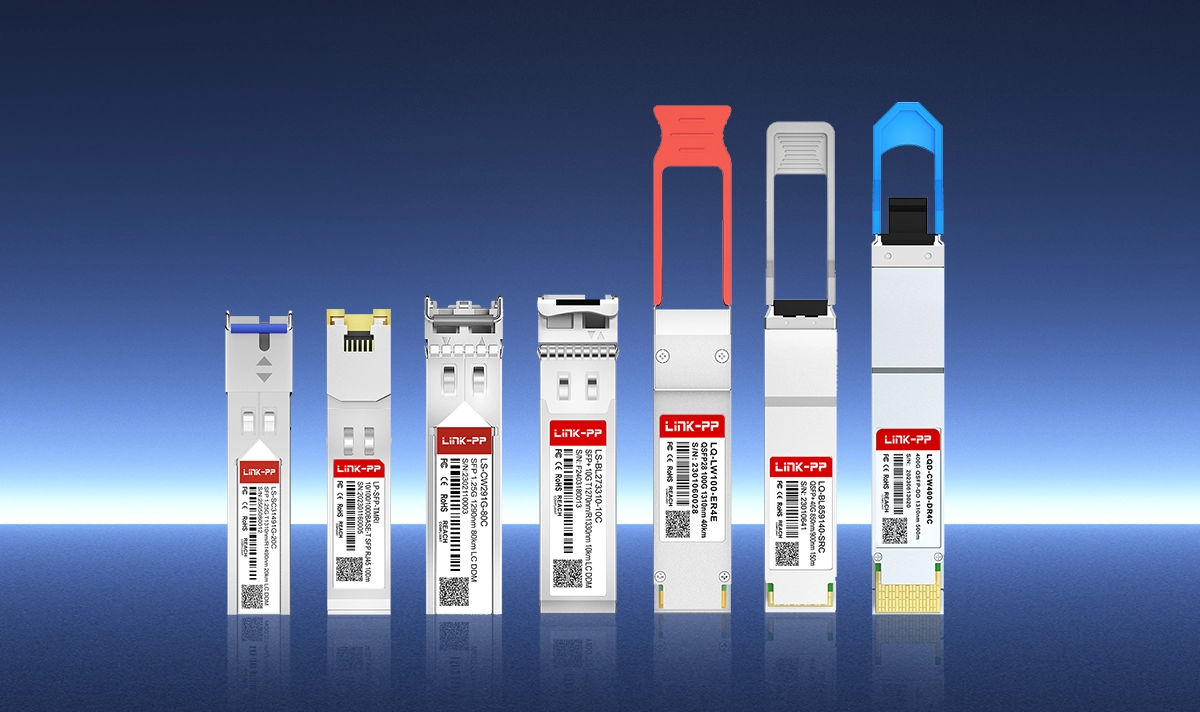
A network is only as strong as its weakest link, and in a high-speed data center, the "links" are often optical. This is where optical transceivers, or optical modules, become critical.
What is an Optical Module?
An optical transceiver is a small but vital device that plugs into a switch port. Its job is to convert electrical signals from the switch into optical signals for transmission over fiber optic cables, and vice-versa. They are essential for achieving high-speed, long-distance connections.
Why are they crucial for Open Networking?
In a traditional model, vendors often use crippled optics, meaning their switches are coded to only work with their own brand of transceivers, sold at a premium. A core tenet of open networking is breaking down these proprietary barriers.
In an open network, white-box switches are designed to be transceiver-agnostic. They support standard, MSA-compliant (Multi-Source Agreement) optics from third-party manufacturers. This allows you to source high-quality, reliable transceivers at a fraction of the cost, without compatibility issues.
For instance, ensuring you use compatible, high-performance modules is key to a successful data center open networking deployment. This is where choosing a reputable supplier like LINK-PP makes all the difference. LINK-PP's optical transceivers are built to strict MSA standards, guaranteeing full interoperability with a wide range of white-box hardware and ensuring your network's performance and reliability.
A Specific Solution: For your 100G spine-leaf connections, the LINK-PP QSFP28-100G-SR4 optical transceiver is an excellent choice. It offers a robust, cost-effective solution for 100 Gigabit Ethernet links over multimode fiber, perfectly aligning with the cost-saving and interoperability goals of any open networking project.
🌐 How to Get Started with Open Networking
Transitioning to an open network doesn't have to be a leap of faith. You can start with a phased approach:
Identify a Use Case: Begin in a non-critical part of your network, like a lab, a new application tier, or a leaf-spine layer in the data center.
Select Your Components:
Hardware: Choose a white-box switch from an ODM based on your port density and speed requirements (e.g., 1G, 10G, 25G, 100G).
Software: Evaluate open-source NOS options like SONiC, which has massive industry backing, or commercial distributions for enterprise support.
Optics: Partner with a reliable manufacturer like LINK-PP to source all your compatible transceiver needs, from SFP+ to QSFP-DD.
Leverage the Community and Partners: Tap into the vast knowledge base of the open-source community and work with experienced system integrators who specialize in disaggregated networking solutions.
🌐 Conclusion: The Open Future of Networking
Open networking is more than a trend; it's a fundamental shift towards a more democratic, efficient, and innovative way of building networks. By decoupling hardware from software, it returns control and choice to the organization, driving down costs and accelerating digital transformation.
While it demands a shift in mindset and skills, the long-term benefits of open networking—freedom, flexibility, and financial savings—are undeniable. As you plan your next network upgrade, consider the open path. By selecting interoperable components, including high-performance optics from providers like LINK-PP, you can build a future-proof network that is ready for whatever comes next.
🌐 FAQ
What is open networking?
Open networking lets you build a network with many brands. You do not need to use just one company. This gives you more choices and more control.
What are disaggregated solutions in networking?
Disaggregated solutions let you pick hardware and software separately. You can choose the hardware you like best. Then you pick the software that fits your needs. This helps you avoid being stuck with one vendor.
What is a network operating system?
A network operating system is software for network devices. You put it on switches or routers. It helps you manage traffic and connect devices together.
What does network architecture mean?
Network architecture is how you set up your network. It shows how devices, software, and connections work as a team. You use it to plan and build your network.
What are the main benefits of open networking?
You get more options, save money, and upgrade faster. You can use devices and software from different companies. This makes your network easy to change and grow.