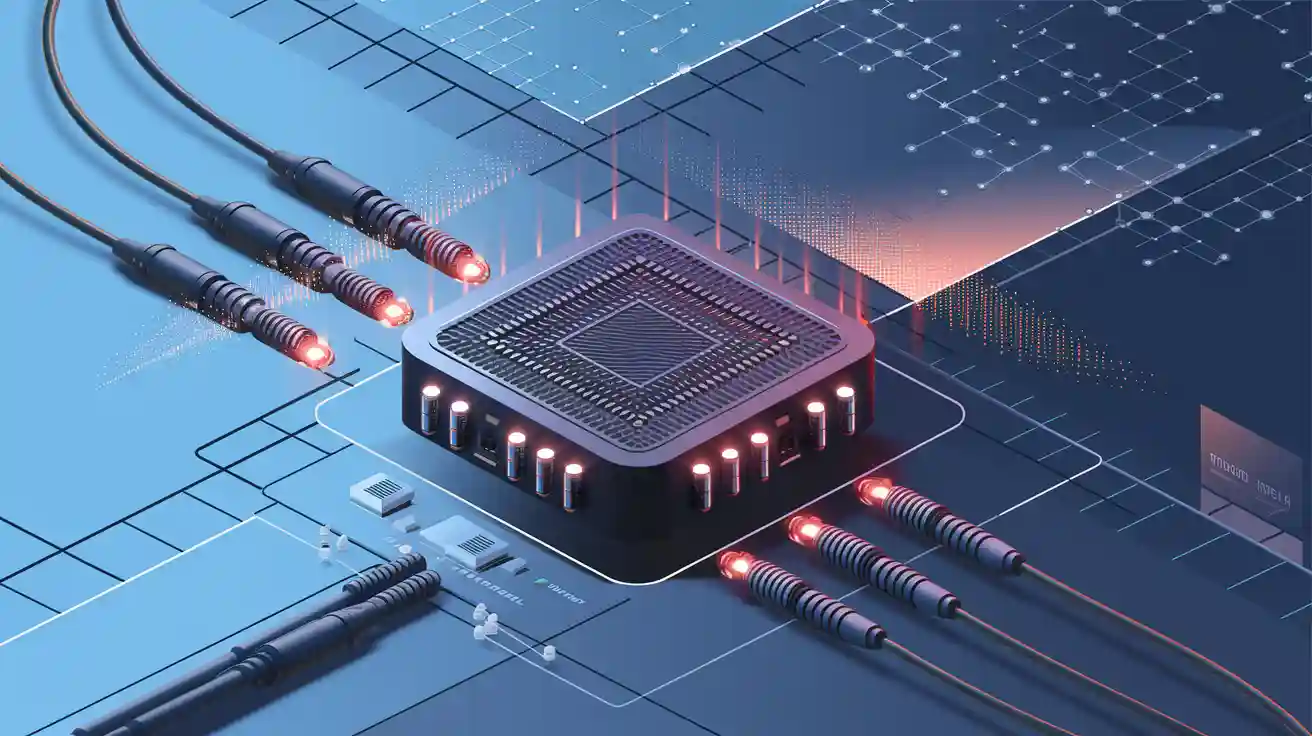


In today's fast-evolving digital landscape, data centers are the backbone of global connectivity, supporting everything from cloud computing to AI-driven applications. However, traditional network architectures often struggle with scalability, cost, and flexibility. Enter open optics and disaggregation—a transformative approach that is redefining data center efficiency. By decoupling hardware from software and adopting standardized components, disaggregation enables unprecedented agility and performance. In this article, we'll explore the benefits of disaggregation in data center networks, with a focus on open optics, and how solutions like LINK-PP optical transceivers are driving this innovation forward. Whether you're a network engineer or IT decision-maker, understanding these trends is crucial for optimizing your infrastructure.
📝 Key Takeaways
Open optics lets you use gear from many brands. This choice helps you spend less money. You do not have to stick with one brand.
Disaggregated networks let you change parts without changing all. This saves money and lets you improve things faster.
You can control each network part by itself. This helps you use your gear better and waste less.
Open standards help you get new tech fast. You can try new hardware and software with little risk.
Disaggregated networks work better and use less energy. Picking the best parts can make data move faster and cut energy costs.
📝 What Is Disaggregation in Data Center Networks?
Disaggregation refers to the separation of network components—such as switches, routers, and optical transceivers—into modular, interoperable parts. Unlike traditional integrated systems where hardware and software are bundled together (often from a single vendor), disaggregated networks use open standards to mix and match best-of-breed elements. This model promotes:
Vendor Neutrality: Reduce lock-in and leverage competitive pricing.
Scalability: Easily upgrade individual components without overhauling the entire system.
Innovation: Integrate cutting-edge technologies faster, such as high-speed optics.
In data centers, disaggregation aligns with trends like software-defined networking (SDN) and white-box switching, enabling more dynamic resource management. According to industry reports, the global data center disaggregation market is projected to grow significantly, driven by demands for cost efficiency and cloud-native architectures.
📝 The Role of Open Optics in Disaggregation
Open optics is a key enabler of disaggregation, focusing on standardized optical components that ensure compatibility across different hardware. Optical transceivers, which convert electrical signals to light for data transmission, are critical in high-speed networks. In a disaggregated setup, open optics allow data centers to:
Use transceivers from multiple vendors, reducing costs by up to 40% compared to proprietary systems.
Support higher bandwidths, such as 100G, 400G, and beyond, for applications like AI and big data.
Enhance reliability through interoperable designs that minimize downtime.
For instance, adopting open optics solutions helps organizations avoid vendor lock-in and achieve better network performance optimization. This approach is especially vital in hyperscale data centers, where seamless integration of optical modules can make or break operational efficiency.
📝 Key Benefits of Disaggregation in Data Centers
Disaggregation offers a multitude of advantages that address common pain points in data center management. Let's break down the core benefits:
Cost Savings: By sourcing components from various vendors, businesses can cut capital and operational expenses. For example, optical transceivers from open markets are often more affordable than branded alternatives.
Flexibility and Customization: Tailor your network to specific workloads, such as high-performance computing or storage, without being tied to a single supplier.
Improved Scalability: Scale resources horizontally by adding modular components as needed, supporting growth without major disruptions.
Faster Innovation: Open standards accelerate the adoption of new technologies, like 400G optics, keeping your infrastructure future-proof.
Enhanced Interoperability: Components from different vendors work together seamlessly, reducing integration challenges and boosting overall data center network efficiency.
To illustrate, here's a comparison table highlighting the differences between traditional and disaggregated networks:
Aspect | Traditional Integrated Networks | Disaggregated Networks |
|---|---|---|
Cost Efficiency | Higher due to vendor lock-in and proprietary pricing | Lower through multi-vendor sourcing and open standards |
Scalability | Limited; often requires full system upgrades | Modular; easy to scale components independently |
Flexibility | Restricted to vendor-specific ecosystems | High; supports best-of-breed components and customization |
Innovation Adoption | Slower, dependent on vendor release cycles | Faster, with open communities driving updates |
Maintenance and Support | Centralized but costly | Distributed, potentially reducing downtime and costs |
This table underscores how disaggregation, supported by open optics, leads to more resilient and economical networks. As data traffic grows—fueled by trends like IoT and 5G—the ability to efficiently manage high-speed data transmission becomes a competitive advantage.
📝 Optical Transceivers: The Heart of Disaggregated Networks
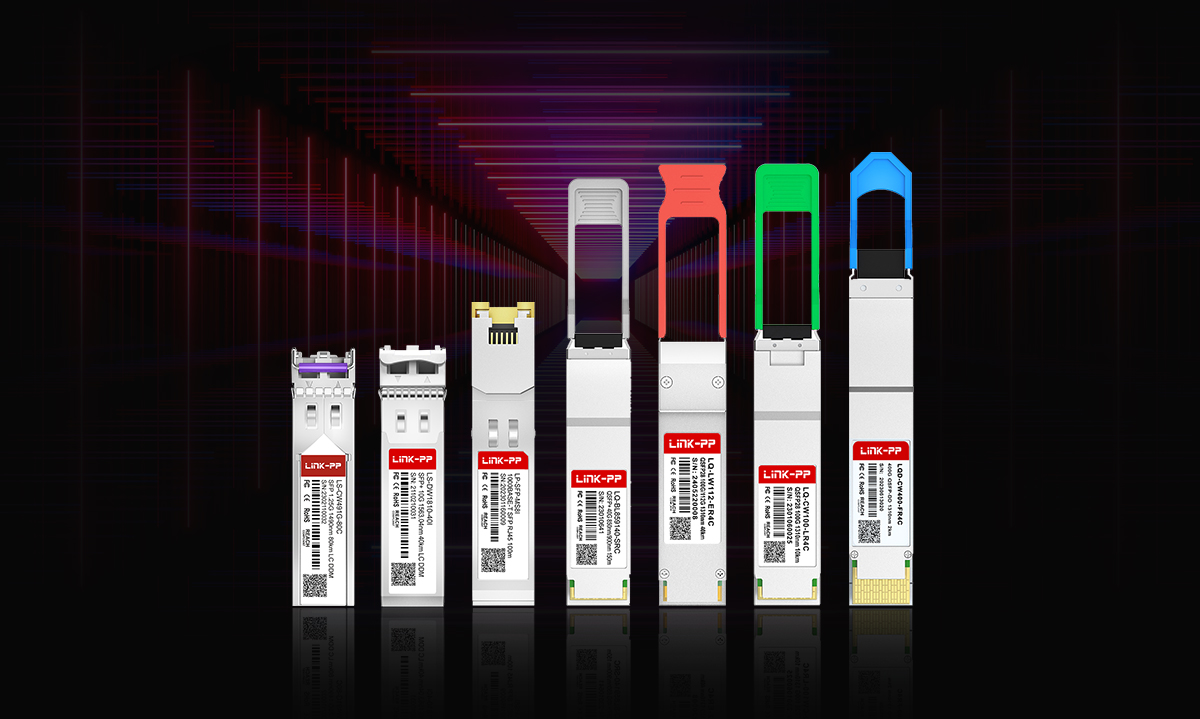
Optical transceivers are indispensable in disaggregated data center networks, acting as the interface that enables high-speed communication over fiber optics. They come in various form factors, such as QSFP, SFP, and CFP, each designed for specific bandwidth and distance requirements. In a disaggregated environment, the choice of transceivers can significantly impact performance, latency, and total cost of ownership.
Why Optical Transceivers Matter in Disaggregation
Interoperability: Open standards like MSA (Multi-Source Agreement) ensure that transceivers from different vendors work together, eliminating compatibility issues.
Performance: Modern transceivers support speeds from 10G to 400G and beyond, catering to bandwidth-intensive applications. For example, high-performance optical modules are essential for AI workloads that require low-latency data exchange.
Cost-Effectiveness: By avoiding vendor-specific markups, businesses can save substantially on transceiver investments. This is where brands like LINK-PP shine, offering reliable, compliant transceivers at competitive prices.
Introducing LINK-PP Optical Transceivers
As a leader in open optics, LINK-PP provides a range of transceivers that exemplify the benefits of disaggregation. One standout model is the LINK-PP QSFP28-100G-SR4, a high-speed transceiver designed for data center applications. Key features include:
Speed: Supports 100G Ethernet over multimode fiber, ideal for top-of-rack switching and spine-leaf architectures.
Compliance: Adheres to industry standards like IEEE 802.3bm, ensuring seamless integration with major switch vendors.
Reliability: Built with advanced optics for low power consumption and high durability, reducing operational costs.
By incorporating LINK-PP optical transceivers into your network, you can achieve superior optical networking performance while maintaining flexibility.
Best Practices for Deploying Optical Transceivers
Assess Compatibility: Always verify that transceivers match your switch and cable specifications to avoid performance issues.
Monitor Performance: Use network management tools to track metrics like signal strength and error rates, ensuring optimal data center optical efficiency.
Plan for Upgrades: As technology evolves, consider future-proof options like 400G-ready modules to support growing demands.
📝 Overcoming Challenges in Disaggregation
While disaggregation offers immense benefits, it's not without challenges. Common hurdles include:
Integration Complexity: Mixing components from multiple vendors can lead to compatibility issues if not properly managed.
Skill Gaps: Teams may need training to handle diverse systems effectively.
Support Fragmentation: Dealing with multiple vendors for support requires robust service-level agreements.
However, these can be mitigated through:
Standardized Protocols: Adopt open standards like OpenConfig for consistent management.
Partner Ecosystems: Work with trusted providers like LINK-PP for reliable components and support.
Automation Tools: Implement SDN controllers to streamline operations and reduce manual errors.
By addressing these aspects, organizations can fully leverage disaggregation to enhance network scalability and performance, making their data centers more adaptive to changing demands.
📝 Conclusion: Embrace Disaggregation for Future-Ready Networks
Disaggregation, powered by open optics, is revolutionizing data center networks by delivering cost savings, flexibility, and scalability. As we've seen, optical transceivers play a pivotal role in this transformation, with solutions like the LINK-PP QSFP28-100G-SR4 (LQ-M85100-SR4C) enabling seamless integration and high performance. By adopting this approach, businesses can stay ahead in an era of rapid digitalization, optimizing their infrastructure for AI, cloud, and beyond.
If you're looking to upgrade your data center, consider the benefits of open optics and disaggregation—and explore how LINK-PP products can support your goals. For more insights on data center network optimization, check out our related posts or contact experts in the field. Remember, a disaggregated network isn't just a trend; it's a strategic investment in efficiency and innovation.
📝 FAQ
What is the main benefit of open optics for your data center?
You can mix equipment from different vendors. This gives you more choices. You save money and upgrade faster. You avoid vendor lock-in.
How do you start using disaggregated networks?
You pick hardware and software that follow open standards. You test new devices in small parts of your network. You add new parts step by step.
Can you upgrade only one part of your network?
Yes. You can swap out old hardware or update software without changing everything. This helps you save money and keep your network running.
Do open optics make your network harder to manage?
You may need new skills to handle different devices. You can use network management tools and automation to make your job easier.
Are open optics safe for your data center?
Open optics use common standards. You test new equipment before adding it. You work with trusted vendors. This helps you keep your network safe.