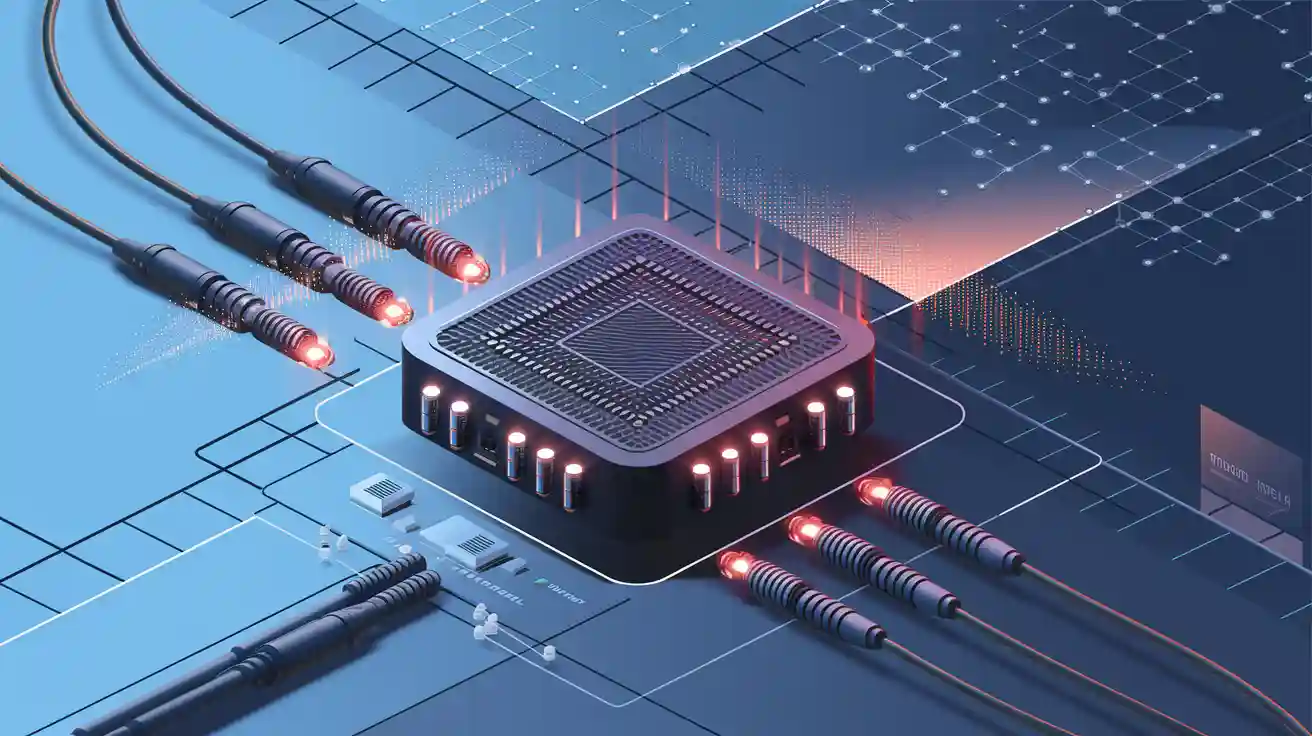

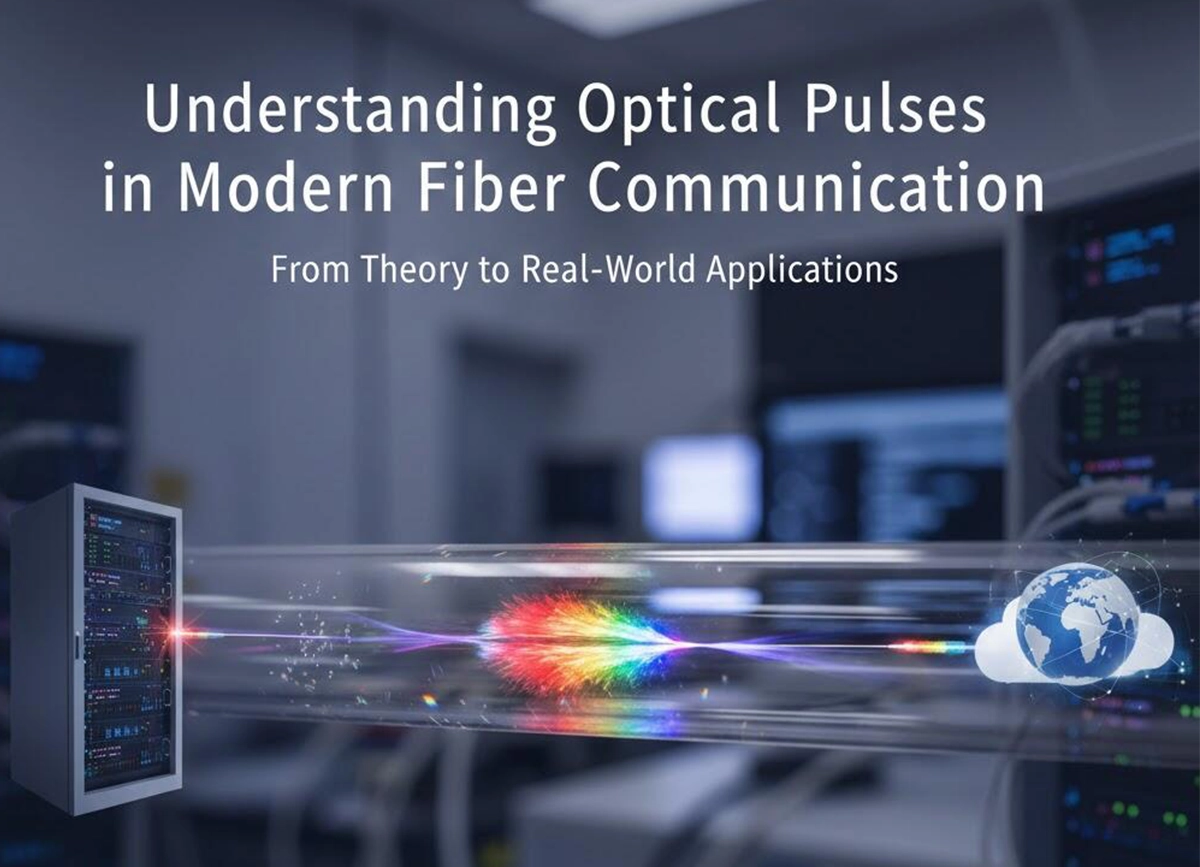
In fiber-optic communication, the optical pulse is the essential unit that carries digital information across optical fibers. These precisely shaped bursts of light represent binary data and allow modern networks to reach multi-gigabit and even terabit-level speeds. Understanding the behavior, generation, and transmission characteristics of optical pulses is crucial for designing dependable fiber networks and selecting the correct optical transceiver.
High-quality optical transceiver modules—such as LINK-PP Optical Transceivers —are engineered to deliver stable, low-jitter optical pulses, enabling stronger signal integrity and lower bit error rates across demanding network environments.
✅ What Is an Optical Pulse?
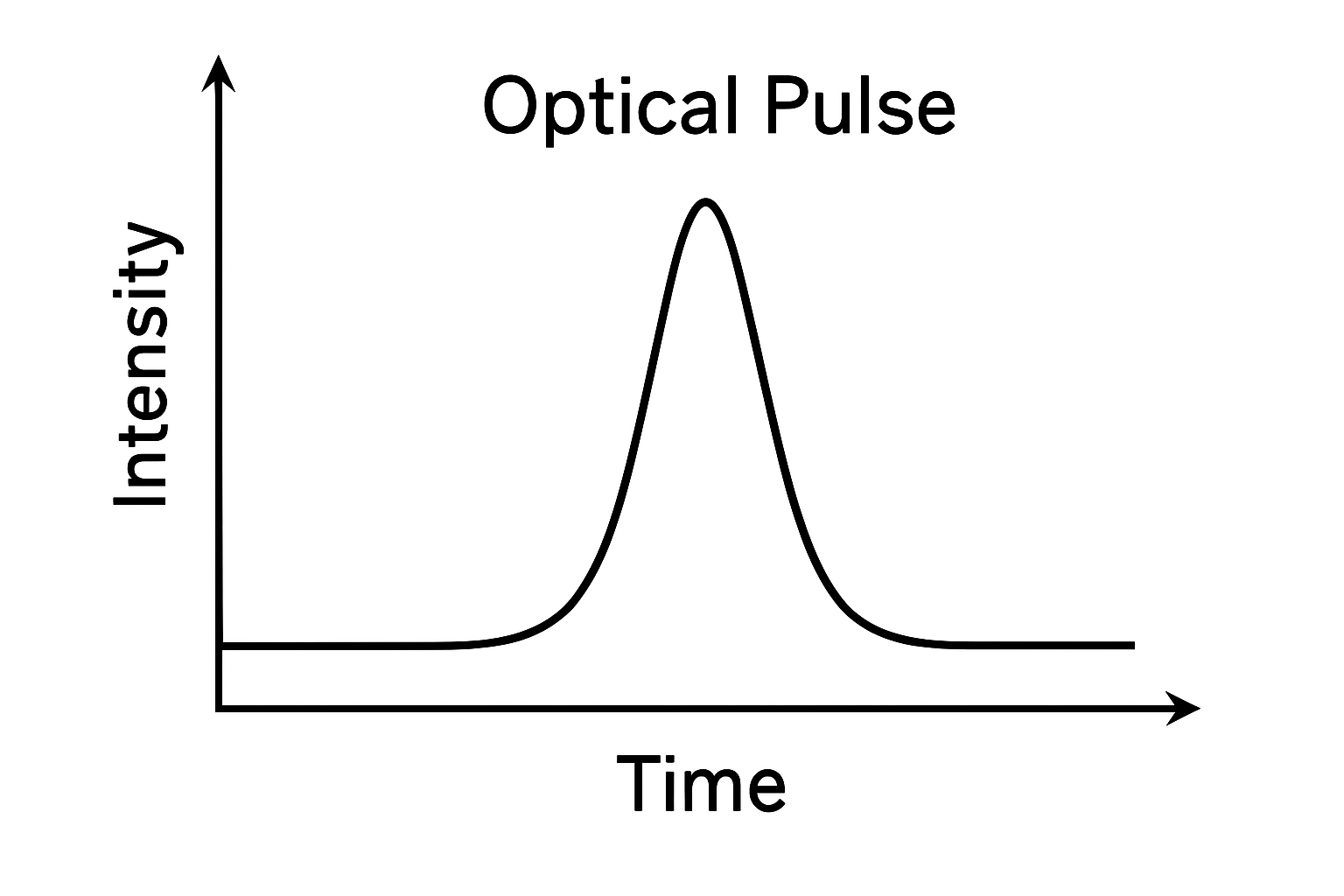
An optical pulse is a short, controlled burst of optical energy generated by a laser or LED inside a fiber transceiver. In digital fiber communication, binary data is represented by the presence or absence of these pulses:
Pulse present → “1”
No pulse → “0”
Because these pulses can be modulated at extremely high speeds—down to the nanosecond or picosecond—they support high-performance network standards such as 10G/25G/40G/100G/400G Ethernet.
✅ How Optical Pulses Are Generated in Optical Transceivers
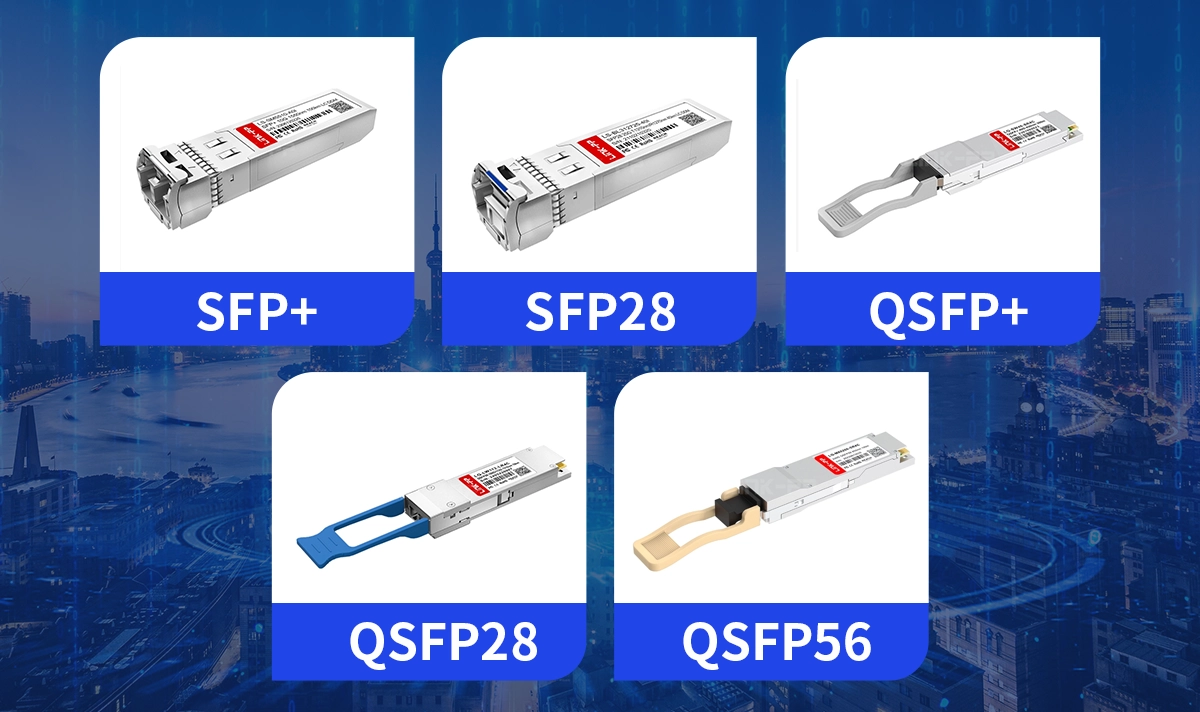
Inside optical modules such as SFP, SFP+, QSFP+, or QSFP28, the transmitter section produces the light pulses through several coordinated components.
▷ Laser Source
Technologies such as DFB, EML, and VCSEL lasers convert electrical modulation signals into coherent optical energy. The laser type affects wavelength stability, modulation rate, and noise performance.
▷ Modulation Circuit
Shapes each pulse, controlling rise time, fall time, width, and timing. Proper shaping ensures minimal inter-symbol interference and distortion.
▷ Driver IC
Regulates pulse amplitude and extinction ratio, ensuring strong, clearly defined pulses capable of traveling long distances through optical fiber.
LINK-PP modules utilize highly stable laser drivers and optimized modulation circuits, producing clean optical pulses with reduced jitter for improved network reliability.
✅ Why Optical Pulse Quality Matters
Fiber communication performance depends directly on the clarity and consistency of the optical pulses traveling through the fiber. As transmission speeds increase, even minor pulse distortion can significantly affect signal integrity.
Critical Pulse Quality Factors
Rise and fall time accuracy
Timing jitter stability
Extinction ratio performance
Common Pulse Distortions
Dispersion, which broadens the pulse over distance
Attenuation, reducing pulse amplitude
Electrical noise from the transmitter circuitry
High-quality optical transceivers help maintain tighter pulse control, minimizing distortion and improving long-distance accuracy.
✅ How Optical Pulses Travel Through Fiber
Once transmitted, optical pulses propagate through the fiber and interact with the physical properties of the medium that may alter their shape.
1. Chromatic Dispersion
Different wavelengths inside the pulse travel at different speeds, causing waveform spreading.
2. Attenuation
Pulse amplitude diminishes over long fiber spans, connectors, and splices.
3. Nonlinear Effects
At high power levels, nonlinear optical effects may distort pulse shape and timing.
Consistent launch power, accurate wavelength control, and strong receiver sensitivity are required for stable transmission—capabilities delivered by LINK-PP optical modules.
✅ How Receivers Detect Optical Pulses
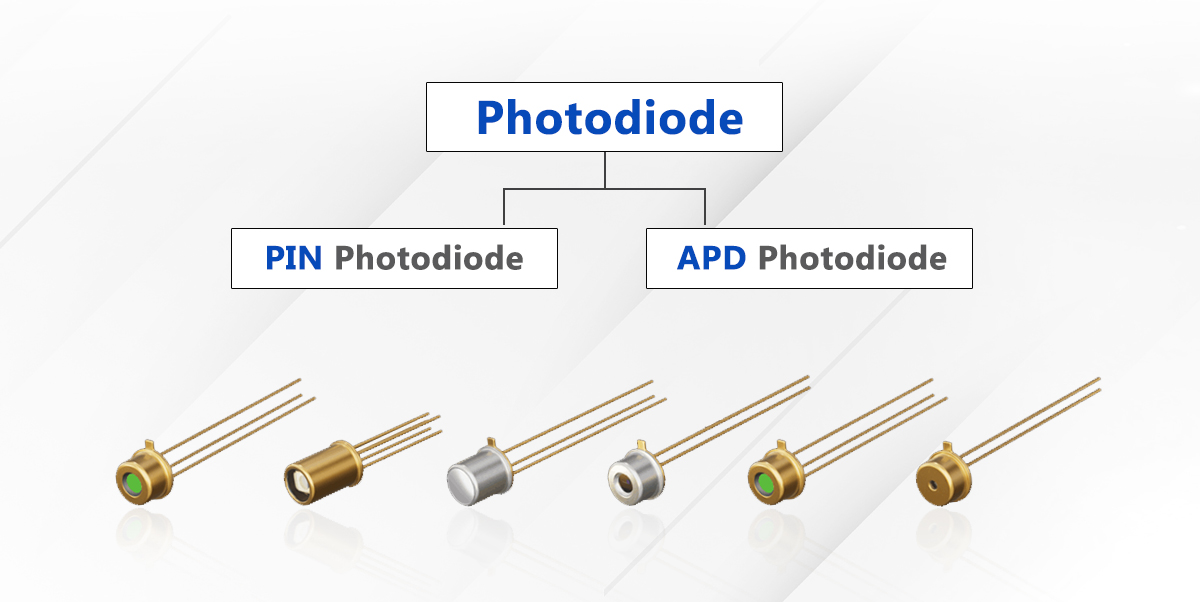
At the receiving end, a photodiode—typically PIN or APD—converts the incoming optical pulses into electrical signals that can be processed by downstream circuitry.
Receiver Responsibilities
Detect light intensity variations
Convert pulses into electrical voltage
Reconstruct digital data patterns
Minimize bit errors through filtering and timing recovery
LINK-PP receivers provide high sensitivity and low noise performance, ensuring accurate pulse detection even under low-power or long-distance conditions.
✅ Applications of Optical Pulses in Modern Networks
Optical pulses serve as the foundation for nearly all high-performance communication systems.
● Data Centers
High-speed SR/LR links rely on precisely shaped pulses from VCSEL and DFB-based modules.
● Telecom & Metro Networks
Long-reach CWDM/DWDM transceivers use narrow, stable pulses for distances up to 80–120 km and beyond.
● Industrial Fiber Networks
Industrial-grade transceivers must maintain pulse integrity across extreme temperatures and harsh environments—areas where LINK-PP products excel.
● Why LINK-PP Optical Transceivers Deliver Superior Pulse Performance
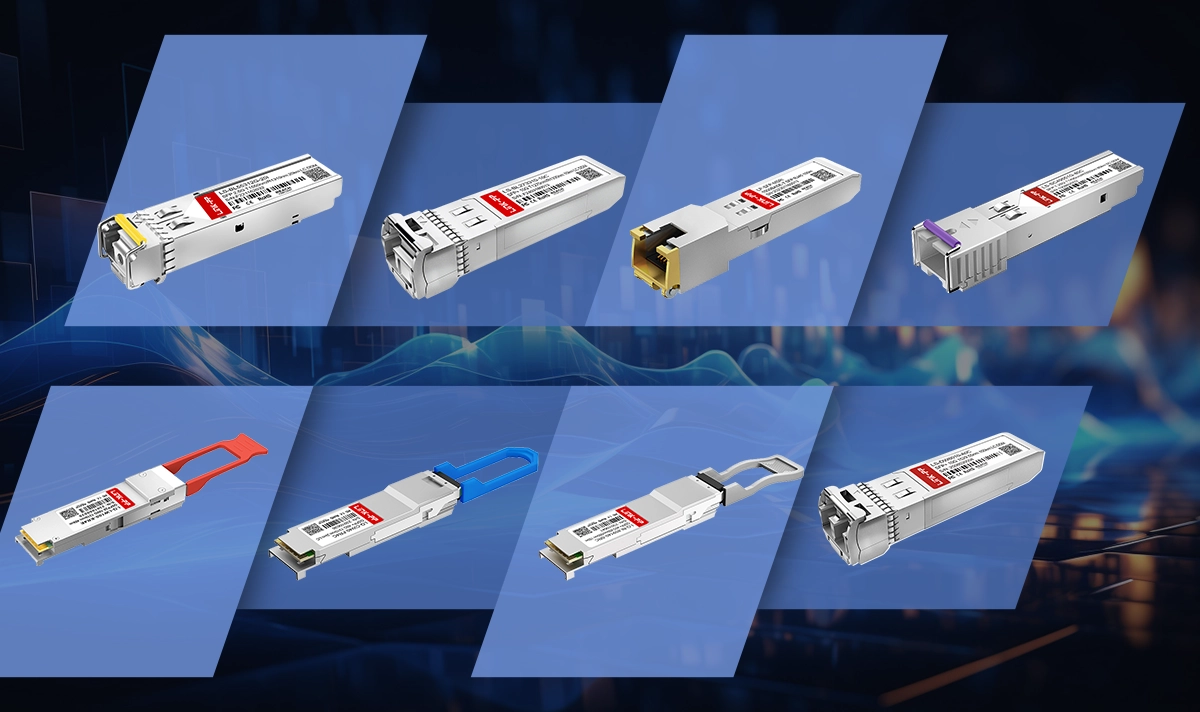
LINK-PP designs its optical transceivers to meet strict IEEE and MSA specifications, ensuring stable and reliable optical pulse generation across all supported data rates.
Key Advantages
Clean, low-jitter optical pulses
Optimized modulation for high-speed transmission
High receiver sensitivity for long-distance applications
Industrial-grade models with wide temperature tolerance
100% OEM compatibility and quality assurance testing
● Conclusion
Optical pulses are the building blocks of modern fiber-optic communication. Their shape, stability, and clarity determine the performance and reliability of network systems. With precisely engineered lasers, stable modulation circuitry, and high-sensitivity receivers, LINK-PP optical transceivers provide high-quality optical pulses that ensure fast, accurate, and dependable data transmission across all network applications.
This foundational technology continues to enable the next generation of high-speed, low-latency communication infrastructure across enterprise, telecom, and industrial environments.