

In today's fast-paced digital landscape, businesses are constantly seeking ways to enhance agility, reduce costs, and drive innovation. At the heart of this transformation lies a critical process: cloud migration. But what exactly is cloud migration, and why has it become a cornerstone of modern IT strategy? This comprehensive guide will demystify cloud migration, explore its benefits, strategies, and best practices, and even delve into the essential hardware, like optical transceivers, that make it all possible. Whether you're an IT leader or a business owner, understanding cloud migration fundamentals is key to staying competitive.
📝 Key Takeaways
Cloud migration helps businesses save money. They only pay for what they use. They do not need to buy expensive hardware.
This process makes things faster and more flexible. It lets people update quickly. They can get to apps and data from anywhere.
Cloud migration makes security better. It uses strong ways to protect data. It helps businesses follow rules.
Picking the right migration strategy is important. Using rehosting or replatforming can make moving to the cloud easier.
Planning and managing cloud migration is very important. It helps stop problems like losing data or having downtime.
📝 Understanding Cloud Migration: The Basics
Cloud migration is the process of moving digital assets—such as data, applications, and IT processes—from on-premises infrastructure to cloud-based environments, or from one cloud to another. This shift enables organizations to leverage the scalability, flexibility, and cost-efficiency of cloud computing platforms like AWS, Azure, or Google Cloud. Think of it as relocating your business operations from a physical office to a virtual, globally accessible space.
Common types of cloud migration include:
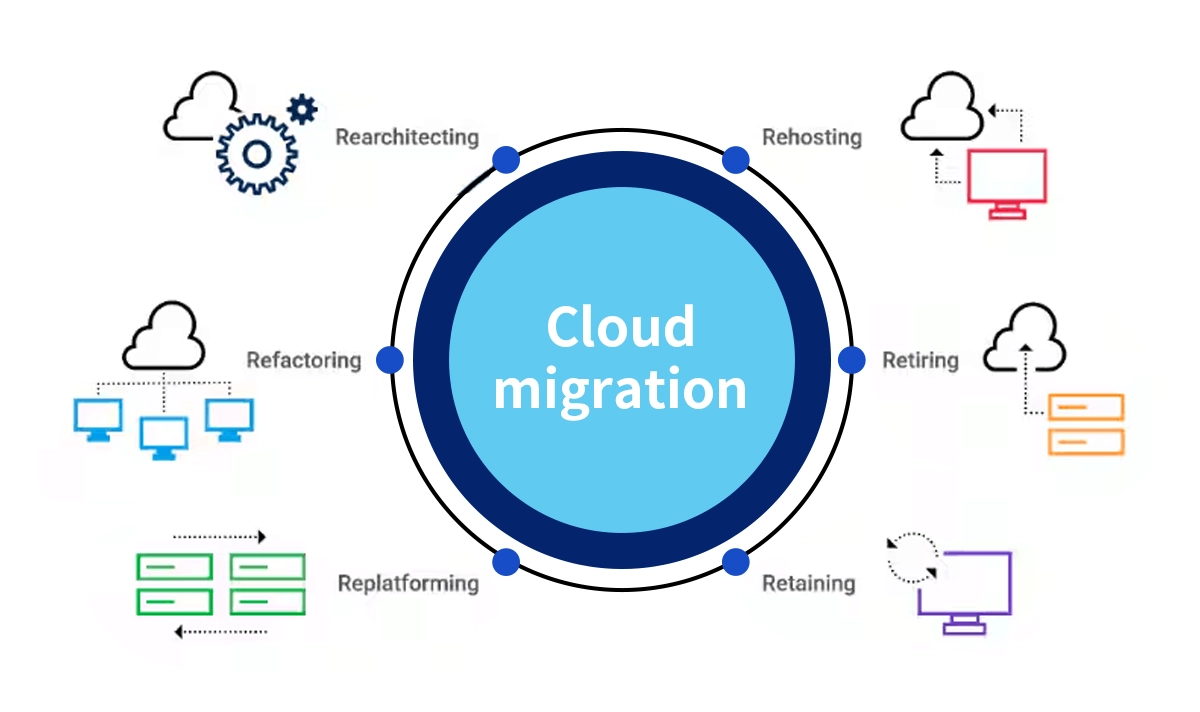
Rehosting (Lift-and-Shift): Moving applications without modification.
Replatforming (Lift-Tinker-and-Shift): Making minor optimizations for the cloud.
Refactoring (Re-architecting): Redesigning applications to be cloud-native.
Repurchasing: Switching to cloud-based SaaS products.
According to industry trends, over 90% of enterprises have adopted a multi-cloud strategy, highlighting the importance of a well-planned cloud migration roadmap.
📝 Why Migrate to the Cloud? Key Drivers and Benefits
Organizations embark on cloud migration journeys for a variety of reasons. Beyond the obvious cost savings, the benefits align with long-term business growth and digital transformation goals. Here are some of the top advantages:
Scalability and Flexibility: Easily scale resources up or down based on demand, avoiding over-provisioning.
Cost Efficiency: Shift from capital expenditure (CapEx) to operational expenditure (OpEx) with pay-as-you-go models.
Enhanced Security: Cloud providers offer robust security features, including encryption and compliance certifications.
Improved Performance and Availability: Access to global data centers ensures low latency and high uptime.
Innovation Acceleration: Leverage advanced technologies like AI and big data analytics without heavy upfront investment.
For businesses researching cloud migration benefits for SMEs, this approach levels the playing field, allowing smaller firms to compete with larger enterprises. A seamless migration can also support hybrid cloud strategies, which combine on-prem and cloud resources for optimal flexibility.

📝 Common Cloud Migration Strategies: Choosing the Right Path
Selecting the appropriate migration strategy is crucial for success. Each approach has its pros and cons, depending on factors like application complexity, budget, and timeline. Below is a table summarizing the most popular strategies to help you decide.
Migration Strategy | Description | Best Use Cases | Key Considerations |
|---|---|---|---|
Rehosting | Moving applications as-is to the cloud. | Legacy apps, quick migrations. | Fast but may not optimize cloud benefits. |
Replatforming | Making minor adjustments (e.g., OS updates). | Apps needing slight optimization for cost savings. | Balances speed and cloud efficiency. |
Refactoring | Re-architecting apps to be cloud-native. | Mission-critical apps requiring scalability. | High cost and effort, but maximizes cloud ROI. |
Repurchasing | Switching to a cloud-based SaaS solution. | Common functions like CRM or email. | Reduces maintenance but may involve vendor lock-in. |
Retiring | Decommissioning unused applications. | Redundant systems. | Cuts costs and simplifies the IT landscape. |
When planning your move, it's essential to assess your portfolio and consider cloud migration best practices to avoid common pitfalls like unexpected costs or downtime.
📝 The Cloud Migration Process: A Step-by-Step Overview
A successful migration follows a structured approach. Here’s a simplified breakdown:
Assessment and Planning: Evaluate existing infrastructure, identify workloads to migrate, and set goals. Tools like AWS Migration Hub can assist.
Design and Proof of Concept: Create a cloud architecture blueprint and test with a pilot migration.
Data Migration and Application Transfer: Move data and apps using secure methods. This phase often involves data migration to cloud security measures to protect sensitive information.
Testing and Optimization: Validate performance, security, and functionality post-migration.
Go-Live and Monitoring: Cut over to the cloud and continuously monitor for issues.
Throughout this process, adopting a cloud-first mindset ensures that teams are aligned for a smooth transition.
📝 The Role of Optical Modules in Cloud Migration
When discussing cloud migration, we often focus on software and services, but the underlying hardware is equally vital. Optical modules play a critical role in enabling high-speed, reliable data transfer between on-premises data centers and cloud environments. These small devices convert electrical signals into light waves for transmission over fiber optic cables, supporting the massive bandwidth demands of modern cloud infrastructures.
During migration, especially in scenarios involving large-scale data transfers or hybrid cloud setups, robust networking hardware is essential to minimize latency and prevent bottlenecks. For instance, in data center interconnects (DCI), high-performance optical modules ensure that data moves seamlessly, supporting real-time applications and storage replication.
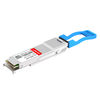
This is where quality components make a difference. LINK-PP, a trusted name in networking solutions, offers reliable optical modules designed for high-density, high-speed environments. A popular model, such as the LINK-PP SFP28-25G-LR, provides 25G connectivity over long distances, making it ideal for enterprises undergoing cloud migration. By integrating LINK-PP modules into your network infrastructure, you can enhance data integrity and support scalable cloud networking requirements, ensuring that your migration doesn’t compromise on performance.
📝 Challenges and How to Overcome Them
Despite its benefits, cloud migration isn’t without challenges. Common issues include:
Security and Compliance Risks: Address these by implementing encryption and choosing compliant cloud providers.
Cost Overruns: Use cost management tools and follow a detailed cloud migration cost optimization plan.
Downtime and Data Loss: Plan phased migrations and employ robust backup solutions.
Skill Gaps: Invest in training or partner with experts to bridge knowledge gaps.
By anticipating these hurdles, businesses can develop mitigation strategies and ensure a smoother transition.
📝 Conclusion: Start Your Cloud Journey with Confidence
Cloud migration is more than a technical shift—it’s a strategic move that can redefine your business’s future. From understanding the core concepts to implementing the right strategies and leveraging hardware like LINK-PP optical transceivers, every step contributes to a successful outcome. As you explore cloud migration services and solutions, remember that preparation and expertise are key.
Ready to embark on your cloud journey? Assess your needs, plan meticulously, and consider partnering with specialists to maximize your ROI. The cloud awaits—embrace its potential today!
📝 FAQ
What is cloud migration?
Cloud migration is when you move your apps, data, and systems from your own servers to a cloud-based infrastructure. You use cloud computing for more flexibility and better performance. This helps you manage your resources in a new way.
What are the main cloud migration benefits?
You save money and get updates faster. Security is stronger with cloud migration. It is easier for your team to work together. Your data is better protected. Your business can grow more easily. Cloud automation helps make your daily work better.
What is a cloud migration strategy?
A cloud migration strategy is your plan to move to the cloud. You pick the best way to move your apps and data. You can use rehosting, replatforming, or hybrid cloud migration. You choose what fits your needs.
What are common cloud migration challenges?
You might lose data or have downtime. Your team may not know new tools. Security risks and spending too much money are also problems. Good planning and the right cloud migration tools help you avoid these issues.
What does the cloud migration process involve?
The cloud migration process has steps like assessment, planning, moving resources, and ongoing management. Cloud migration services help with each step. You keep making your setup better through the cloud transformation process.