
① What Is an EtherCAT Slave Controller (ESC)?
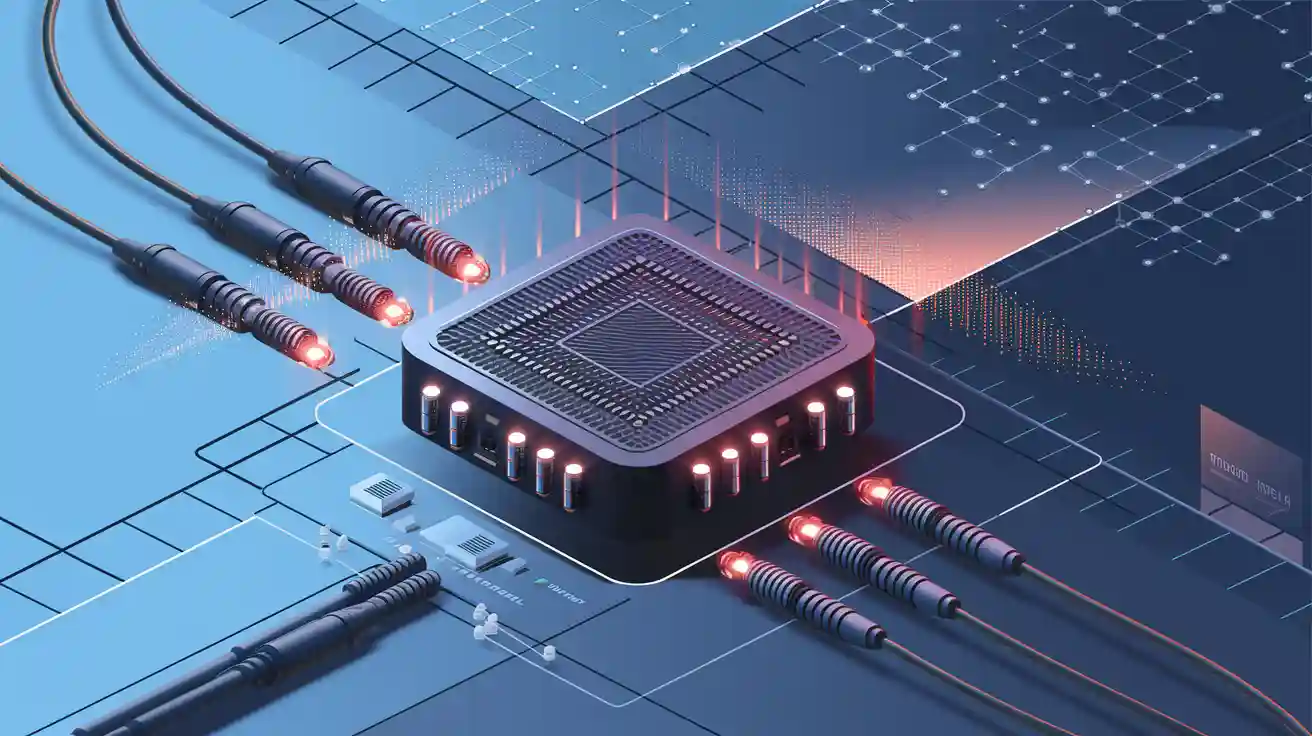
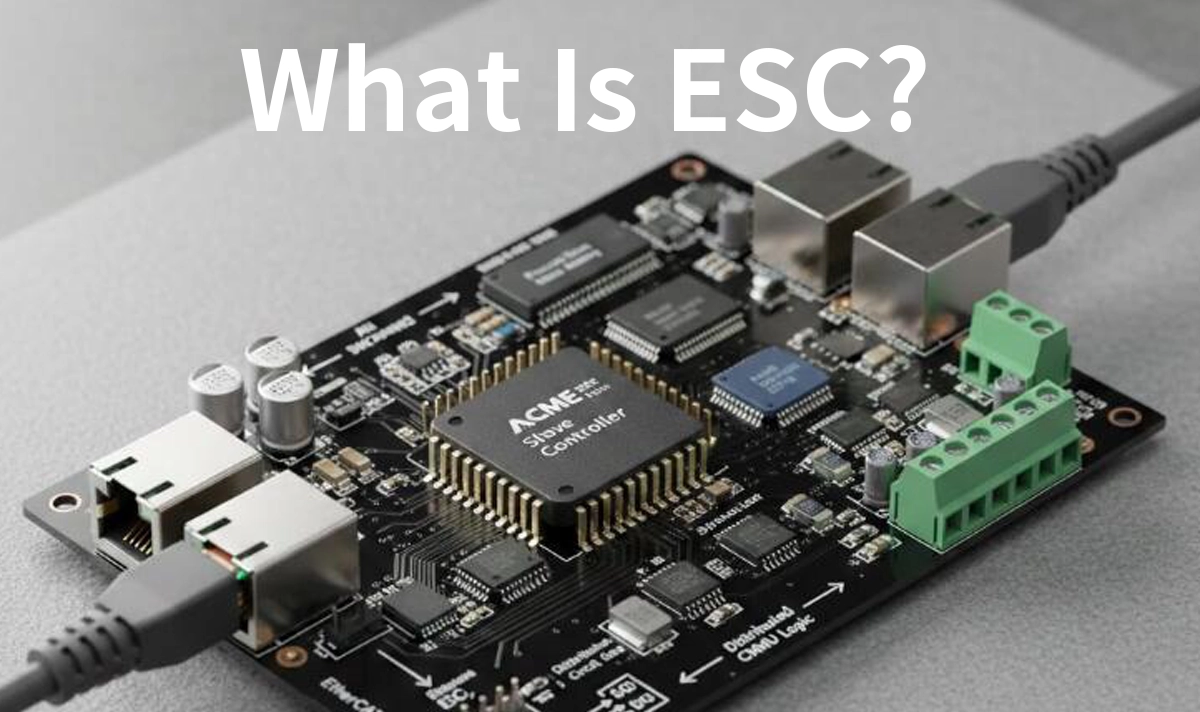
The EtherCAT Slave Controller (ESC) is the core component in any EtherCAT network, responsible for handling communication between a master device and multiple slave devices. ESC manages data exchange, ensures real-time synchronization, and enables high-speed communication crucial for industrial automation.
② Key Functions of an ESC
An ESC performs several essential functions:
● Real-Time Data Processing
ESCs manage cyclic data transfer in microseconds, allowing deterministic communication between devices on the EtherCAT network.
● Memory Management
Using FMMU (Fieldbus Memory Management Unit), the ESC efficiently maps input/output data to device memory, reducing CPU load on the slave device.
● Synchronization
ESC ensures precise timing using Distributed Clocks, making it ideal for robotics, motion control, and factory automation systems.
③ ESC in Industrial Automation
EtherCAT Slave Controllers are widely used in PLC (Programmable Logic Controllers), I/O modules, and drives. Their fast response time and reliability make them suitable for high-speed manufacturing, robotics, and smart factory applications.
④ Connectivity and ESC
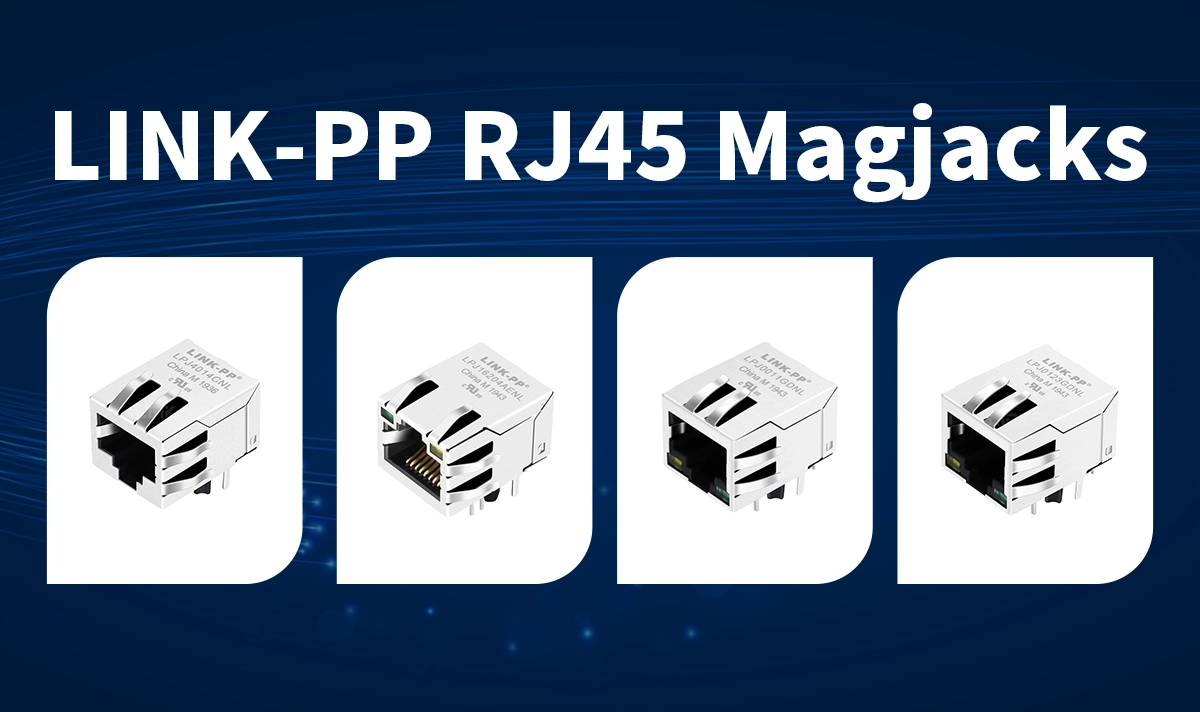
For physical network interfaces, RJ45 connectors play a vital role in connecting ESC-enabled devices to an Ethernet network. LINK-PP offers high-quality Integrated RJ45 Connectors suitable for industrial applications, ensuring stable connections and robust performance.
⑤ Benefits of Using ESC
High-speed communication: Sub-microsecond data cycles
Deterministic performance: Ideal for time-critical applications
Scalable architecture: Easily integrates with multiple devices
Reliable industrial connectivity: Works seamlessly with LINK-PP RJ45 connectors
⑥ Choosing the Right ESC for Your Network
When selecting an ESC, consider:
Maximum number of slave devices
Required I/O data throughput
Network topology (line, star, or tree)
⑦ FAQ About ESC
Can ESC work with standard Ethernet cables?
Yes, ESC uses standard Ethernet media, but industrial-grade cables and connectors, like LINK-PP RJ45 connectors, are recommended for reliability.
What industries benefit most from ESC?
Automation-heavy industries like robotics, automotive manufacturing, and packaging leverage ESC for precise timing and fast data transfer.
How does ESC differ from standard Ethernet controllers?
Unlike standard Ethernet, ESC supports deterministic, real-time communication, critical for industrial control systems.
⑧ Conclusion
The EtherCAT Slave Controller (ESC) is a cornerstone of modern industrial automation, enabling real-time communication and precise synchronization. Integrating high-quality hardware, such as LINK-PP Integrated RJ45 Connectors, ensures reliable connectivity and optimal system performance.